

Michael Phelps’s former Paradise Valley mansion has returned to the market for $6.5 million, nearly eight years after the Olympic swimming legend sold the property and moved into a larger home elsewhere in the Phoenix area.
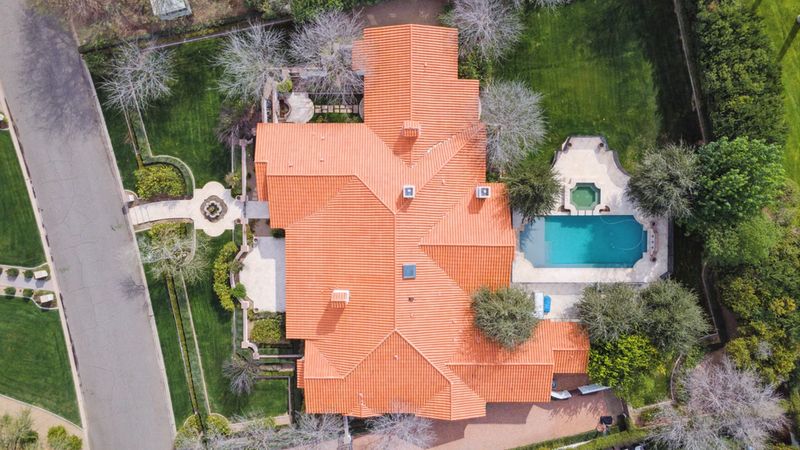
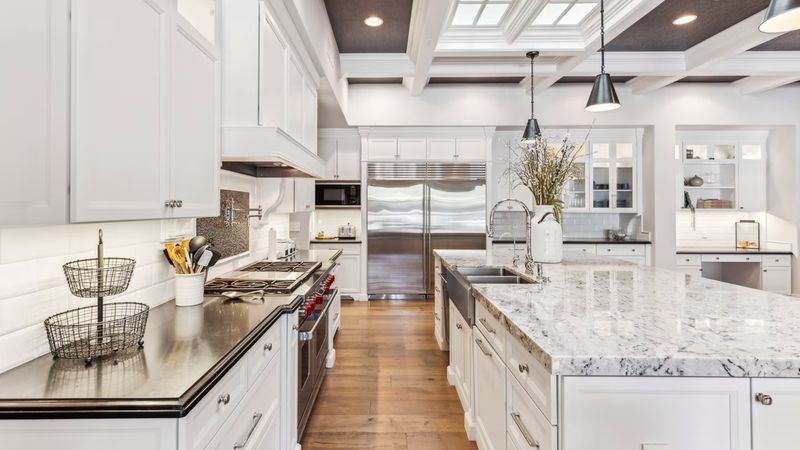
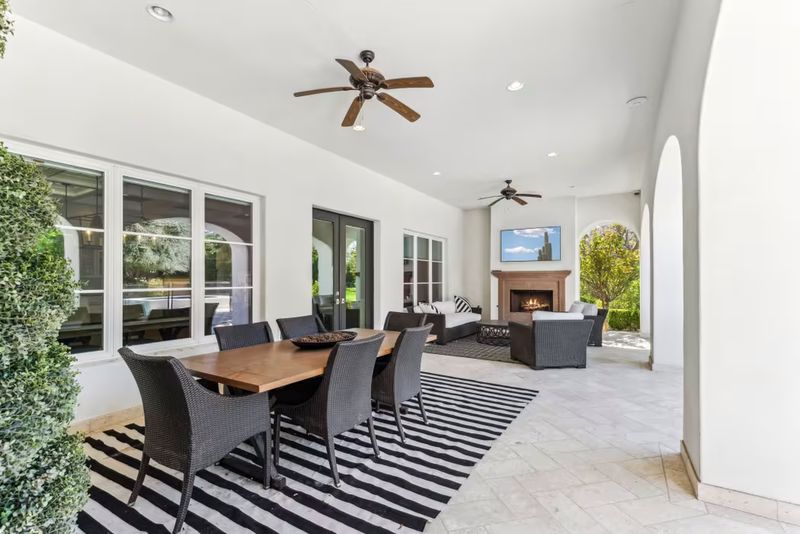
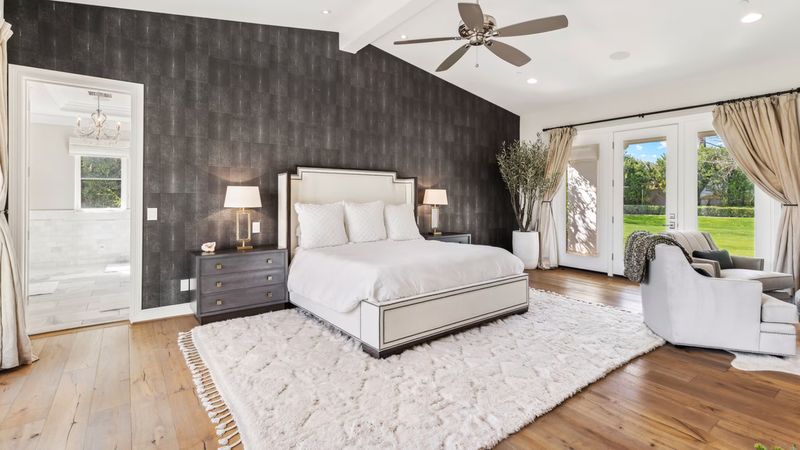
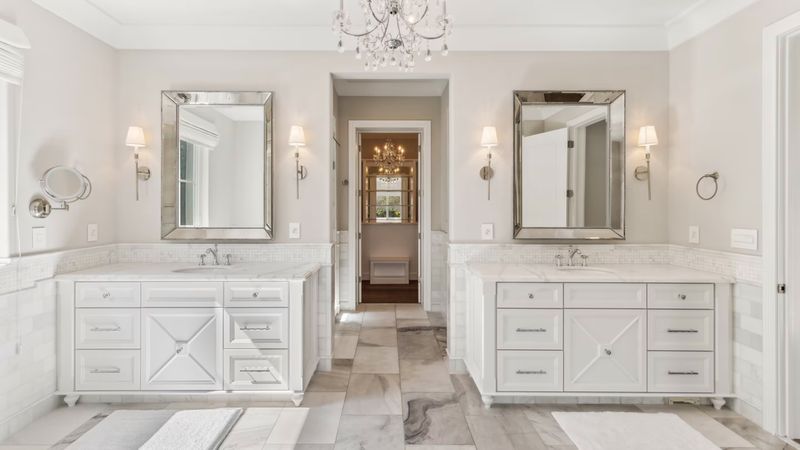
Set on roughly 0.8 acres near Camelback Mountain, the approximately 6,000-square-foot residence combines the relaxed character of a Santa Barbara-style ranch with the amenities expected of a high-end Arizona retreat. The five-bedroom home features vaulted ceilings, imported hardwood floors, limestone fireplaces, a chef’s kitchen, a dedicated office and a resort-style backyard with a pool, spa and mountain views.
For CaliforniaLuxuryHouses readers, however, the property’s appeal goes beyond its celebrity connection. Its transaction history offers an interesting snapshot of how a Paradise Valley luxury home has moved through the market over the past decade—and how dramatically the top end of Arizona real estate has expanded since Phelps first bought the house.
A Paradise Valley Home With a Gold-Medal Past
Phelps acquired the newly built residence in 2015 for approximately $2.537 million through a limited liability company, according to property records reported by Mansion Global. At the time, the Olympic swimmer was establishing his life in Arizona while preparing for the 2016 Rio Games and later contributing to the Arizona State University swimming program.
The home was completed in 2014 and was designed as a single-story residence with a Santa Barbara-inspired aesthetic. Earlier coverage described approximately 6,000 square feet of living space, five bedrooms and six-and-a-half bathrooms, along with European stone, imported hardwood floors and four fireplaces.
The architecture is understated compared with some of the spectacle now associated with Paradise Valley. Instead of a sprawling contemporary compound, the house relies on warm materials and an open floor plan, with broad windows and glass doors establishing a visual connection between the interior and the landscaped grounds.
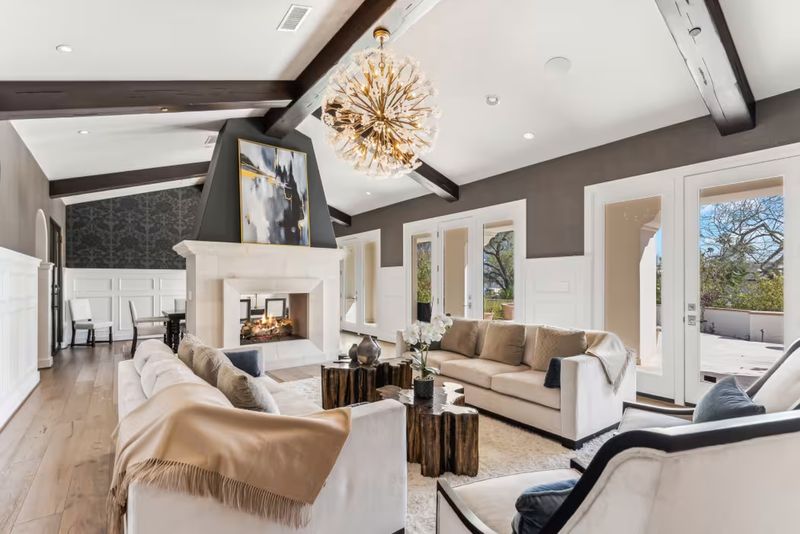
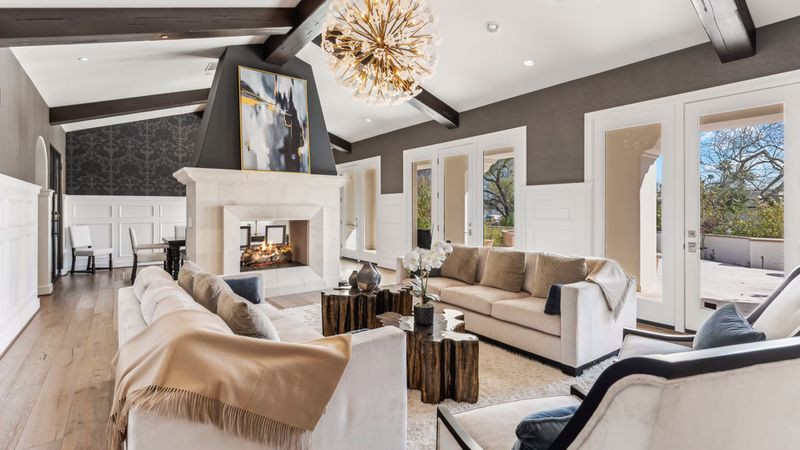
That sense of informality was part of the home’s original appeal. The living and dining areas sit beneath a vaulted ceiling and are separated by a double-sided fireplace, while the kitchen opens toward a family room. Imported French oak flooring, Carrara marble countertops, custom lighting and premium Sub-Zero and Wolf appliances add a more polished layer to the ranch-style architecture. A 350-bottle wine storage area was another notable feature highlighted when Phelps first listed the property.
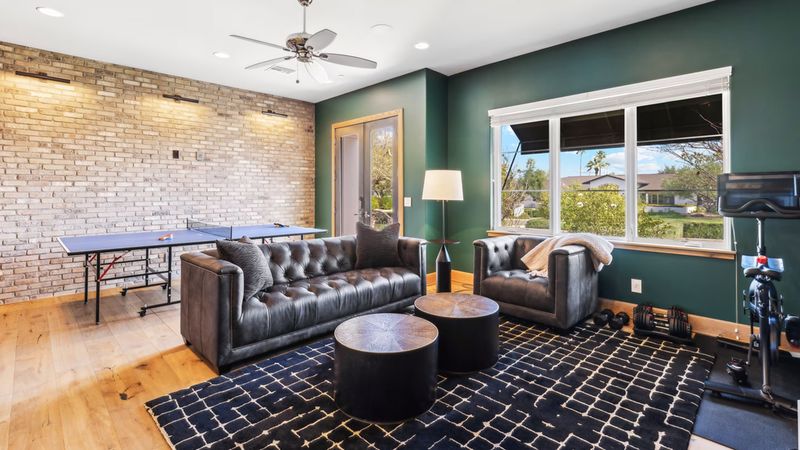
The house also has a dedicated office with glass doors leading outside, making it possible to transition from work to the backyard without passing through the main living areas.
William Lewis of Williams Luxury Homes, the listing agent, described the floor plan as particularly adaptable for families.
“You’ve got a nice open kitchen, you’ve got a kid’s wing and a playroom, you’ve got an office—it’s a great family home,” Lewis said.
That flexibility also gives the residence a second identity: a seasonal escape. As Lewis put it, “Or if you want to come down here, use it for six months, lock it up and go, you can.”
A Resort-Style Backyard Beneath Camelback Mountain
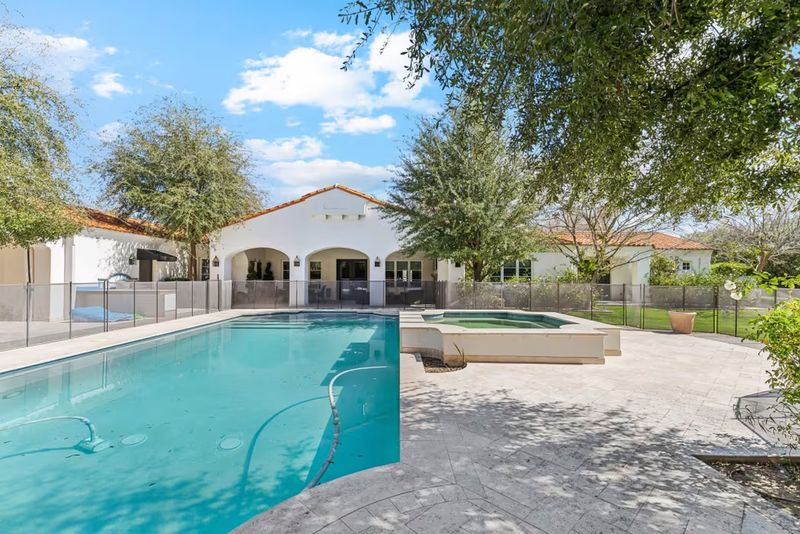
The backyard is where the former Michael Phelps home shifts from comfortable family residence to private desert retreat.
A swimming pool and spa occupy the center of the outdoor setting, with a broad lawn, mature landscaping and fruit trees creating a softer environment around the water. Covered and open-air gathering areas extend the living space outdoors, reinforcing the indoor-outdoor lifestyle that has become a defining feature of luxury homes across the Phoenix metropolitan area.
The mountain backdrop is perhaps the property’s most valuable visual asset. Camelback Mountain rises nearby, giving the residence a dramatic natural reference point without sacrificing the privacy of its gated setting.
The home’s outdoor spaces were already a selling point when Phelps placed the property on the market in 2018. Architectural Digest highlighted the pool, outdoor entertaining area and views of Camelback Mountain alongside the residence’s interior finishes.
For a buyer considering Paradise Valley today, that combination has become even more relevant. The community’s luxury market has matured considerably, with estates now routinely commanding several million dollars and trophy properties pushing far beyond the $10 million mark.
In July 2026, a 20,919-square-foot Paradise Valley estate sold for $40.24 million, setting a new Arizona residential sales record. The transaction surpassed the previous $33.5 million state record, also set in Paradise Valley in 2025.
The Phelps residence is obviously in a different category, but the contrast illustrates how far the upper end of the local market has moved since the Olympian’s original purchase.
The Numbers Behind Michael Phelps’s Former Home
The property’s transaction history makes the current $6.5 million asking price particularly interesting.
Phelps purchased the home for about $2.537 million in 2015. In June 2018, he brought it to market for $4.125 million. The asking price was subsequently reduced to $3.99 million in July and $3.75 million in October before the property went under contract. It ultimately sold for $3.5 million to Nevada-based Allegro Ventures Inc. in November 2018, according to property records and contemporary reporting.
That means the property is now being offered at roughly $3 million more than the price paid by Phelps in 2015 and $3 million above the price achieved in the 2018 sale.
The asking price also reflects the changing context of Paradise Valley luxury real estate. In 2021, Forbes described Paradise Valley as Arizona’s most expensive ZIP Code and noted the community’s growing concentration of affluent residents and luxury development.
The current market is even more dramatic. Recent Paradise Valley transactions have included multimillion-dollar estates with private wellness facilities, entertainment complexes, sports courts and highly customized amenities. A $40.24 million sale in July 2026 established just how high the ceiling has become for the community’s most extraordinary properties.
Against that backdrop, the $6.5 million price positions the former Phelps residence below the area’s trophy-home tier while retaining several of the characteristics buyers associate with Paradise Valley: land, privacy, mountain views, resort-style outdoor living and proximity to Scottsdale.
Why Paradise Valley Continues to Attract Luxury Buyers
One of the property’s greatest strengths may be its location rather than any individual room.
Paradise Valley sits between Phoenix and Scottsdale, placing residents within easy reach of the Valley’s major business, dining and entertainment districts while maintaining a distinctly residential character.
The town is particularly known for its resort and restaurant scene. Official community information highlights dining at Camelback Inn, Montelucia Resort & Spa, Lon’s at the Hermosa Inn, Sanctuary Camelback Mountain, El Chorro and other nearby properties.
That gives residents access to a concentration of upscale dining without requiring a move into the denser commercial environment of central Scottsdale.
Old Town Scottsdale is another major draw. Its restaurants, galleries, boutiques and nightlife are close enough to become part of the regular lifestyle for Paradise Valley homeowners, while Scottsdale Fashion Square provides a broader luxury retail offering.
The broader Phoenix metro area also offers convenient access to major transportation links, including Phoenix Sky Harbor International Airport. For buyers who use Paradise Valley as a seasonal residence, that connectivity can be as important as the home’s architectural features.
Lewis emphasized the distinction between Paradise Valley and its better-known neighbors.
“It’s not Phoenix, it’s not Scottsdale. It’s Paradise Valley, and people really like that,” he said.
The appeal, he added, is partly its central position within the Valley: “You’ve got some of the best restaurants and nightlife and activities in the Valley—you’re just right in the heart of it.”
That positioning helps explain why Paradise Valley continues to command a premium. Buyers can maintain the privacy and acreage associated with a desert estate while remaining close to Scottsdale’s dining, shopping, golf and entertainment offerings.
A Former Olympian’s Home With a New Market Story
When Phelps sold the property in 2018, the sale attracted attention largely because of the buyer’s identity and the swimmer’s short ownership period. Contemporary coverage noted that Phelps and his family subsequently moved into a larger Paradise Valley residence.
The property’s latest listing tells a somewhat different story.
There is no longer a need to sell the home primarily on its celebrity provenance. Instead, its appeal rests on the combination of a proven luxury location, a well-established architectural style, mountain views, an adaptable floor plan and a backyard designed for year-round outdoor living.
The celebrity connection remains an intriguing footnote. Phelps is one of the most decorated athletes in Olympic history, with 23 gold medals, and his years in Arizona became part of his transition from competitive swimming toward family life and coaching. His association with the property gives the house a recognizable chapter in its history, but the residence itself has enough architectural and lifestyle appeal to stand independently.
CaliforniaLuxuryHouses reviewed publicly available property records and historical coverage surrounding the residence but found no basis to suggest that the current owner is seeking publicity or that the home is being marketed primarily because of Phelps’s former ownership. The current listing is therefore best understood as a luxury real estate offering with a notable celebrity provenance rather than a celebrity memorabilia sale.
At $6.5 million, Michael Phelps’s former Paradise Valley mansion is returning to a market that looks very different from the one he entered in 2015. The house remains intimate by today’s Paradise Valley trophy-estate standards, but its 0.8-acre setting, Camelback Mountain views, resort-style pool and carefully finished interiors give it a more livable proposition.
For a buyer looking for a private Arizona residence rather than a 20,000-square-foot entertainment compound, that may ultimately be the property’s strongest selling point: it offers the prestige of Paradise Valley without requiring its next owner to live like a resort developer.