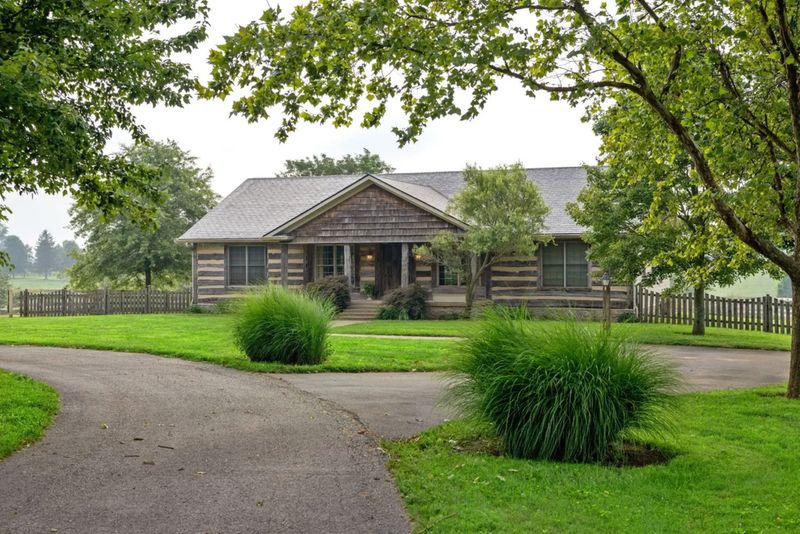
A legendary Kentucky horse farm with more than two centuries of history, a landmark Greek Revival mansion and an extraordinary equestrian infrastructure has returned to the market. Castleton Farm, the storied Lexington estate associated with the late Ryanair co-founder Dr. Tony Ryan, is being offered for $57.5 million.
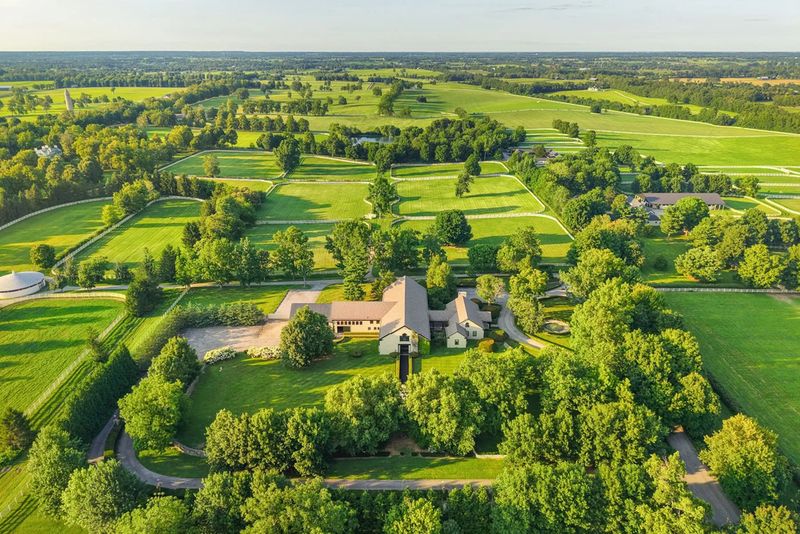
Located at 2469 Iron Works Pike, the 951.68-acre property combines the scale of a working Thoroughbred operation with the character of a historic American estate. The offering includes a circa-1840 Greek Revival mansion measuring approximately 13,500 square feet, 16 barns with 268 stalls and 10 residential homes spread across the expansive grounds.
For a property that has been associated with some of the most important names and horses in Kentucky racing, the listing represents more than another luxury real-estate transaction. Castleton is being presented as a chance to acquire an entire piece of Bluegrass history.
A Kentucky Estate With Roots Dating to 1793
The story of Castleton Farm predates the mansion itself.
The estate was established in 1793, when John Breckinridge, who would later serve as a U.S. senator and U.S. attorney general, acquired thousands of acres near Lexington. The property eventually passed into the Castleman family, and David Castleman is credited with developing the Greek Revival residence that remains one of Castleton’s defining architectural landmarks.
Property records and historical accounts differ slightly on the precise construction date of the mansion, with current real-estate records identifying it as built in 1840. Its Greek Revival character, however, is central to the property’s identity.
By the late 19th century, Castleton had become increasingly important in the Thoroughbred world. Financier James Keene acquired the farm and developed it into a major racing and breeding operation. The property subsequently became associated with celebrated horses and generations of Kentucky horsemen.
That equestrian legacy is still visible throughout the estate today.
Tony Ryan Turned Castleton Into a Personal Legacy
The modern chapter of Castleton began in 2001, when Tony Ryan acquired the farm for $14 million.
Ryan, an Irish businessman and co-founder of Ryanair, brought a distinctly international perspective to the historic Kentucky property. Rather than treating Castleton simply as an investment, he embarked on an extensive restoration and improvement program.
The Ryan family’s stewardship included work on the historic mansion, improvements to the farm’s extensive infrastructure and significant landscape investment. More than 2,000 trees were planted during the family’s ownership, while historic elements of the property were restored.
Ryan died in 2007, after which his son Shane Ryan continued operating Castleton as a breeding farm.
The family connection to Ireland remains part of the property’s identity. Tony Ryan had previously established the Irish estate Lyons Demesne, and Castleton became known as Castleton Lyons during the family’s ownership.
As listing agent Ken Donworth of Bluegrass Sotheby’s International Realty told The Irish Field, “Tony Ryan’s Irish roots and the Ryanair link are helpful to us.”
That connection gives Castleton an unusual international dimension: it is simultaneously a quintessential Kentucky horse farm and part of the story of an Irish entrepreneur who built one of Europe’s best-known airlines.
The Mansion Remains the Heart of Castleton
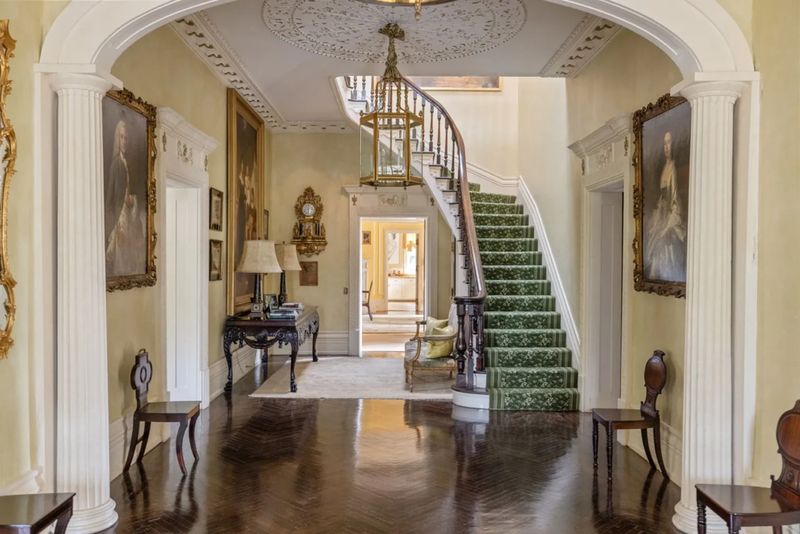
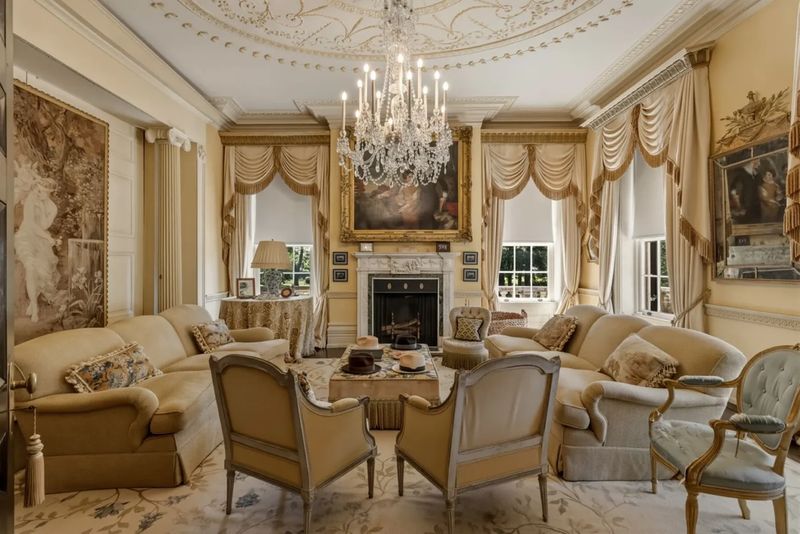
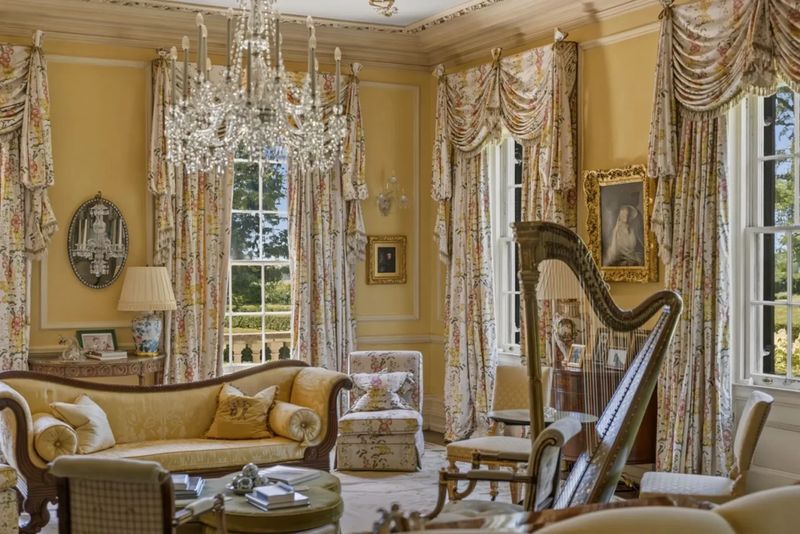
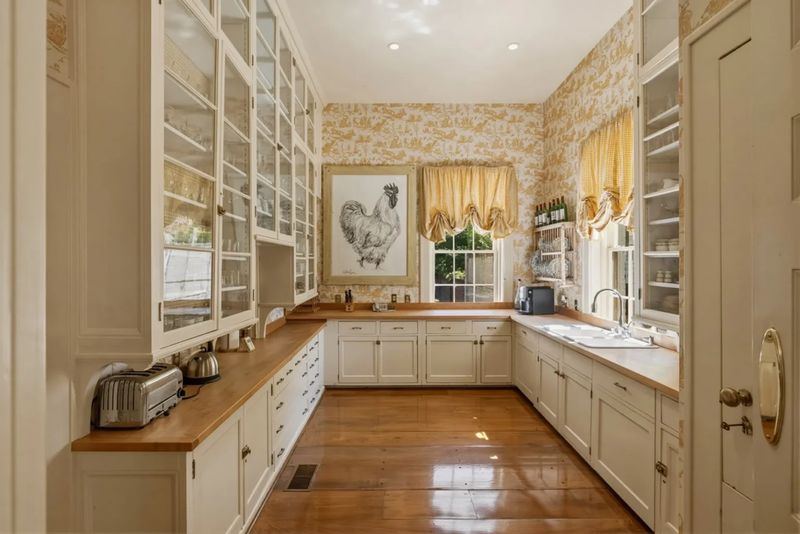
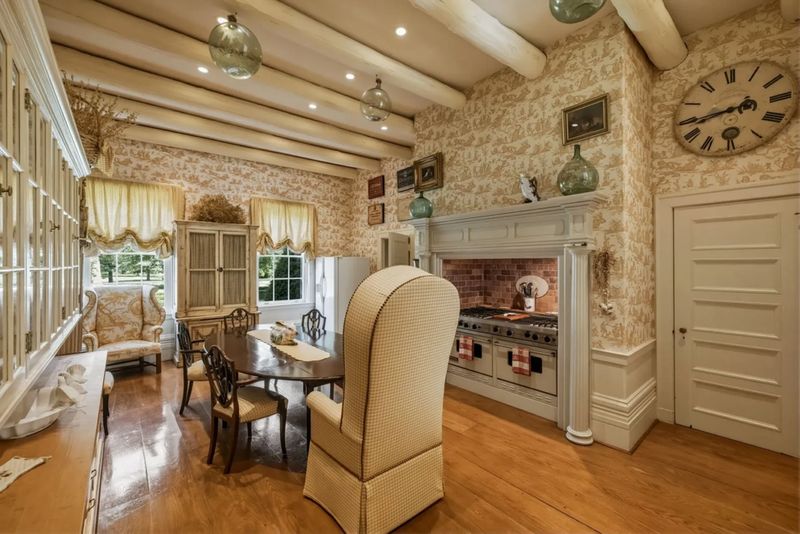
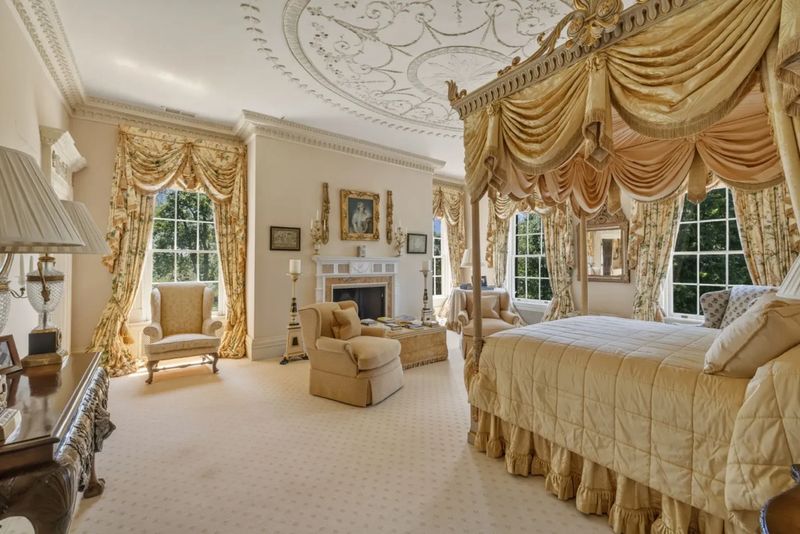
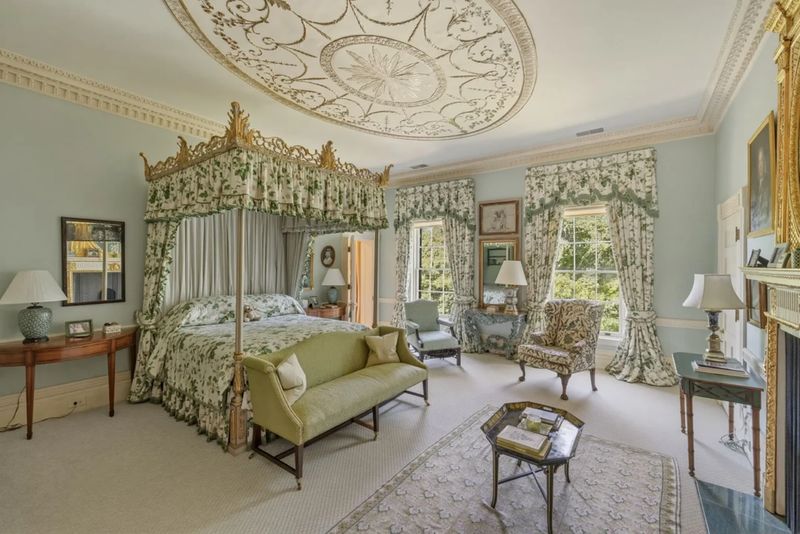
At the center of Castleton Farm stands the approximately 13,500-square-foot Greek Revival mansion.
The historic residence contains seven bedrooms and five full bathrooms plus a half bath, according to current listing information. Its interiors retain the architectural language expected from a property of this age, including ornate millwork, moldings and period details.
Yet the mansion is only one component of an estate designed around equestrian life.
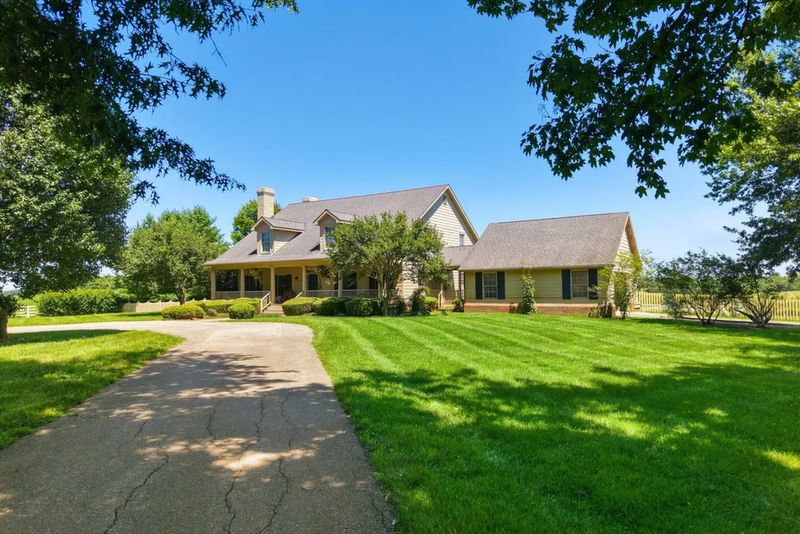
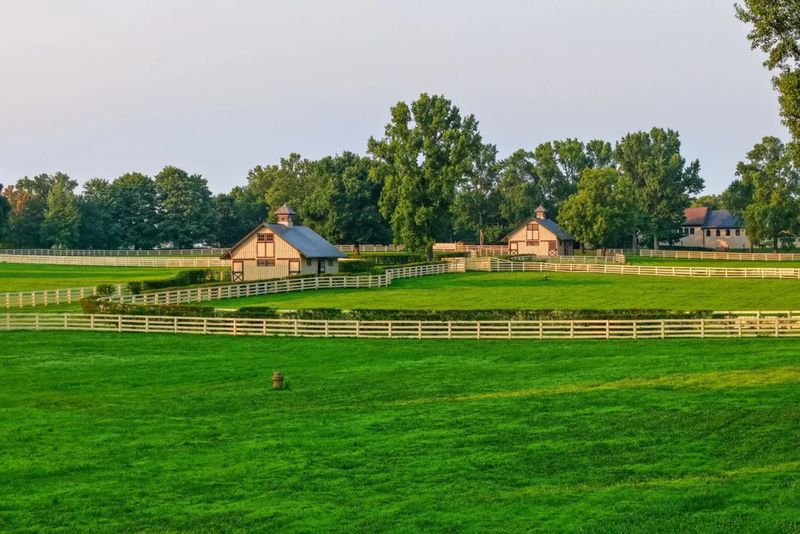
The property includes 16 barns ranging from smaller four-stall facilities to larger structures capable of accommodating 30 horses. In total, the farm provides 268 stalls. Ten residential structures offer accommodation across the grounds, including homes associated with farm management.
The combination of historic architecture and functioning horse infrastructure is one of the characteristics that distinguishes Castleton from a conventional luxury estate.
“It’s a self-sufficient equine operation,” the current listing describes, emphasizing the property’s ability to function as a working farm rather than simply a grand country residence.
More Than 950 Acres of Bluegrass Landscape
The sheer scale of Castleton is difficult to replicate in the central Kentucky market.
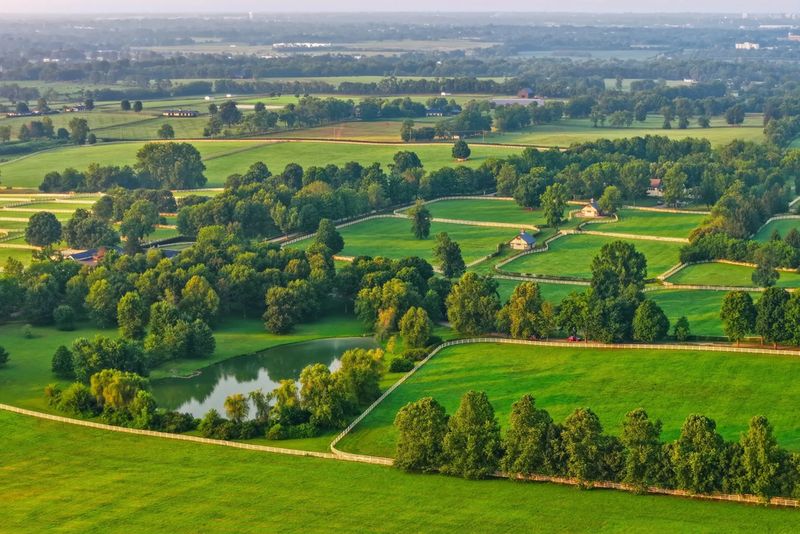
The property encompasses 951.68 acres of rolling Bluegrass countryside, creating an unusually private setting while remaining connected to Lexington’s established equestrian community.
Beyond the mansion and barns, Castleton includes historic drives, mature landscaping, distinctive stonework and architectural landmarks that contribute to its visual identity. Among its best-known features are a stone round tower, ornate gates and a covered bridge.
The estate also contains an equine cemetery, a reminder of the generations of champion horses that have been connected to the property.
For a buyer interested in preserving a working breeding operation, the existing infrastructure offers an unusually substantial foundation. For a collector of historic properties, meanwhile, the land and architecture provide a rare opportunity to acquire an estate whose identity has been shaped over more than 200 years.
Why Castleton Is Coming to Market Now
The decision to sell comes after roughly 25 years of Ryan family ownership.
Shane Ryan has continued the farm’s breeding operation since his father’s death, but recent reports say he has been spending more time in Europe, while the next generation has shown less interest in continuing the family’s horse-breeding tradition.
In a statement reported by The Irish Field, Shane Ryan described the family as “the sixth stewards of this historic farm.”
That language is particularly revealing. Castleton’s sale is being framed less as the end of an ownership story than as a search for its next custodian.
The estate is currently listed for $57.5 million. It is also scheduled to be offered through the invitation-only Keeneland Championship Sale on October 28, creating an unusual dual-track sale strategy.
Donworth explained that the private listing and auction are intended to work together, with qualified buyers able to conduct due diligence while the auction provides a defined point of focus during one of Kentucky’s most important weeks for the Thoroughbred industry.
“The private listing gives qualified buyers time to inspect and perform due diligence,” Donworth said.
A Property Embedded in Lexington’s Equestrian Culture
Castleton’s location adds another layer to its appeal.
Lexington is widely known as the “Horse Capital of the World,” and the property sits within the region’s historic Bluegrass horse-farm landscape. Keeneland, one of America’s most prominent Thoroughbred racing venues, is central to the city’s identity, while the Kentucky Horse Park and numerous established breeding operations reinforce the area’s equestrian culture.
The broader Lexington lifestyle extends well beyond horses. The city has developed a strong culinary scene built around Kentucky agriculture, Southern cooking and farm-to-table dining, while bourbon culture, historic districts and locally focused retail add to its appeal for luxury homeowners.
For private aviation and wider travel, Blue Grass Airport provides commercial air service from the Lexington area, while Interstate 75 offers a major north-south transportation connection nearby.
The result is a location that offers genuine countryside privacy without isolating residents from the services and cultural life of a major regional city.
A Rare Opportunity for the Next Steward
The market for large Kentucky horse farms has attracted increasing attention from wealthy buyers seeking both working agricultural assets and lifestyle estates. Castleton occupies an unusual position within that market because its value is tied not only to acreage and equestrian infrastructure, but also to its architectural and cultural history.
Recent reporting has highlighted the scarcity of large, contiguous properties in the central Bluegrass and growing interest from international buyers. The farm’s scale, historic significance and connection to the Thoroughbred world place it firmly within that broader luxury-land market.
Donworth has described Castleton’s historical value in unusually strong terms, calling it “somewhat priceless” in the context of its architectural and equestrian heritage.
For californialuxuryhouses, Castleton Farm stands out precisely because the $57.5 million asking price represents only one part of its story. The property carries the legacy of generations of horse breeders, an important American architectural landmark, the personal imprint of an Irish aviation entrepreneur and an extraordinary collection of working farm facilities.
Whether its next owner continues breeding horses, preserves it primarily as a private estate or develops a new chapter around the property’s heritage, Castleton arrives on the market with something few luxury properties can claim: a history that was already being written more than two centuries ago.