
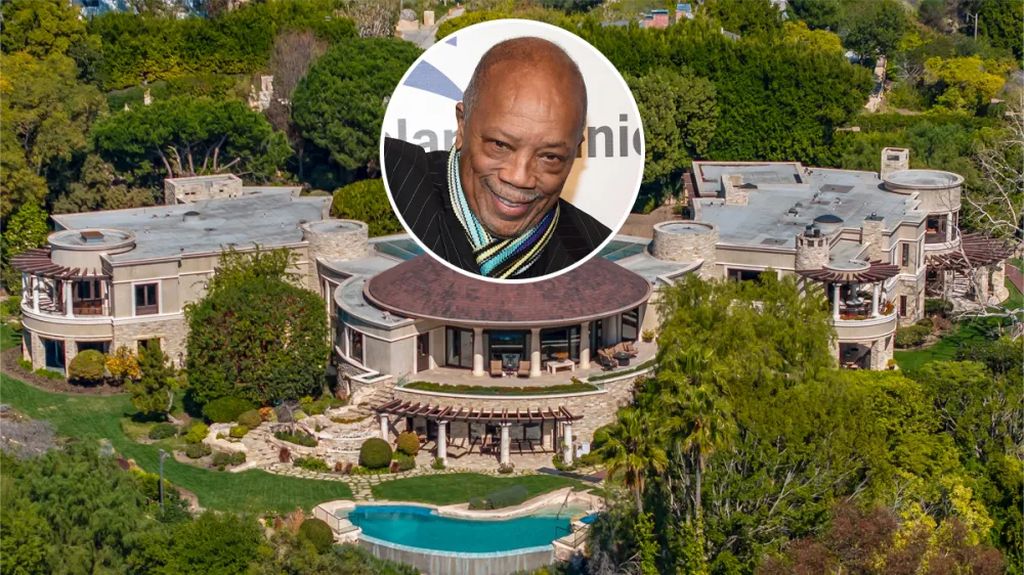
Quincy Jones’s Iconic Bel Air Mansion Hits the Market for $60 Million
In the exclusive hills of Lower Bel Air, a home once owned and cherished by music legend Quincy Jones has just been listed for $60 million. Built in 2002 by architect Gerald “Jerry” Allison, this sprawling estate reflects the larger-than-life vision of a man whose influence shaped the sound of modern music. Jones, a record producer and composer with 28 Grammy Awards, resided here until his passing in 2024, making this property not only an architectural marvel but also a piece of cultural history.
A Legacy Carved into the Hills of Bel Air
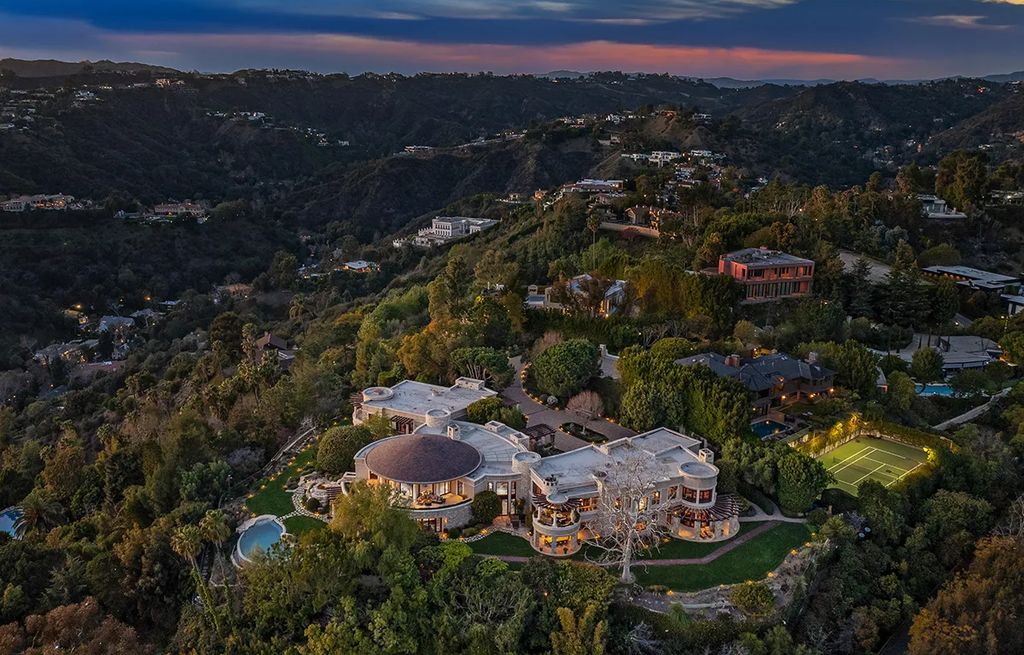
Quincy Jones first acquired the land back in 1972 for just $200,000, long before Bel Air became synonymous with mega-mansions and billion-dollar views. It wasn’t until 2002 that Jones enlisted Allison—best known for his work on luxury hospitality projects including The Palace of the Lost City in South Africa—to design a home that could blend grandeur with intimacy. The result is a residence that spans nearly 25,000 square feet across three wings, designed as both a personal sanctuary and a stage for extraordinary gatherings.
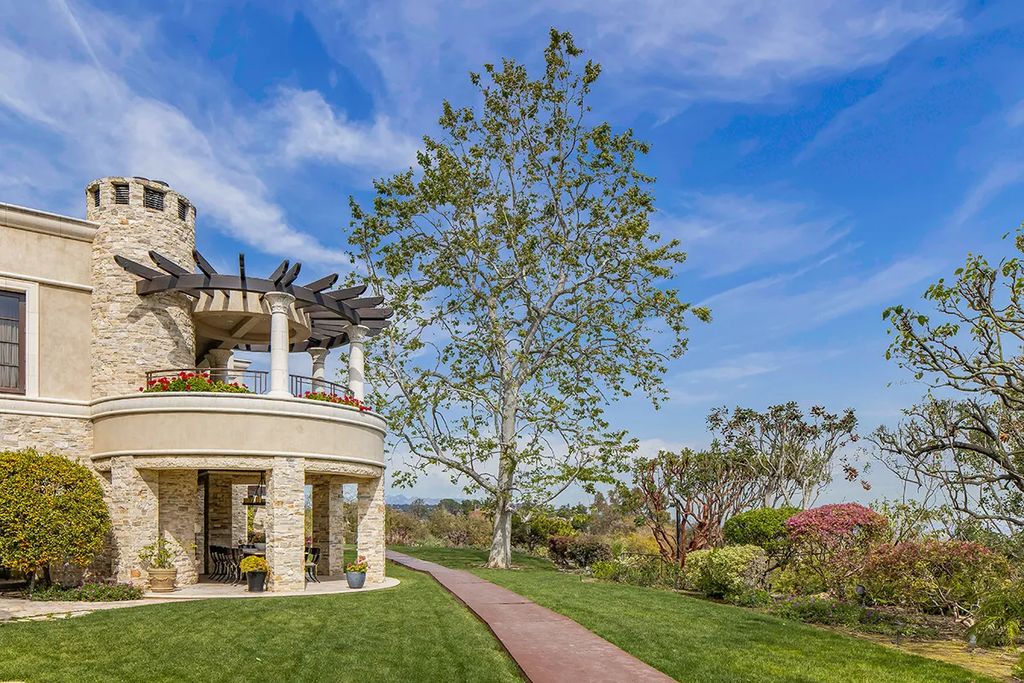
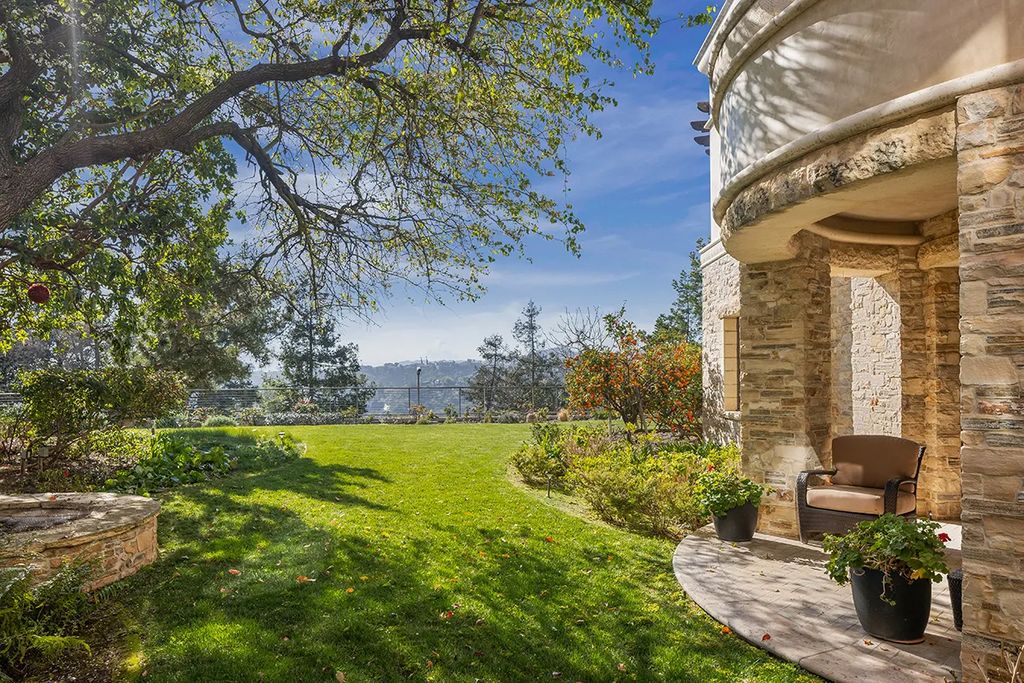
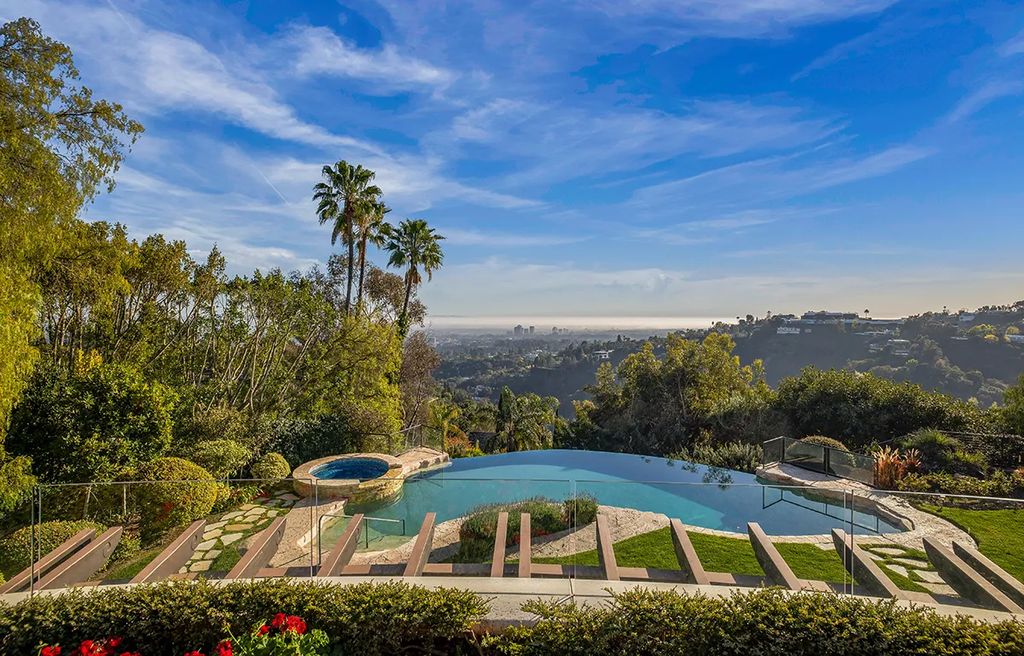
The estate crowns over two acres of gated promontory, offering uninterrupted vistas from the Los Angeles skyline to the San Gabriel Mountains and out to the Pacific Ocean. It is a property that not only mirrors Jones’s artistic imagination but also encapsulates the essence of Bel Air luxury living.
Architectural Grandeur with a Personal Touch
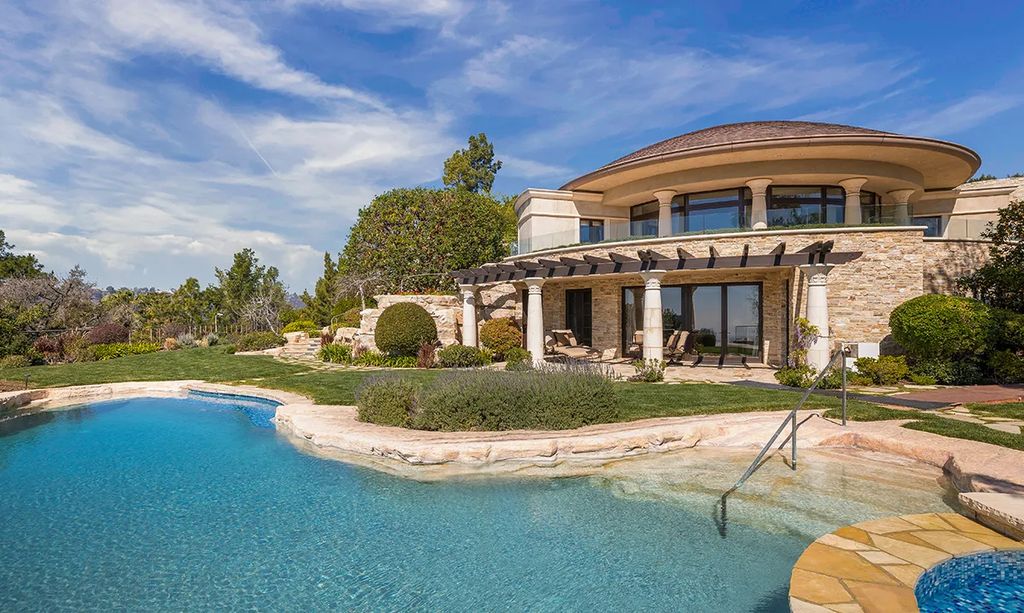
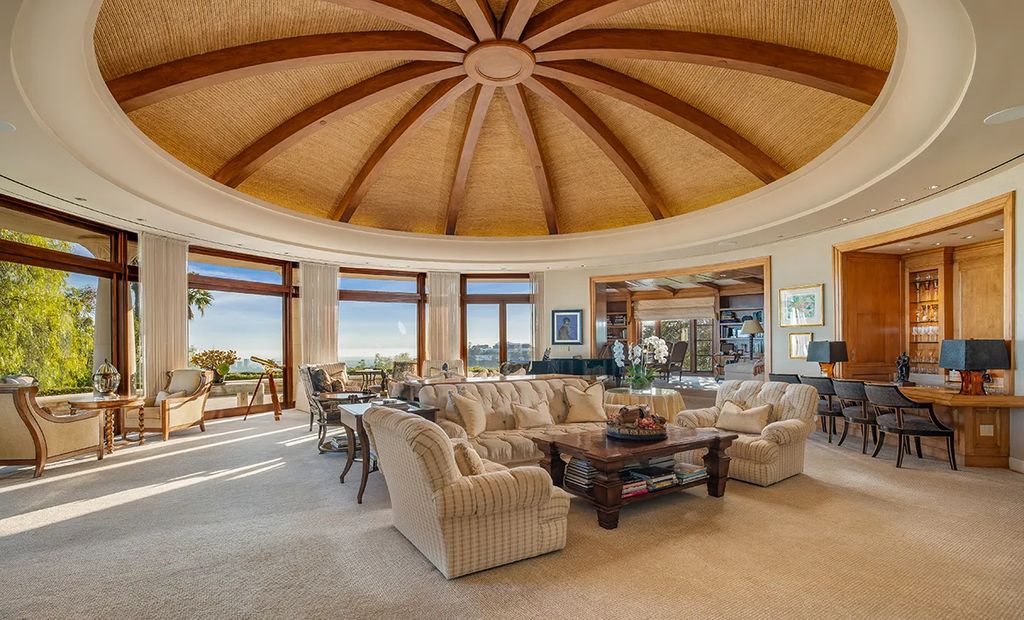
The home’s central wing is anchored by a dramatic domed living room. With floor-to-ceiling windows, a vaulted ceiling, and a seated bar, this space epitomizes Allison’s ability to merge Old World opulence with California’s indoor-outdoor lifestyle. “The house was designed to feel both timeless and cinematic,” Allison once remarked in an interview, a sentiment echoed in the intricate detailing of its stone façade, library nook, and mosaic inlays.
From there, the floor plan unfolds into specialized wings: one dedicated to entertainment and hospitality, and the other to private retreat. The east wing hosts a formal dining room, gourmet kitchen with butler’s pantry, and family room, while the lavish primary suite is a retreat in itself. With a private balcony, dual walk-in closets, spa-style bath, and its own fitness studio, the suite was crafted as Jones’s personal refuge.
The west wing, meanwhile, reflects the essence of his career. It includes three guest suites, a professional recording studio, a private screening room, and even a gallery space for art and memorabilia. This is where music, cinema, and creativity coalesced under one roof.
Entertainment Spaces Made for Legends
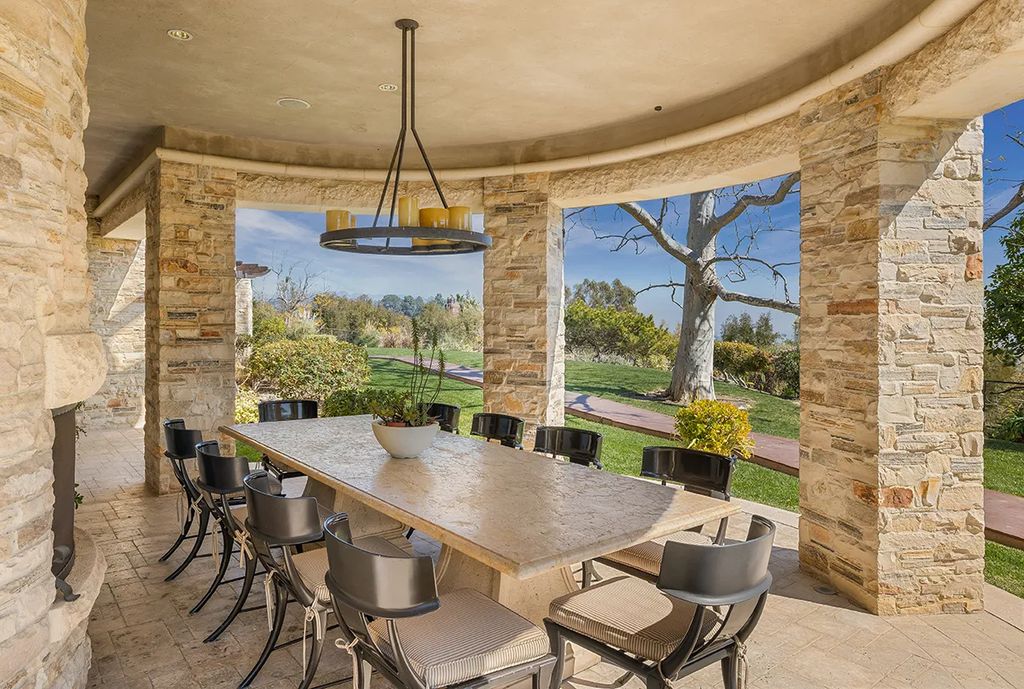
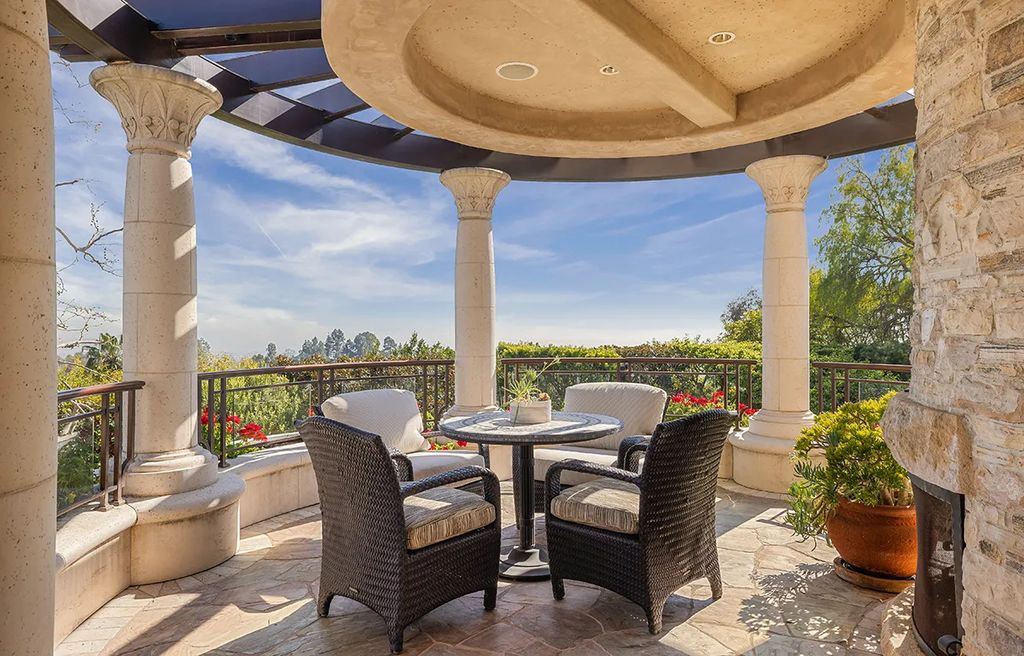
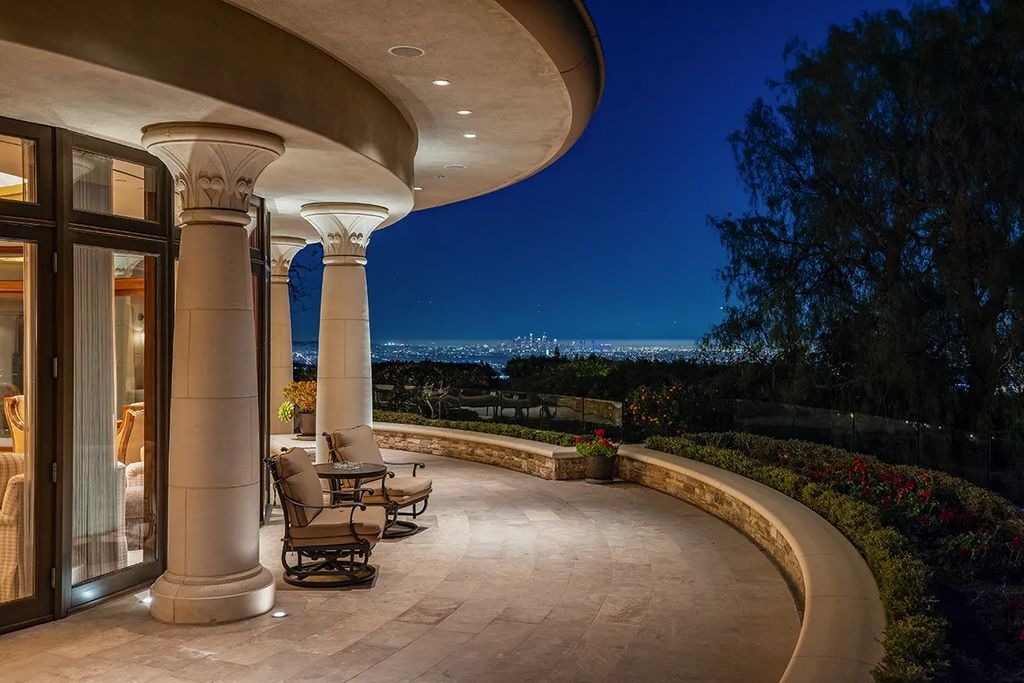
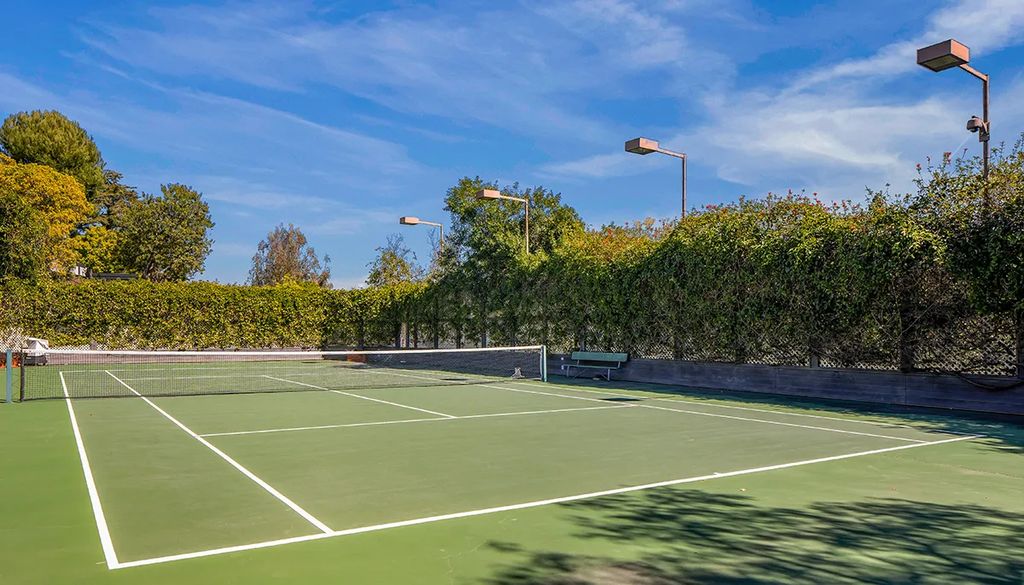
The mansion was designed not only as a residence but as an entertainment venue for one of the most influential figures in music. The wine cellar and tasting room flow into a lounge and cabana, perfect for intimate gatherings. Outside, manicured lawns, sprawling verandas, and numerous terraces cascade down toward an infinity-edge pool and spa. Adjacent sits a lighted tennis court, where Jones frequently entertained friends from the industry.
In a statement to the press, Jones’s daughter, actress Rashida Jones, reflected on the meaning of the estate: “My father loved his home so much. He created it from the ground up with his boundless imagination and the talent of his high school friend, legendary architect Jerry Allison. Our family has a lifetime worth of wonderful memories here. We hope the new owner will continue the legacy of love and beauty that is synonymous with his name.”
A Cultural Landmark in Bel Air Real Estate
Beyond its architectural brilliance, this home carries an unmatched cultural pedigree. Quincy Jones is widely recognized as one of the greatest musical producers of all time, with credits ranging from Thriller to We Are the World. His Bel Air residence stands as a physical embodiment of that creativity, blending luxury, music, and legacy into one remarkable address.
David Kramer and Andrew Buss of the David Kramer Group at Compass, who hold the listing, emphasize its rarity. “Homes of this scale and provenance rarely come to market in Bel Air,” Kramer explains. “It’s not just the size or the views—it’s the story. Buyers are purchasing a once-in-a-lifetime opportunity to own a piece of entertainment history.”
The Market for Bel Air Estates
The listing also reflects broader trends in the Los Angeles luxury real estate market. Bel Air, along with Beverly Hills and Holmby Hills, forms part of the Platinum Triangle, where trophy properties routinely command eight- and nine-figure price tags. Recent years have seen increasing international interest, particularly from buyers seeking properties with cultural significance and unmatched privacy.
As Compass agent Andrew Buss notes: “There are homes in Bel Air that are architectural, and there are homes that are cultural landmarks. This property is both. It will attract not just wealthy buyers but collectors of history.”
A Mansion that Blends Memory with Modernity
Despite its grandeur, the home remains deeply personal. It reflects Jones’s artistry not only in its design but in the way it embraces music, family, and creative expression. The recording studio, the screening room, the spa, the gardens—all were designed to inspire. Nearly every corner offers a glimpse of the man behind the music, making it a living archive of a cultural icon.
For those looking to step into the legacy of one of music’s most influential figures, this Bel Air mansion offers more than just walls and acreage. It offers a narrative of imagination, resilience, and artistry—woven into stone, glass, and California sunlight.