

For those who admire both sustainable design and Hollywood history, the Bryan Cranston Former Beach House in Ventura County, California, has returned to the market with an impressive $8 million price tag. Situated in the serene seaside enclave of Mussel Shoals, between Los Angeles and Santa Barbara, this residence is far more than just another luxury listing—it is an architectural statement about sustainability, design innovation, and coastal living.
Hollywood Star Turns Vision Into Architecture
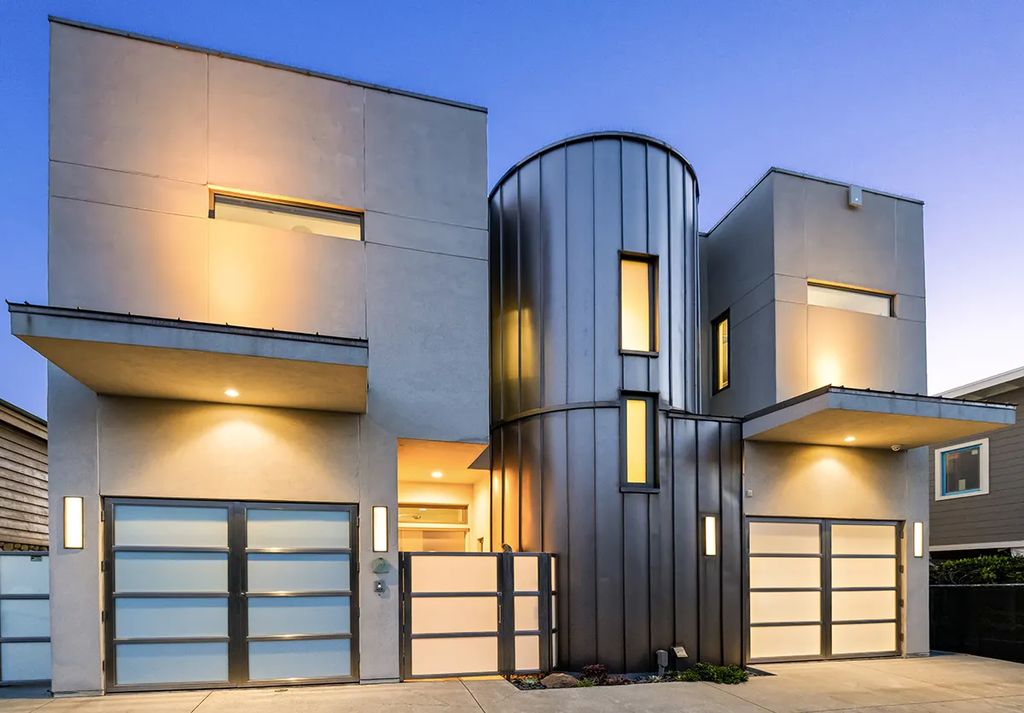
In 2007, Emmy-winning actor Bryan Cranston and his wife Robin Dearden purchased a modest 1940s bungalow for $2.5 million. Nestled on a private stretch of sandy shoreline, the home quickly became a passion project. Over six years, the couple transformed the humble structure into what Cranston proudly called a “sustainable showpiece.” Working with Turturro Design Studio and Allen Associates Construction, they reimagined the residence into a net-zero, environmentally friendly haven they affectionately named Three Palms.
Cranston once explained in a 2012 Real Green TV interview that his vision was to prove one could create a green home without sacrificing luxury or comfort. “We wanted to show the world that you don’t need to compromise when you’re building a sustainable home—you can still live beautifully,” he said. This statement still resonates today, as the property remains one of the most significant eco-luxury residences on the California coastline.
A Net-Zero Pioneer in Ventura County
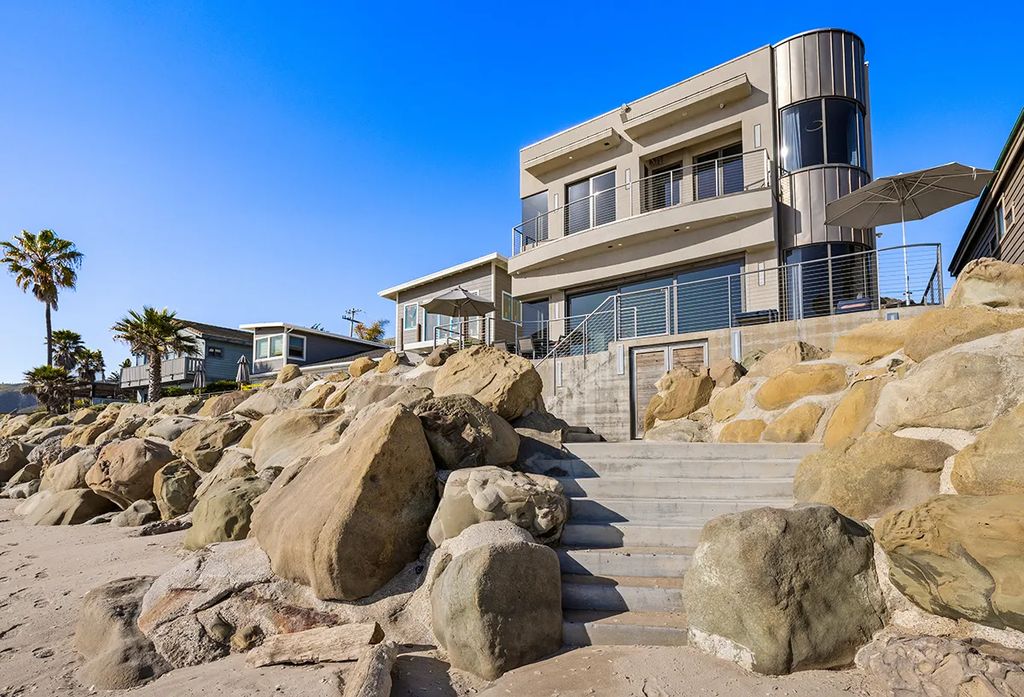
The Bryan Cranston Former Beach House is notable for being the first passive-house-certified property in Ventura County, even earning the U.S. Green Building Council’s “Green Home of the Year” award. Completed in early 2013, the stucco-and-titanium-sided residence integrates energy-efficient systems, solar power, and water recycling. These features allow the home to generate as much energy as it consumes, an achievement that positioned Cranston as a pioneer in the movement for sustainable celebrity homes.
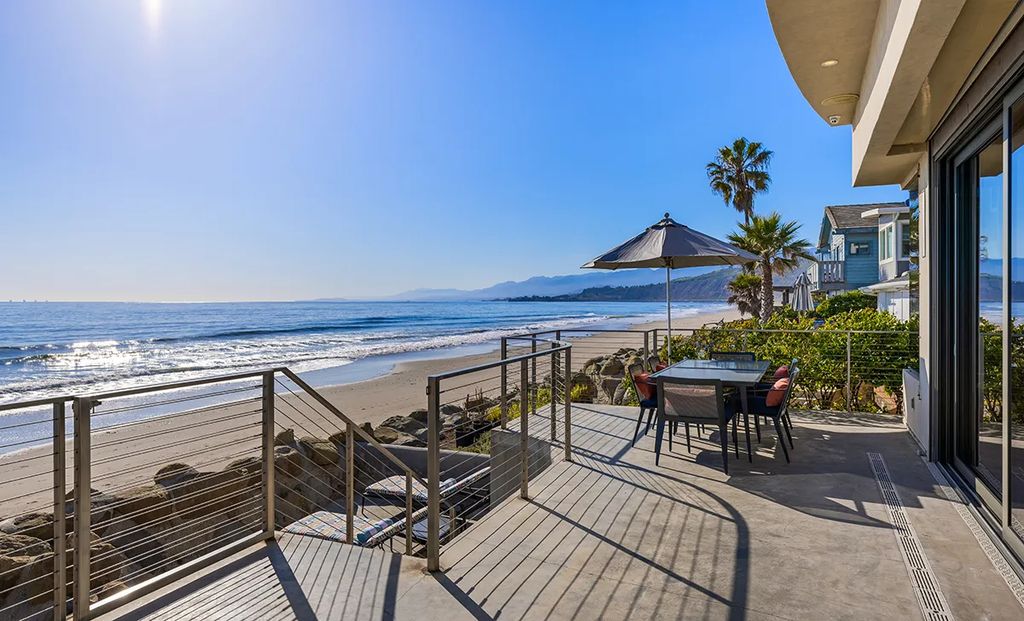
Beyond its technical credentials, the property embodies a seamless blend of form and function. The architectural design maximizes natural light through expansive walls of glass, while also framing uninterrupted views of the Pacific Ocean. The result is a coastal dwelling that feels both strikingly modern and deeply connected to its environment.
Interior Elegance Meets Sustainable Design
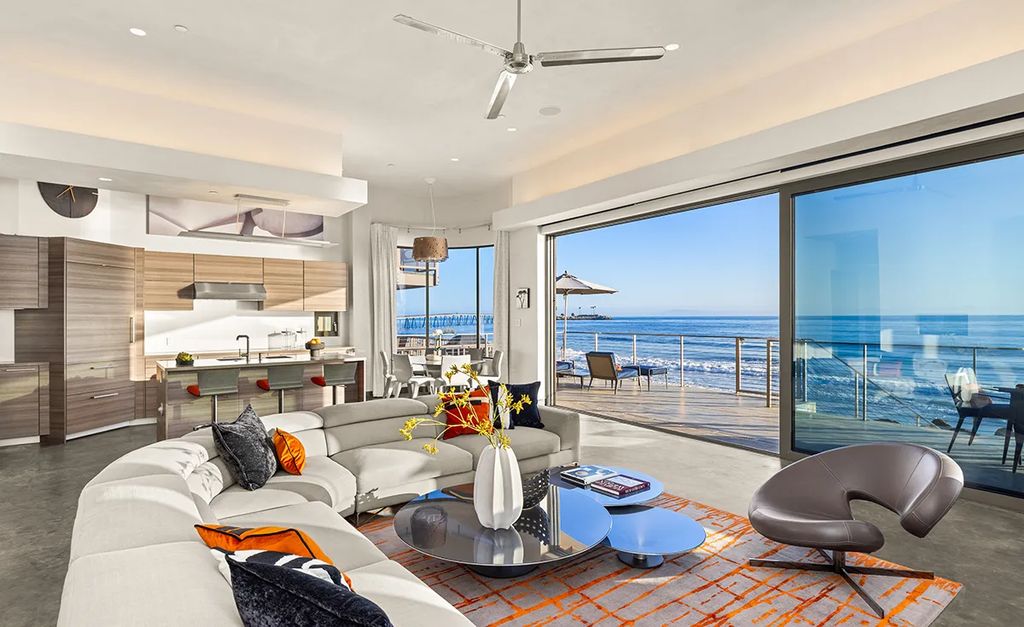
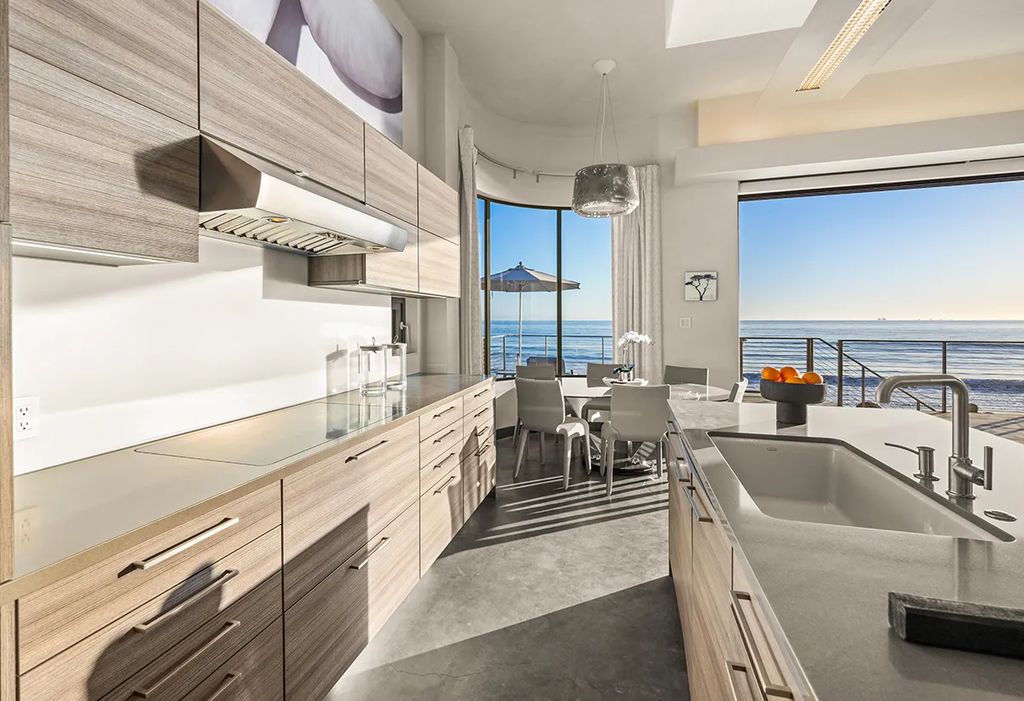
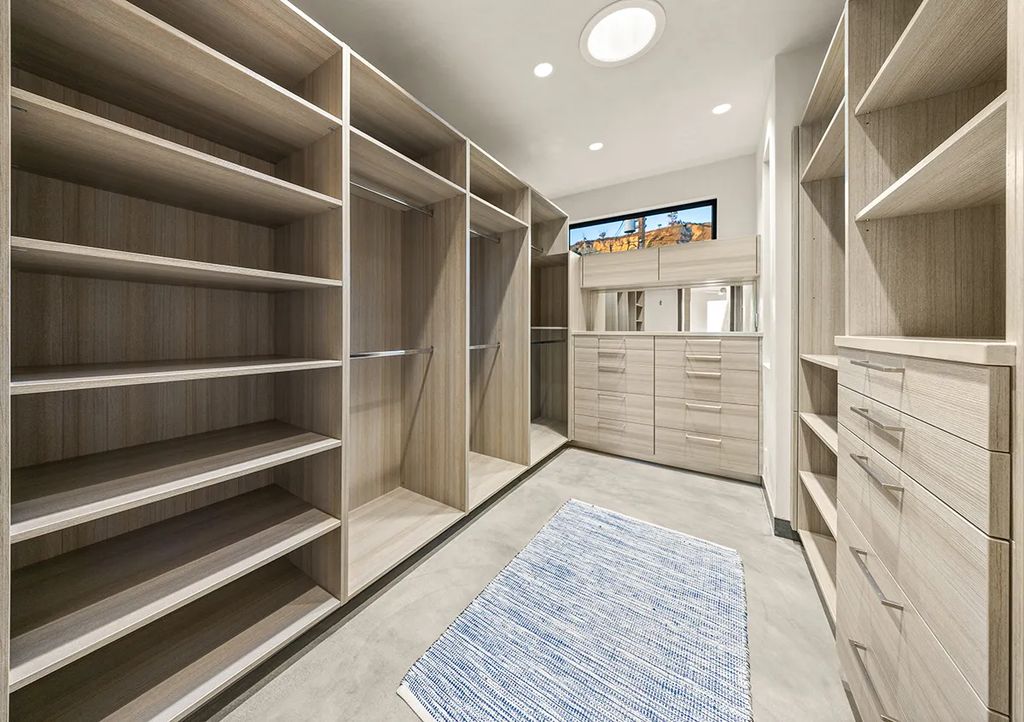
Measuring 2,450 square feet across two levels, the home balances sophistication with ecological responsibility. Inside, polished concrete floors provide a sleek but environmentally friendly foundation. The great room functions as the social heart of the house, combining an open living area, a dining space, and a state-of-the-art kitchen. Custom Poggenpohl cabinetry, Wolf and Sub-Zero appliances, and a generous island make the kitchen a showpiece for both functionality and style.
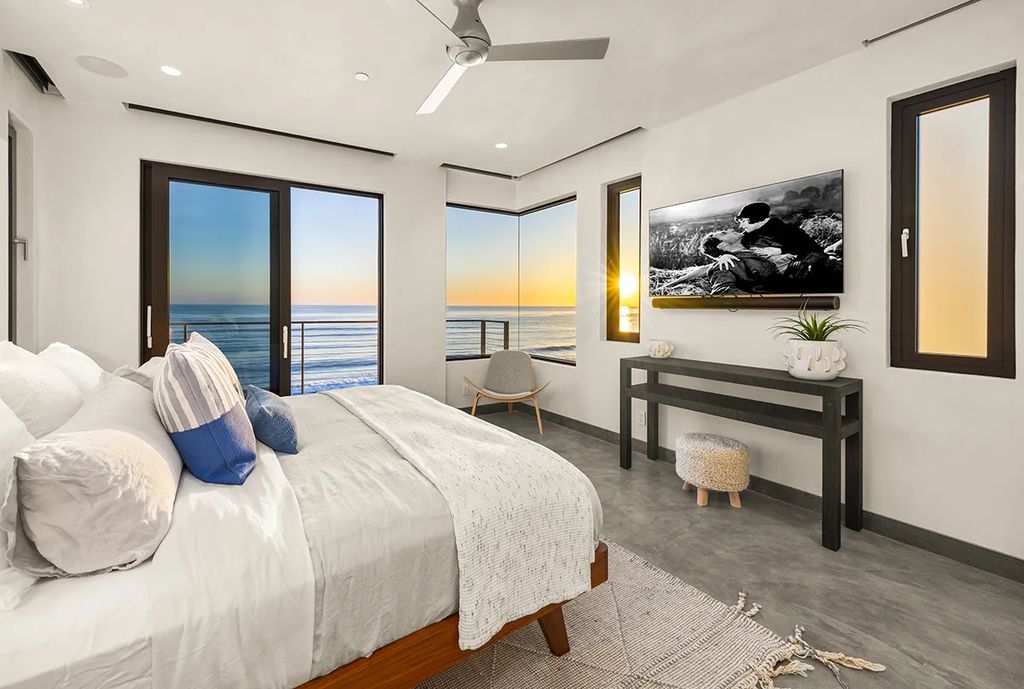
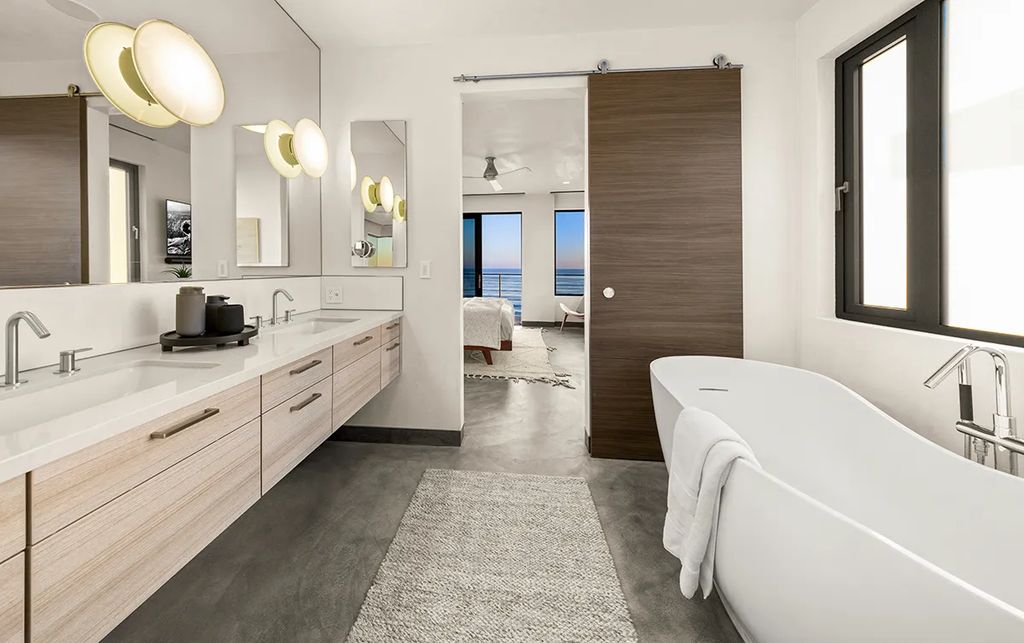
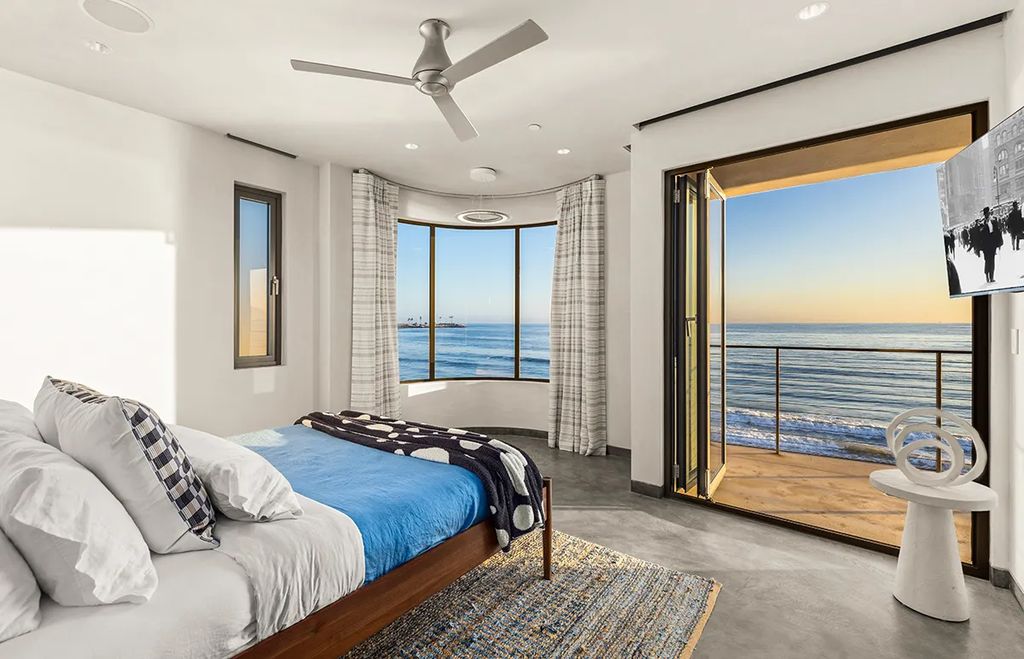
The upper level includes three bedrooms, each designed with calming tones and framed by floor-to-ceiling glass. The primary suite is especially impressive, offering direct ocean views, a spa-like bathroom with dual vanities, a soaking tub, and a steam shower. A small hallway kitchenette adds practicality, while the lower level offers a den that doubles as a fourth bedroom. In a rare touch for beachfront properties, the house even includes a basement accessible from an exterior entrance, expanding both storage and utility options.
Art and design also play a significant role in the property’s interior atmosphere. The current staging includes works by Roche Bobois, Louis Poulsen, Chabada, Pablo Campos, and Alberto Gálvez. These pieces, which are available for purchase separately, emphasize the refined cultural sensibility Cranston and Dearden infused into their residence.
Oceanfront Lifestyle and Architectural Detail
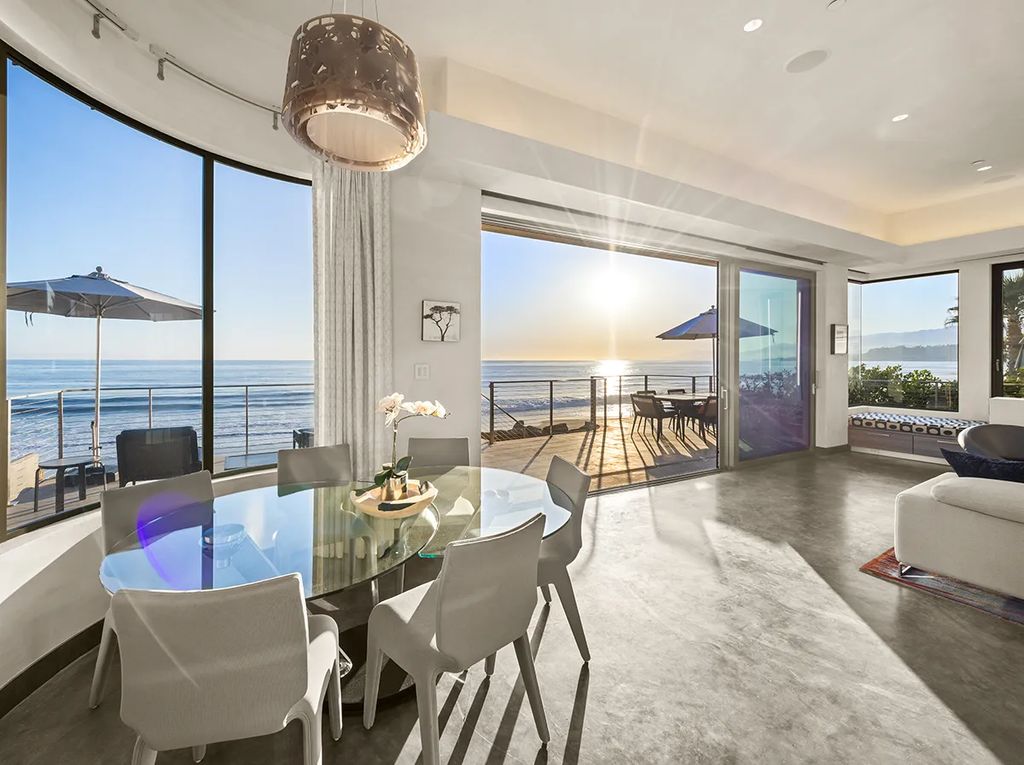
What makes the Bryan Cranston Former Beach House so captivating is its relationship with its surroundings. Outdoor living is seamlessly integrated through multiple patios and an expansive rear deck, which steps directly onto the sand. From sunrise reflections to sunset vistas, the property ensures the Pacific Ocean is ever-present.
Architects and sustainability experts often point to this home as a rare example of a celebrity property that is both glamorous and forward-thinking. Its titanium siding reflects modern minimalism while withstanding the coastal climate, and its passive-house design principles ensure interior comfort regardless of seasonal temperatures. The effect is a home that embodies timeless elegance while anticipating the future of luxury real estate.

Transaction History and Market Position
Cranston and Dearden sold the property in 2021 to real estate investor Louis Gonda for $5.5 million—about $455,000 above their asking price at the time. Now, just four years later, the home reemerges on the market with an ambitious $8 million listing. The sale is being represented by Katie Walsh of Berkshire Hathaway HomeServices California Properties in Montecito.
Walsh emphasizes the home’s unique identity in the marketplace: “This is not simply a beach house; it’s a piece of architectural history. Buyers are drawn not only to its celebrity pedigree but also to the fact that it represents the very best in sustainable luxury living,” she shared.
Sustainability as a Lasting Legacy
While luxury real estate often revolves around scale and spectacle, Cranston’s legacy with this property lies in proving that green building can rival any high-end home in design and livability. The Bryan Cranston Former Beach House is more than just a beautiful residence—it is a blueprint for sustainable architecture on the coast.
In the words of one of the project’s designers, “The challenge was to harmonize the structure with the environment, ensuring every decision—materials, layout, and systems—reduced impact without compromising beauty. The result is a home that feels both revolutionary and serene.”
For buyers seeking a blend of celebrity history, eco-conscious engineering, and an unparalleled California lifestyle, this Ventura County estate offers a rare opportunity.