
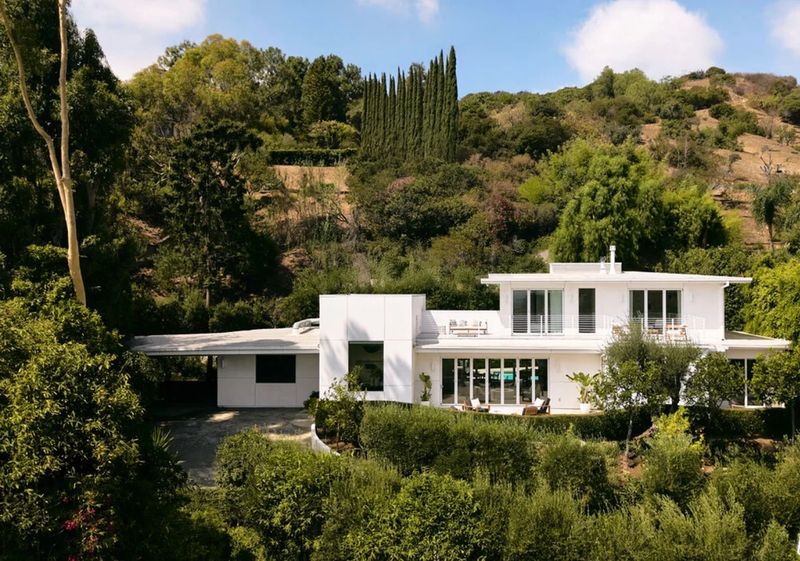
Grammy-winning DJ and music producer Zedd has sold his longtime Hollywood Hills residence for $4.25 million, bringing an end to a 12-year ownership period that began during the rise of his international music career. The off-market transaction marks the departure of one of the artist’s most personal Los Angeles properties, a contemporary retreat in the exclusive Outpost Estates neighborhood featuring panoramic city views, expansive glass walls and a professional recording studio.
Zedd, whose real name is Anton Zaslavski, originally purchased the four-bedroom property in 2014 for $3.9 million, following the success of his debut studio album, Clarity. The sale represents a $350,000 difference between the original purchase price and the latest reported transaction, before accounting for ownership expenses, improvements, taxes and other costs.
The approximately 3,381-square-foot residence had previously entered the market in October 2025 with an asking price of approximately $5.5 million. After several price adjustments, the property was ultimately offered at $4.499 million before being withdrawn from the public market and finding a buyer through an off-market transaction.
The final $4.25 million sale was reported by Mansion Global in November 2026. David Kramer and Andrew Buss of Compass represented Zedd, while Brandon Meneses of The Beverly Hills Estates and Janelle Meneses of The Agency represented the buyers.
For California Luxury Houses, the transaction offers an interesting perspective on the appeal of celebrity-owned residences in Los Angeles, where architecture, privacy and distinctive lifestyle features can be just as influential as the property’s previous ownership.
A 1950s Modernist Residence in the Hollywood Hills
Located along Carman Crest Drive in Outpost Estates, Zedd’s Los Angeles home occupies a hillside setting that combines residential privacy with expansive views across the surrounding canyons and the Los Angeles cityscape.
Built in 1950, the residence reflects a modernist architectural approach characterized by an open floor plan, understated exterior detailing and a strong connection between interior and exterior spaces. Although the property has undergone updates over the years, its original midcentury character remains an important part of its identity.
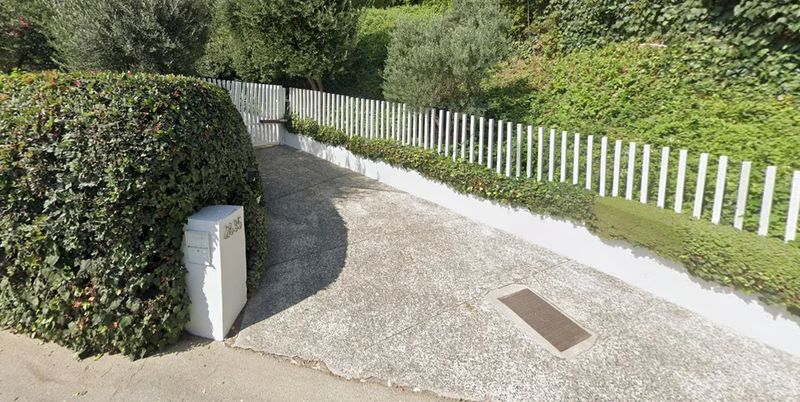
Behind a gated entrance and a long private driveway, the home sits on slightly more than one-third of an acre, surrounded by mature landscaping and greenery. The elevated setting provides a sense of separation from the surrounding urban environment, while maintaining the visual connection to the city below.
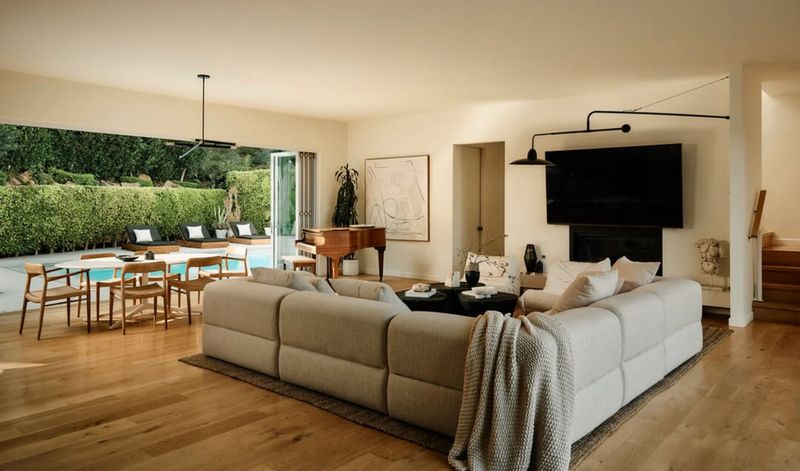
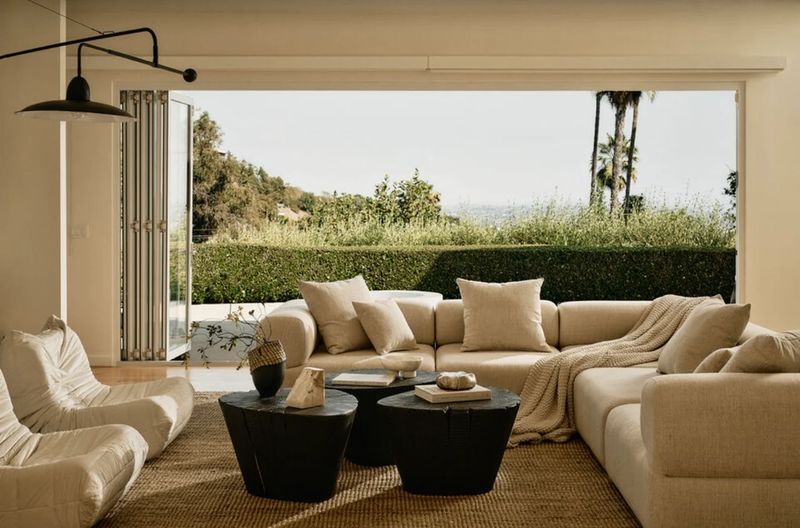
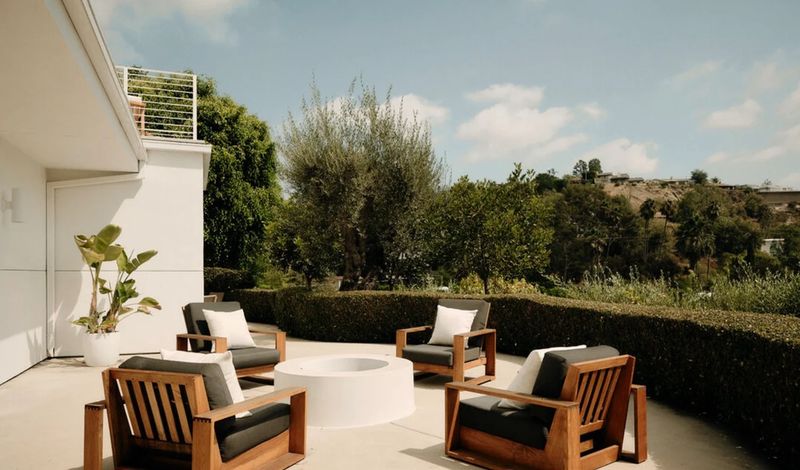
One of the residence’s defining architectural elements is its expansive accordion-style glass door system. Rather than treating the backyard as a separate recreational area, the design allows the principal living spaces to open directly toward the patios and swimming pool.
This arrangement creates a flexible indoor-outdoor environment particularly suited to Southern California’s climate. During warmer months, the glass walls can be folded away, allowing natural light, fresh air and the surrounding landscape to become part of the everyday living experience.
Inside the Home: An Open Layout Designed for Entertaining
The interior of the residence is organized around an open-concept living arrangement connecting the family room, dining area and chef’s kitchen. The overall aesthetic is contemporary and restrained, with neutral finishes that allow the surrounding views and outdoor spaces to take visual priority.
The kitchen features a substantial central island with bar seating, providing an informal gathering point for family and guests. A pass-through window further connects the kitchen to an outdoor bar area, making it possible to serve refreshments directly to the poolside entertaining space.
The property includes four bedrooms, each with an en-suite bathroom and access to an outdoor area. This configuration offers a degree of privacy for residents and guests while maintaining a consistent relationship between the interior and landscaped surroundings.
The primary suite is particularly designed as a private retreat, featuring a fireplace, a walk-in closet and a spa-inspired bathroom with a soaking tub and dual rain showers.
Additional amenities include multiple fireplaces, a glass-enclosed wine cellar and carefully arranged outdoor seating areas. Together, these features create a residence that balances everyday functionality with the entertaining requirements often associated with high-end Hollywood Hills properties.
A Professional Recording Studio That Helped Seal the Deal
Perhaps the most distinctive feature of Zedd’s Los Angeles home is its professional-grade recording studio.
For an internationally recognized electronic music producer, having a dedicated production environment within his own residence offered an important practical advantage. The studio provided a private setting for music creation, recording and experimentation without the need to travel to an external production facility.
Interestingly, the room also became an unexpected selling point.
According to Brandon Meneses, who represented the buyers, the couple had been searching for a property for an extended period before deciding that Zedd’s residence was the right fit.
“They’ve been looking for a long time and ultimately felt this was the right home for them,” Meneses told Mansion Global.
The buyers were also fans of the Grammy-winning producer, making the existing recording facilities particularly appealing.
“They are actually huge fans of Zedd, so the music studio was an enticing factor in their decision making,” Meneses explained.
Rather than preserving the room for music production, however, the new owners reportedly intend to transform it into a private movie theater.
The decision illustrates an interesting aspect of luxury residential real estate: specialized spaces designed around one owner’s lifestyle can acquire an entirely different purpose when a property changes hands. In this case, a room created for professional music production may soon become a dedicated entertainment space for its new occupants.
Outpost Estates: A Historic Hollywood Hills Community
Beyond the residence itself, its location in Outpost Estates represents another important part of the property’s appeal.
The neighborhood is among the established residential enclaves of the Hollywood Hills, with a history dating back to the 1920s. Its development was closely associated with Charles E. Toberman, the prominent Los Angeles real estate developer who envisioned an exclusive hillside residential community surrounded by natural beauty.
The area became known as the “Jewel in the Hills,” reflecting its elevated setting, carefully planned streets and distinctive residential character.
Unlike many newer luxury developments, Outpost Estates evolved over several decades, incorporating a variety of architectural styles while retaining much of its original neighborhood identity. Its approximately 450 homes are positioned between Mulholland Drive, Franklin Avenue, Runyon Canyon Park and Hollywood Heights.
For residents, the location offers a particularly attractive combination of residential seclusion and access to Hollywood’s cultural and lifestyle destinations.
Outdoor enthusiasts have convenient access to Runyon Canyon Park, one of Los Angeles’ best-known urban hiking destinations. Its trails offer opportunities for walking, running and enjoying elevated views of the surrounding city.
The Hollywood Bowl, another major landmark, provides access to an extensive calendar of live performances, including classical concerts, contemporary music and special entertainment events.
Dining and entertainment options are also available throughout the surrounding Hollywood district. Restaurants, cafés and shopping destinations around Hollywood Boulevard and Franklin Avenue provide everyday conveniences, while the nearby Magic Castle adds another distinctive entertainment destination to the neighborhood.
For transportation, the Hollywood/Highland Metro station provides access to the Metro B Line, while major roads including Franklin Avenue and Highland Avenue connect the community with other parts of Los Angeles. The Hollywood Bowl also offers dedicated shuttle and public transportation connections for concertgoers.
This balance between hillside privacy and access to the wider city has helped sustain Outpost Estates’ appeal among buyers seeking established Hollywood Hills real estate.
Zedd’s Changing Los Angeles Real Estate Portfolio
Zedd’s decision to sell the Outpost Estates residence comes as his broader real estate portfolio has evolved.
The producer previously owned a substantial property in Encino, which he purchased from entertainers Joe Jonas and Sophie Turner before selling it to pop star Meghan Trainor. That former Encino residence subsequently returned to the market with an asking price of just under $18 million in 2026, according to Mansion Global.
His Hollywood Hills property, meanwhile, represents a different chapter in his residential history. Acquired in 2014 for $3.9 million, it remained associated with his career for more than a decade, combining a private living environment with facilities directly connected to his work in the music industry.
The sale at $4.25 million also reflects the property’s journey through the Los Angeles luxury market. Its initial $5.5 million asking price in 2025 was followed by multiple reductions before the eventual off-market transaction, demonstrating how seller expectations and buyer demand can converge at a different price point.
A representative for Zedd did not immediately respond to Mansion Global’s request for comment on the transaction.
For California Luxury Houses, the sale is notable not simply because a Grammy-winning artist has parted with a Hollywood Hills residence, but because the property offers a compelling combination of midcentury architecture, distinctive entertainment amenities and a location within one of Los Angeles’ historically significant hillside communities.
After 12 years, the house is entering a new chapter under different ownership. Its professional recording studio may become a movie theater, but its defining characteristics—privacy, panoramic views and a strong connection between indoor and outdoor living—remain central to its appeal.