

A historic California ranch with a remarkable place in Hollywood history has changed hands. The Monterey home where Shirley Temple married Charles Black in 1950 has sold for $2.45 million, bringing a new chapter to a property that witnessed the beginning of the couple’s long marriage.
Built in 1940, the single-story residence belonged to Black’s parents, who used it as a weekend retreat. Known to the family as “Mesita,” the adobe ranch house offered a private setting and an architectural character rooted in Monterey’s Spanish colonial heritage. Its appeal extended beyond celebrity history, with original details and a secluded garden helping distinguish it in the local market.
The sale brings renewed attention to the Shirley Temple Monterey home, a property that connects an intimate moment in the actress’s life with the enduring appeal of California’s historic residential architecture.
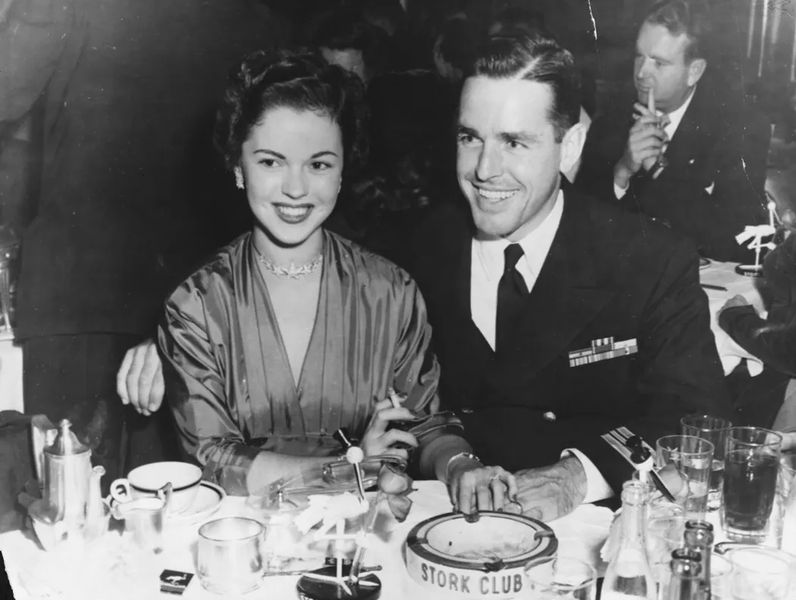
A Monterey Wedding That Became Part of Hollywood History
Temple, one of the most recognizable child stars of the 1930s, married Charles Black at the family home in 1950. Black, a California native born in Oakland, was a naval officer and an avid surfer. The couple first met at a party in Hawaii that year.
Their meeting came about in part through chance. “We would never have met if the surfing was good that day,” Temple said after Black’s death in 2005, according to his obituary.
The wedding itself was a small, personal occasion. In her autobiography, Temple recalled that she and Black were married by a local justice in front of a fireplace decorated with greenery.
“Charlie and I were married by a local justice in front of a fireplace bedecked with boughs,” she wrote.
The fireplace remains one of the home’s most evocative features, linking its everyday domestic setting to a milestone in the lives of two people whose marriage lasted more than five decades. Black died in 2005, while Temple died in 2014.
The home’s significance is therefore not simply that a famous actress once stood inside it. It was the setting for the start of a partnership that endured long after Temple’s years as a screen star.
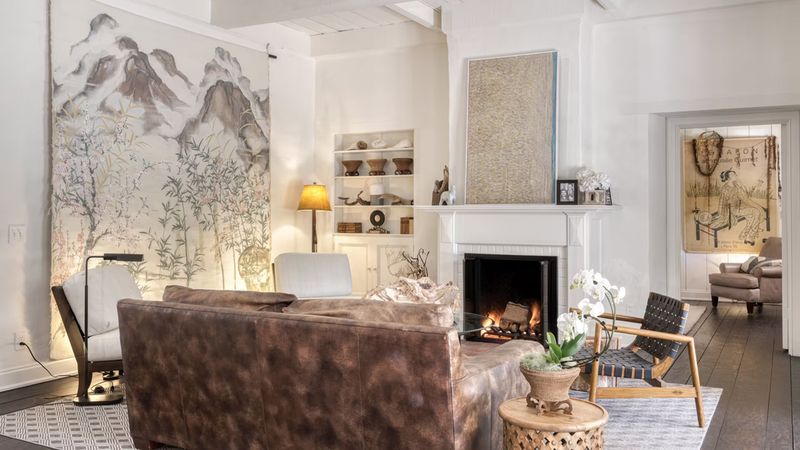
Adobe Ranch Architecture With Monterey Roots
Temple offered her own description of the house in her 1988 autobiography, portraying “Mesita” as a white-washed retreat whose design reflected the region’s layered architectural history.
She described a blend of Spanish mission influence and New England details, including adobe brick, curved red roof tiles, wooden slat shutters and mullioned windowpanes. The combination gives the residence a distinctive identity within Monterey’s historic built environment.
The home spans approximately 2,180 square feet and is arranged on one level. Its layout includes two bedrooms, with the possibility of configuring a third, as well as a formal dining room and family room. An enclosed garden, porches, original hardwood floors and a wood-burning fireplace contribute to its traditional character.
The clay roof tiles and thick adobe walls also serve a practical purpose, helping regulate indoor temperatures naturally. Rather than relying on a dramatic contemporary redesign, the residence’s appeal rests on its material character, intimate scale and sense of continuity.
For buyers drawn to historic properties, the Shirley Temple Monterey home offered a rare combination: a recognizable piece of Hollywood history in a house that retained the qualities of a private family retreat.
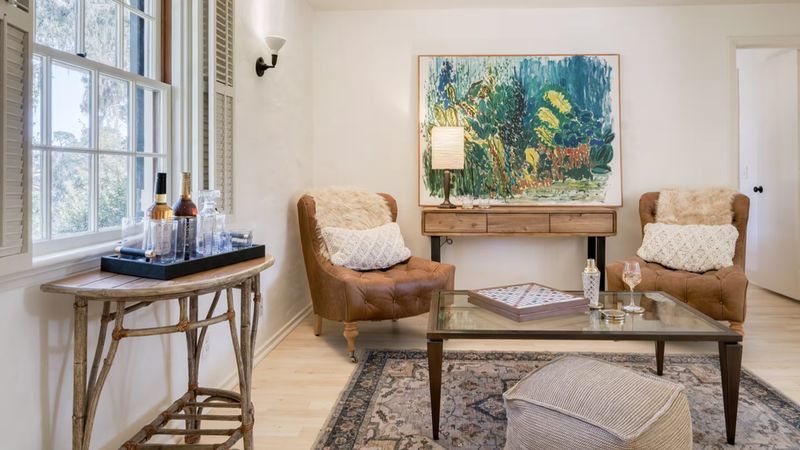
A Sale Driven by More Than Celebrity Provenance
The property was listed by David O’Neil of Sotheby’s International Realty and attracted attention for its connection to Temple and Black. But O’Neil said the home’s significance went beyond its famous wedding.
“It wasn’t simply the home’s connection to Shirley Temple that intrigued so many visitors, but what that connection represented,” O’Neil told Mansion Global. “This was the place where she married and began the great love story of her life.”
That emotional history gave the property a compelling narrative, but its architecture and atmosphere were also central to its appeal.
O’Neil described the house as having an almost fortress-like presence from the approach, with a sense of privacy behind its substantial wooden gates and doors. Once inside, however, the residence reveals a more welcoming character.
The contrast between its sheltered exterior and its intimate interior helped shape the experience of the property. Framed photographs of Temple were displayed throughout the home, adding another layer to its connection with the actress.
According to O’Neil, the buyers were so taken with the photographs that they specifically requested they remain with the property as part of the purchase. The decision suggests that the home’s history was not simply a marketing feature for the new owners, but part of what made the residence meaningful to them.
Sandra Schirmer and Wally Sayles, also of Sotheby’s International Realty, represented the buyers. The identities of both the buyers and sellers were not disclosed. The sellers had acquired the property in 2022 for $1.81 million, according to property records.

A Historic Home Finds Its Next Chapter
The Monterey residence entered the market in April before selling for $2.45 million. Its sale illustrates the distinctive appeal of homes whose value is shaped by both physical features and cultural history.
Unlike a newly built luxury property marketed primarily around square footage, finishes or amenities, the house carries a story that cannot be replicated. Its connection to Temple and Black gives it a place in the broader history of Old Hollywood, while its adobe construction and traditional details tie it to Monterey’s architectural past.
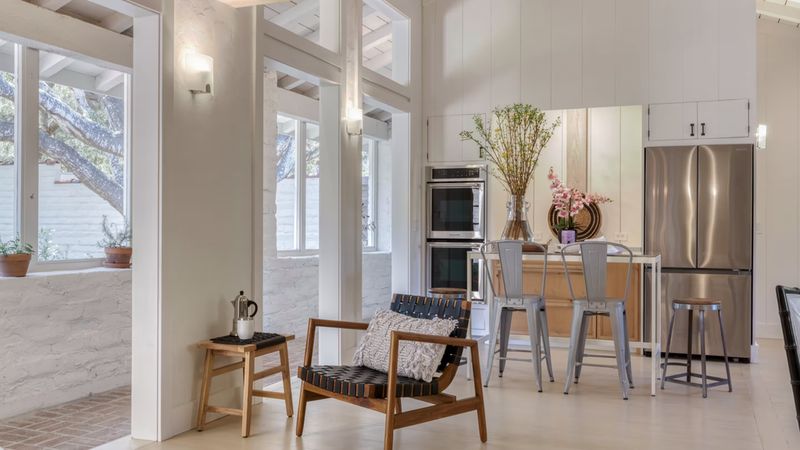
At the same time, the home remains a residence rather than a museum. Its modest scale, garden and original features offer a more personal experience than the grand estates often associated with celebrity real estate.
For California Luxury Houses, the sale is a reminder that the most compelling historic properties often combine a recognizable name with a genuine sense of place. In Monterey, the house where Shirley Temple and Charles Black began their married life has now passed to new owners, carrying with it a story that spans generations.
The $2.45 million transaction closes one chapter in the life of “Mesita,” but the home’s most memorable moment remains preserved in the history of the couple who married there in 1950.