
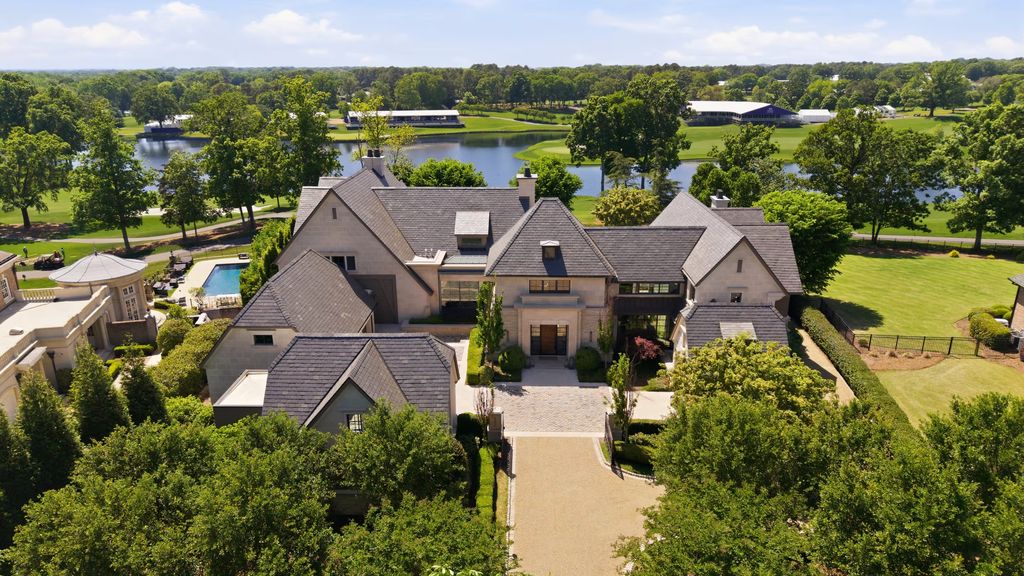
Charlotte’s luxury housing market has spent the past several years moving steadily upward, but every so often a transaction arrives that changes the conversation entirely. A recently completed $15 million deal involving the former estate of late LendingTree founder Doug Lebda has now established a new high-water mark for the region, reinforcing the growing strength of the ultra-luxury segment across North Carolina.
For years, Charlotte attracted executives, entrepreneurs and professional athletes looking for privacy and large residential footprints while maintaining access to a thriving business environment. Yet homes trading in the eight-figure range have historically remained relatively rare compared with markets such as Palm Beach, Beverly Hills or Aspen. This latest transaction suggests that perception may be shifting.
Information reviewed by californialuxuryhouses indicates that the custom-built residence entered the market and quickly generated substantial attention before ultimately closing at its full asking price. In a segment where larger estates frequently spend months searching for buyers, the pace of the transaction drew significant interest among luxury real estate professionals.
A Custom-Built Charlotte Residence Designed Around Privacy
Located near the fairways of Quail Hollow, one of Charlotte’s most recognizable golf environments, the residence was conceived as a home where architectural restraint carried as much importance as scale.
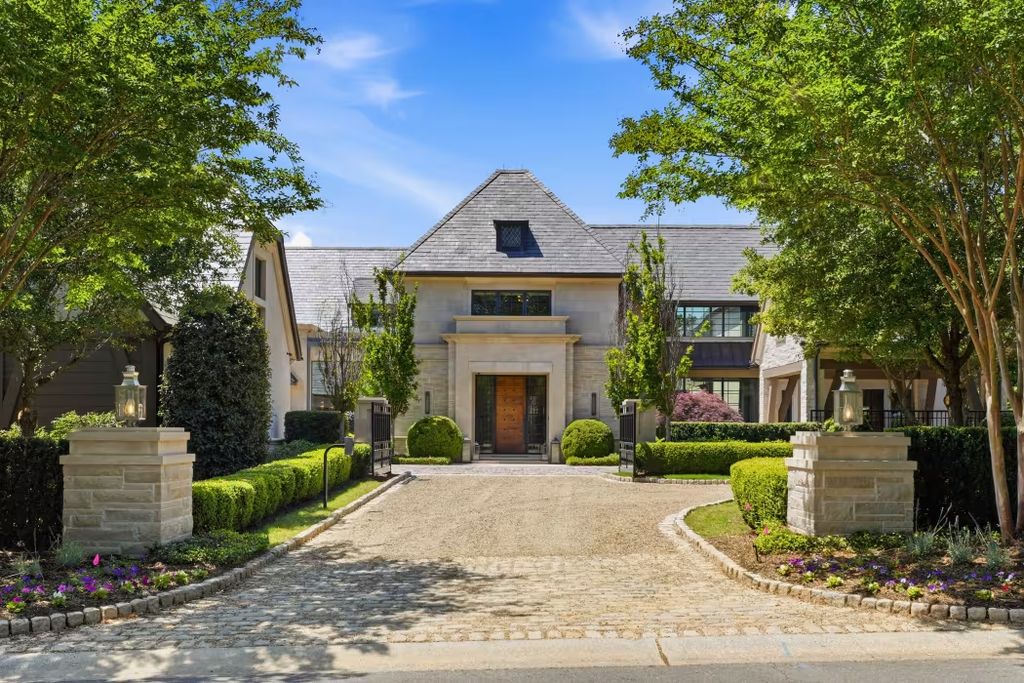
Although the property spans more than 17,500 square feet, its visual presentation reportedly avoids immediate grandiosity from the street. Behind a gated motor court, the estate unfolds gradually, revealing larger spaces only after entering the residence itself.
Speaking with californialuxuryhouses about buyer preferences in the luxury segment, listing agent Liza Caminiti noted that distinctive homes often succeed because of emotional connection rather than pure size.
“Many buyers at this level aren’t simply comparing square footage,” Caminiti told californialuxuryhouses. “They’re responding to a feeling that a property creates from the moment they arrive.”
The home was completed in 2017 through a collaboration involving architect Harry Schrade, builder Arcadia Homes and J Layton Interiors. The design combines traditional European inspiration with contemporary planning, creating an aesthetic that feels substantial without becoming overly formal.
Hand-cut limestone finishes define much of the exterior appearance, contributing texture and permanence while reinforcing the estate’s custom character.
Interior Spaces Reflect the Evolution of Luxury Living
Over the past decade, luxury homes have changed dramatically. Buyers increasingly look for residences capable of functioning as private retreats where entertainment, wellness and daily life coexist naturally.
That philosophy appears throughout the Charlotte estate.
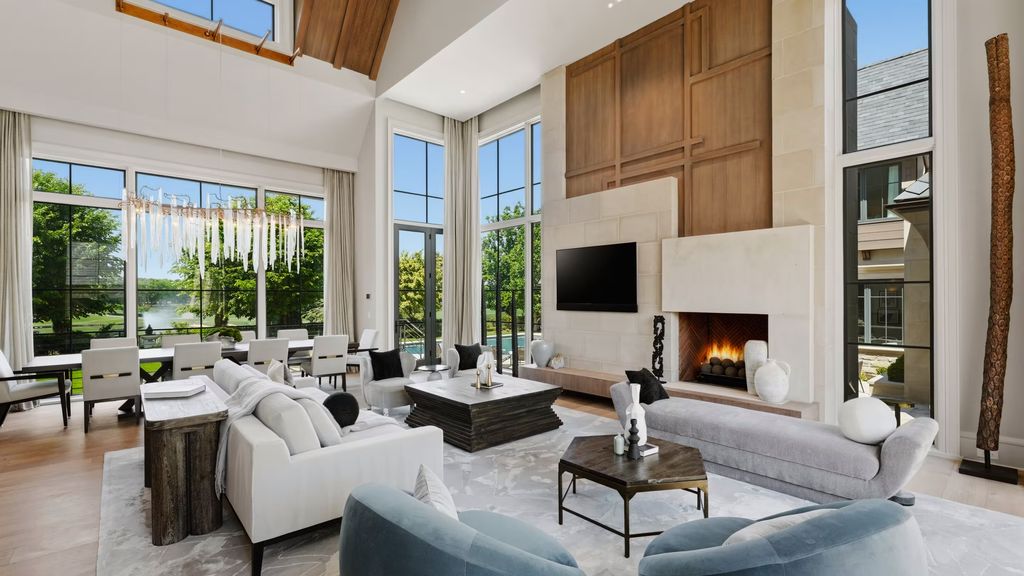
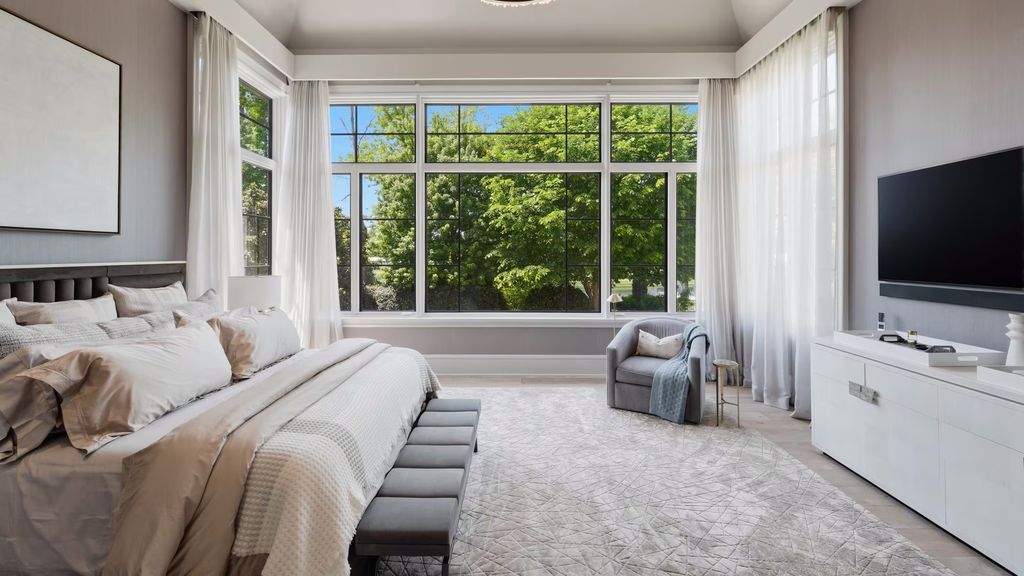
Inside, soaring ceilings and abundant natural light establish an immediate sense of openness. Public gathering areas transition fluidly from one space to another rather than feeling compartmentalized. Skylights above the main living spaces introduce changing light conditions throughout the day, while warm architectural detailing softens the larger volumes.

The kitchen continues this approach with a design emphasizing both visual appeal and practicality. Marble surfaces, extensive cabinetry and professional-grade functionality create an environment suited to large-scale entertaining.
“Today’s luxury properties increasingly resemble hospitality environments,” a Charlotte-area market specialist told californialuxuryhouses. “Buyers want spaces that accommodate family life but also support events, gatherings and long-term flexibility.”
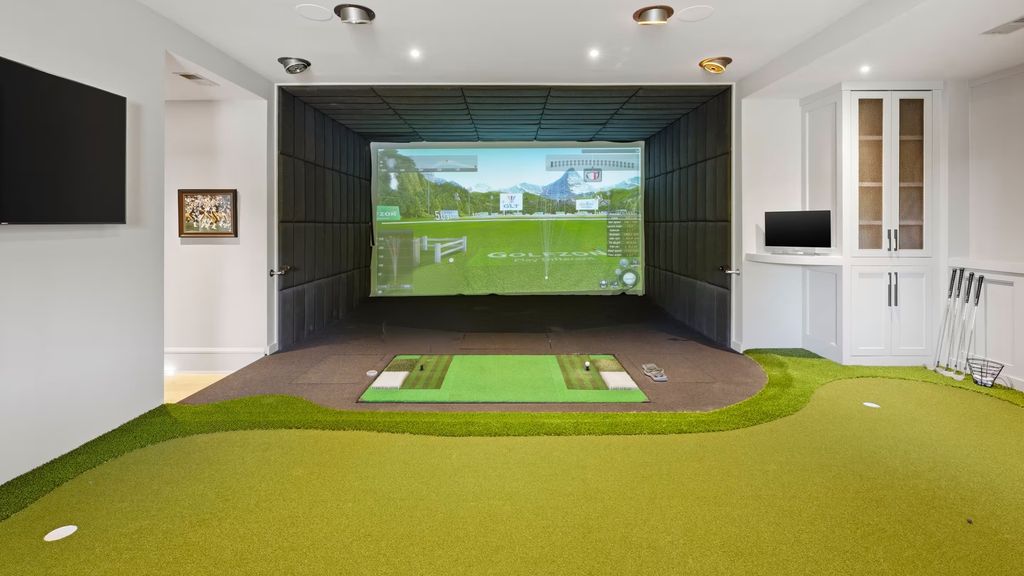
Rather than functioning as isolated amenities, many of the home’s lifestyle features appear integrated into everyday use. A golf simulator, fitness areas, theater spaces and wellness-focused rooms contribute to a broader residential experience designed around comfort and recreation.

The Outdoor Experience Becomes Part of the Architecture
Increasingly, premium homes across the United States are being designed around indoor-outdoor continuity, and the Charlotte property follows that direction closely.
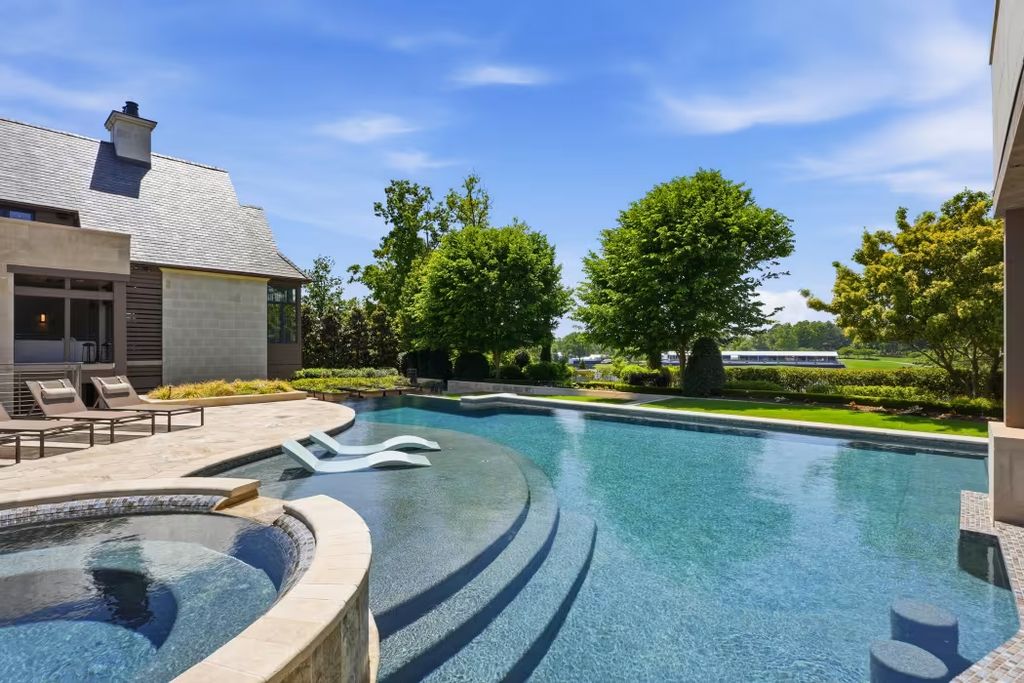
The main outdoor setting centers around a resort-inspired pool environment featuring gathering spaces intended for relaxation and entertaining. Adjacent seating areas and landscaped surroundings create visual connections with the neighboring golf landscape.
Luxury buyers increasingly prioritize these kinds of environments because homes now function differently than they did several years ago. Private residences have evolved beyond places used primarily for evenings and weekends. For many owners, they have become destinations in themselves.
“The strongest luxury properties create experiences that extend beyond walls and interiors,” another market observer familiar with upper-tier residential trends shared with californialuxuryhouses. “Outdoor environments have become just as important as formal living spaces.”
Doug Lebda’s Legacy Adds Another Layer to the Property Story
Beyond architecture, the residence also carries significance because of its connection to Doug Lebda.
As founder and longtime leader of LendingTree, Lebda played an important role in shaping the online lending landscape. Public property records show that he and his wife acquired the property in 2016 for approximately $2.762 million before the custom residence was developed.
The estate therefore represents not only a luxury residence but also a property associated with one of Charlotte’s better-known business figures.
Lebda died in 2025 following an ATV accident at another North Carolina property. He was 55.
californialuxuryhouses sought additional publicly available information regarding ownership-related details associated with the residence, though no further comment was available at publication time.
Charlotte Luxury Real Estate Continues Moving Into a New Chapter
Charlotte has traditionally existed somewhat outside conversations surrounding elite luxury destinations, but recent years have introduced meaningful changes.
Areas surrounding golf communities and luxury waterfront environments such as Lake Norman have increasingly attracted affluent buyers relocating from larger metropolitan markets. Combined with North Carolina’s business growth and lifestyle appeal, this trend has strengthened demand for highly customized residences.
The latest $15 million transaction may ultimately represent more than a single home sale.
For Charlotte luxury real estate, it may signal the beginning of an entirely new pricing era.