
A New Definition of Luxury Rooted in Nature
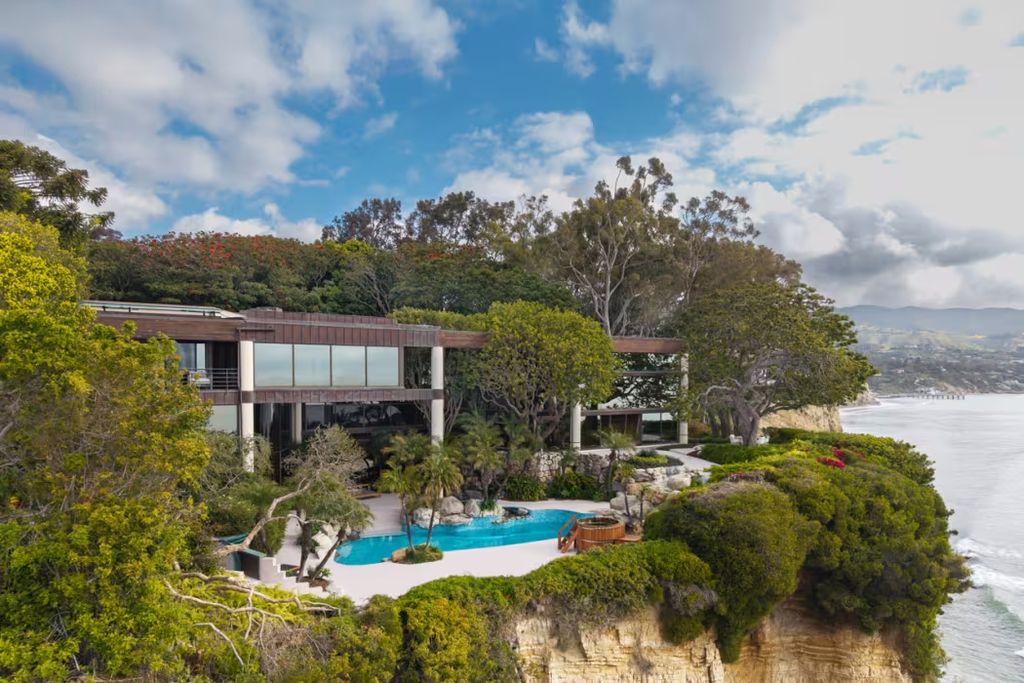
Biophilic luxury homes are rapidly redefining the landscape of high-end real estate, introducing a lifestyle where nature is not an afterthought but the very foundation of design. In today’s market, affluent buyers are increasingly drawn to properties that offer more than visual grandeur—they seek emotional resonance, wellness, and a deeper connection to their surroundings. This shift has given rise to greenhouse-style living, where indoor gardens, glass atriums, and curated natural environments transform residences into immersive sanctuaries.
Unlike traditional estates that frame nature as something to admire from a distance, biophilic luxury homes integrate greenery directly into everyday living spaces. Floor-to-ceiling glass, organic materials, and carefully controlled microclimates allow homeowners to experience the calming presence of nature year-round. A luxury real estate advisor, speaking with californialuxuryhouses, noted that demand for such properties has accelerated significantly, particularly among buyers looking for primary residences that double as private wellness retreats.
Why Biophilic Luxury Homes Are Dominating the Market
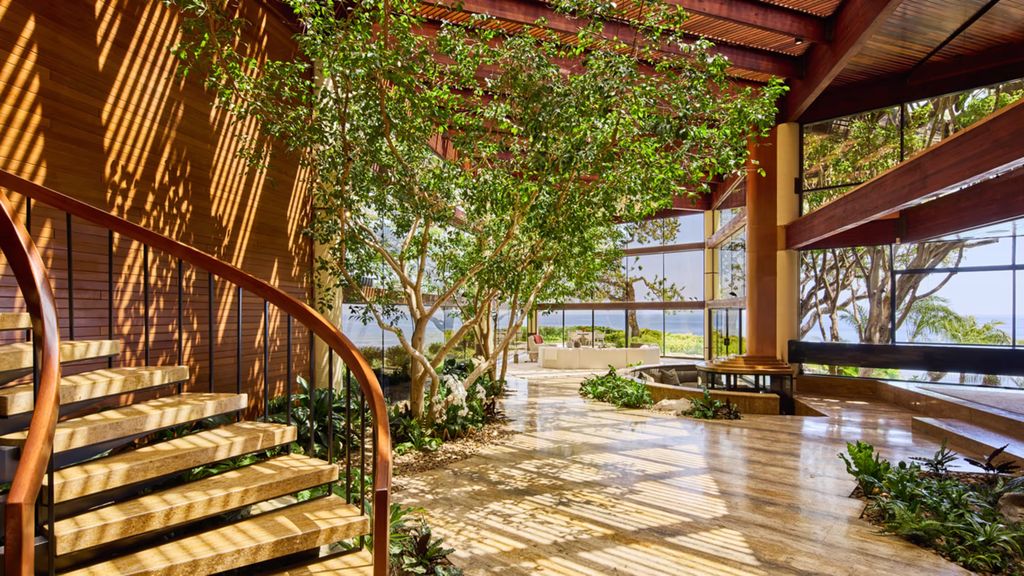
The growing popularity of biophilic luxury homes is not simply a design trend—it is rooted in science and evolving lifestyle priorities. Research has consistently shown that exposure to natural light, plant life, and organic textures can reduce stress, improve focus, and enhance overall well-being. For high-net-worth individuals whose lives are often fast-paced and high-pressure, these benefits have become essential rather than optional.
In response, architects and developers are reimagining residential design. Greenhouse homes, a key subset of biophilic luxury homes, are being engineered with advanced climate systems, automated irrigation, and integrated lighting to sustain lush indoor environments regardless of external conditions. According to insights shared with californialuxuryhouses, this category of luxury real estate has seen increased interest since 2020, particularly in regions where seasonal weather limits outdoor living.
An Idaho Sanctuary Built Around an Indoor Garden
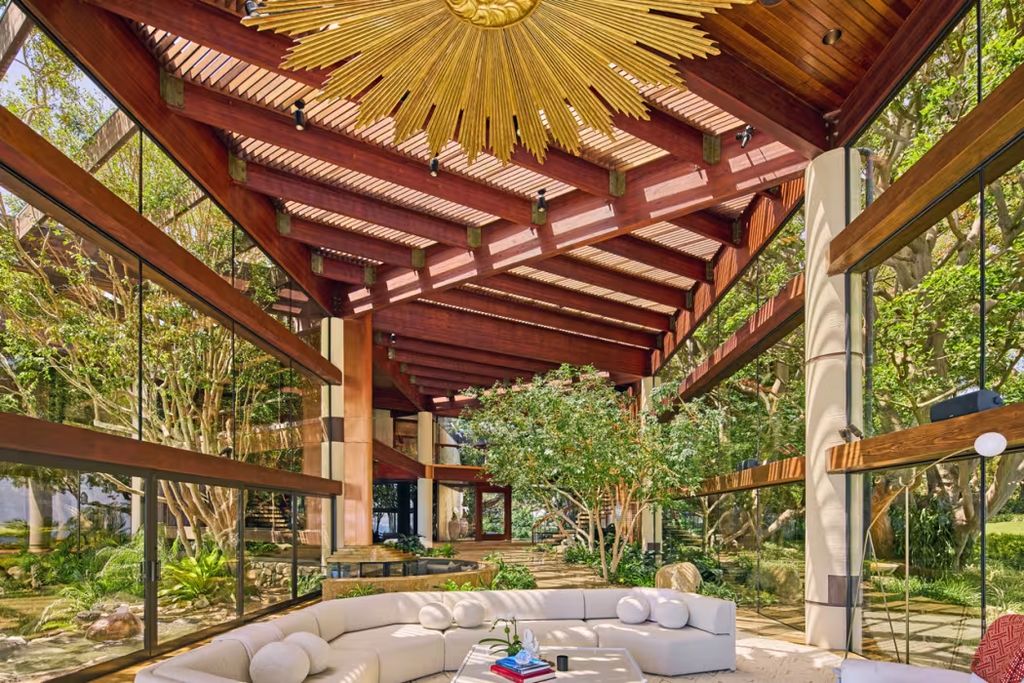
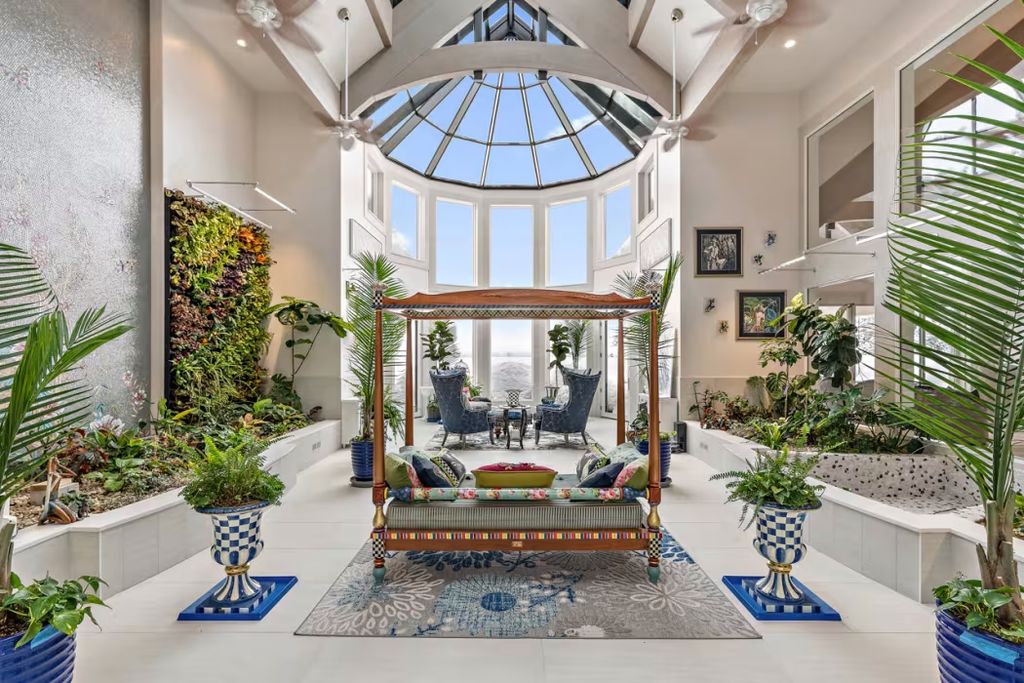
A striking example of biophilic luxury homes can be found in McCall, Idaho, where a custom-built residence completed in 2022 places a fully realized greenhouse at its core. Spanning approximately 13,232 square feet, the home is currently listed for $11.95 million and represents a seamless fusion of architecture and nature.
Designed for homeowners who relocated from Southern California, the property was conceived as a way to preserve their connection to lush landscapes despite Idaho’s long winters. At the center of the residence lies a temperature-controlled atrium that remains at approximately 70 degrees year-round. This indoor garden functions as both a visual focal point and an emotional refuge, featuring rotating seasonal plants, a handcrafted mosaic centerpiece, and integrated irrigation systems that simplify maintenance.
“This is what biophilic luxury homes are all about—creating a space that evolves with its owner,” a broker familiar with the property explained to californialuxuryhouses. “The greenhouse isn’t just an amenity; it’s a living, breathing part of the home.”
The surrounding McCall community enhances the property’s appeal, offering a blend of natural beauty and refined living. Residents enjoy access to skiing, lakefront recreation, boutique shopping, and a growing selection of upscale dining options, all within a setting that prioritizes privacy and tranquility.
A Malibu Estate Where Architecture Meets an Indoor Forest
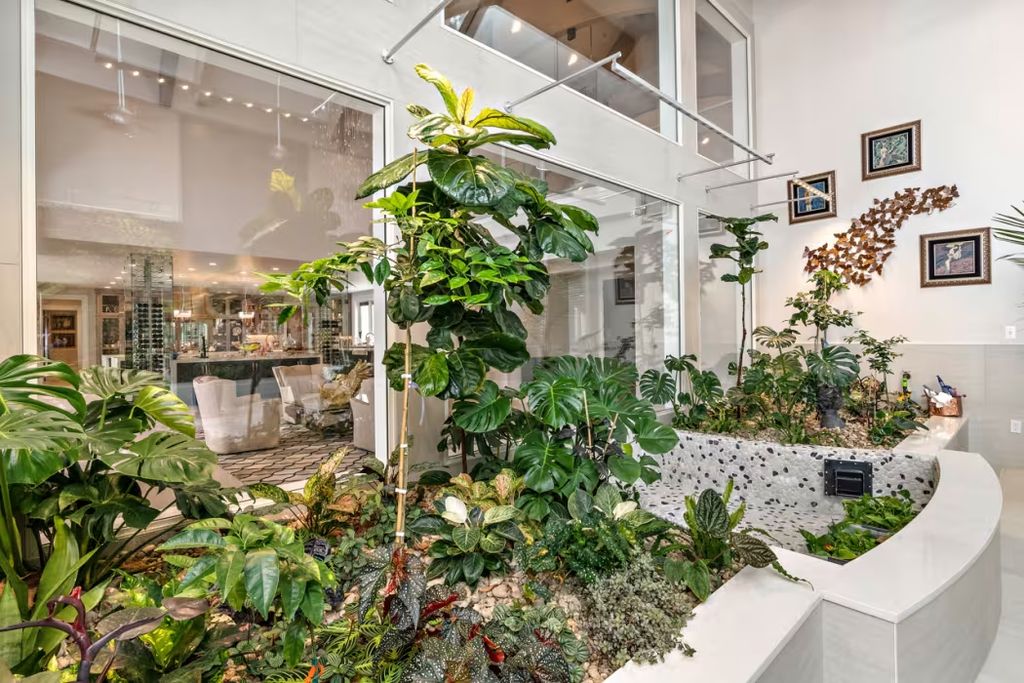
At the pinnacle of the market, biophilic luxury homes take on an even more dramatic form. In Malibu, a legendary estate once owned by Johnny Carson exemplifies how greenhouse living can be elevated into an architectural masterpiece. Built in 1980 and set on approximately four acres in the exclusive Point Dume enclave, the property is currently listed for $110 million.
Designed by architect Edward R. Niles, the residence is centered around a breathtaking indoor arboretum filled with mature trees and framed by soaring glass walls. This expansive atrium serves as the primary living and entertaining space, blurring the boundaries between interior and exterior environments. Sliding glass panels open to reveal terraces, koi ponds, and sweeping views of the Pacific Ocean, creating a seamless transition between natural and built elements.
Historical records indicate that Carson purchased the estate in 1984 for approximately $9 million, adding a layer of cultural significance to its already remarkable design. “This is one of the most iconic examples of biophilic luxury homes in the United States,” the listing agent told californialuxuryhouses. “It offers an experience that goes far beyond traditional luxury.”
Malibu itself remains one of the most desirable real estate markets in the world, known for its privacy, celebrity ownership, and proximity to fine dining, high-end boutiques, and pristine beaches. For buyers seeking greenhouse homes at the highest level, this estate represents a rare and irreplaceable opportunity.
A Sicilian Estate Where Greenhouse Living Becomes Art
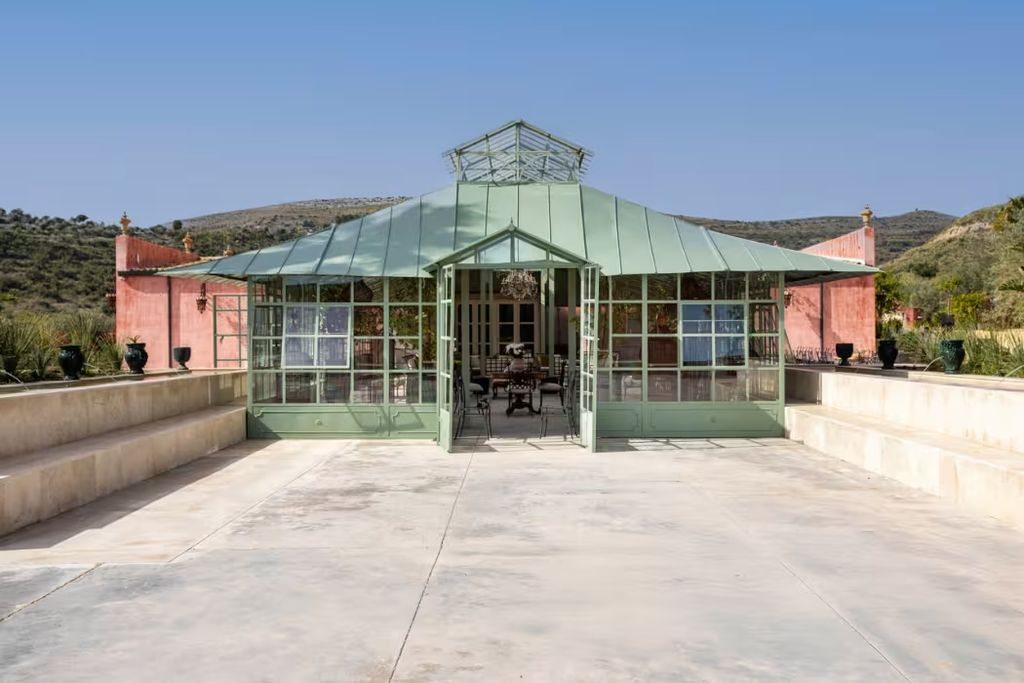
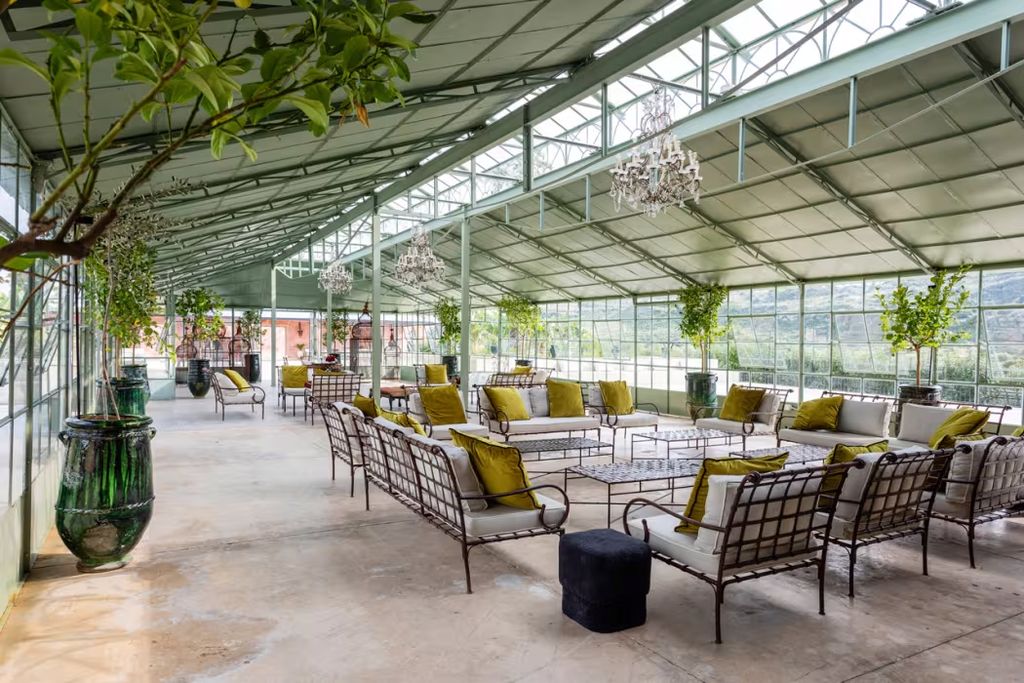
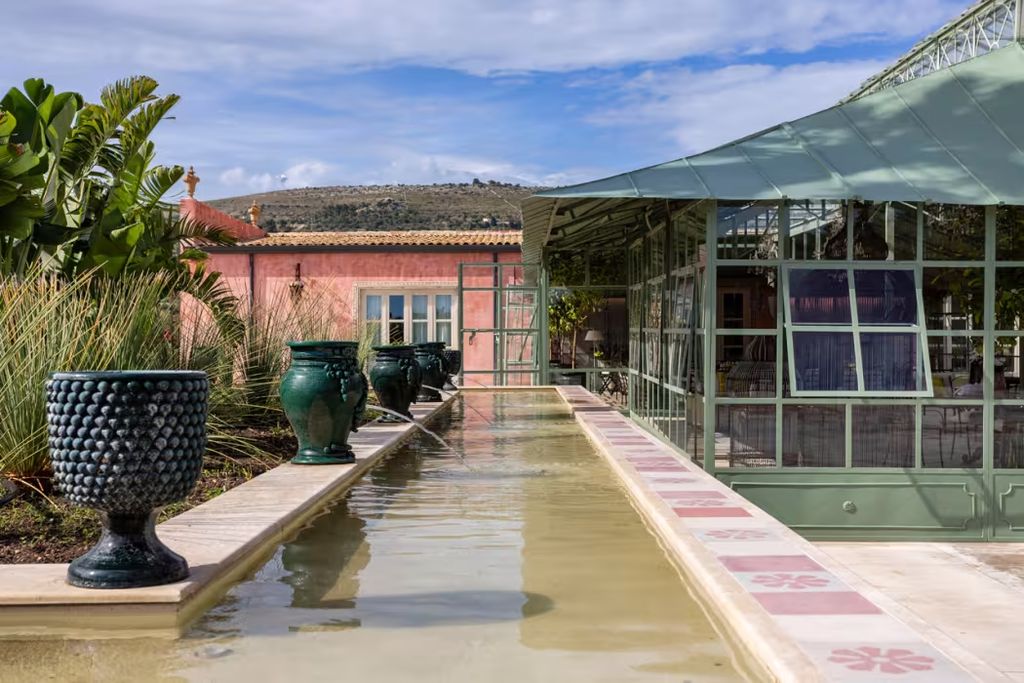
The appeal of biophilic luxury homes extends far beyond the United States. In Noto, Sicily, a meticulously restored 19th-century estate demonstrates how greenhouse living can be integrated into historic architecture. Spanning nearly 10 acres, the property features a central glasshouse designed as a flexible space for gatherings, artistic expression, and daily living.
With approximately 11,840 square feet of interior space, including 13 bedrooms and 17 bathrooms, the estate is currently listed for €6.8 million (approximately $8.13 million). The greenhouse serves as the heart of the home, capable of hosting up to 250 guests while maintaining an intimate connection to the surrounding landscape.
“The vision behind this property aligns perfectly with the philosophy of biophilic luxury homes,” a representative involved in the listing shared with californialuxuryhouses. “It’s about creating a space where people can gather, connect, and feel inspired by their environment.”
Once in a state of neglect, the estate has been transformed into a vibrant cultural hub, attracting artists, filmmakers, and creatives from around the world. Its restoration story adds depth and authenticity, qualities that are increasingly valued in the luxury real estate market.
Transaction History and Market Significance
Understanding the value of biophilic luxury homes also requires examining their transaction history and long-term appeal. Properties that integrate nature into their design often command premium pricing due to their uniqueness and the complexity of their construction. The Malibu estate’s appreciation from approximately $9 million in 1984 to its current $110 million listing highlights the enduring demand for architecturally significant homes.
Similarly, newly constructed greenhouse homes, such as the Idaho residence built in 2022, reflect the growing willingness of buyers to invest in properties that prioritize wellness and sustainability. According to industry professionals who spoke with californialuxuryhouses, these homes tend to attract a niche but highly motivated segment of buyers willing to pay a premium for distinctive living experiences.
Why Greenhouse Homes Represent the Future of Luxury
The rise of biophilic luxury homes signals a broader transformation in how luxury is defined. Today’s buyers are no longer satisfied with opulence alone—they are seeking environments that support mental clarity, physical health, and emotional balance. Greenhouse homes, with their integration of natural elements and advanced technology, are uniquely positioned to meet these expectations.
californialuxuryhouses reached out to several architects and developers working on similar projects to gain deeper insight into this trend, though many declined to comment publicly. This level of discretion underscores the exclusivity of biophilic luxury homes, which often exist outside the traditional real estate market.
As the demand for wellness-oriented living continues to grow, it is likely that greenhouse-style residences will become an increasingly prominent segment of the luxury market. These homes offer not just a place to live, but a way to live—one that prioritizes harmony, sustainability, and a meaningful connection to the natural world.
A Living Evolution of High-End Real Estate
Biophilic luxury homes are more than a passing trend; they represent a fundamental shift in architectural philosophy and buyer expectations. Whether it is a snow-covered retreat with a year-round indoor garden, a Malibu estate with a private arboretum, or a historic Sicilian compound reimagined through glass and light, these properties embody a new standard of living.
In a world where time and tranquility have become the ultimate luxuries, greenhouse living offers something truly rare—a home that feels alive.