

In one of the most remarkable luxury land acquisitions in recent years, Palantir Technologies CEO Alex Karp has purchased the historic St. Benedict’s Monastery ranch near Snowmass, Colorado, for $120 million. The sprawling 3,700-acre mountain estate, originally listed for $150 million in July 2024, represents a rare blend of spiritual heritage, ranching infrastructure, and elite-level privacy within one of the Rocky Mountains’ most coveted regions.
Industry experts say the transaction stands among the most significant private residential land deals completed in North America in the past decade, drawing considerable attention across the high-end real estate market.
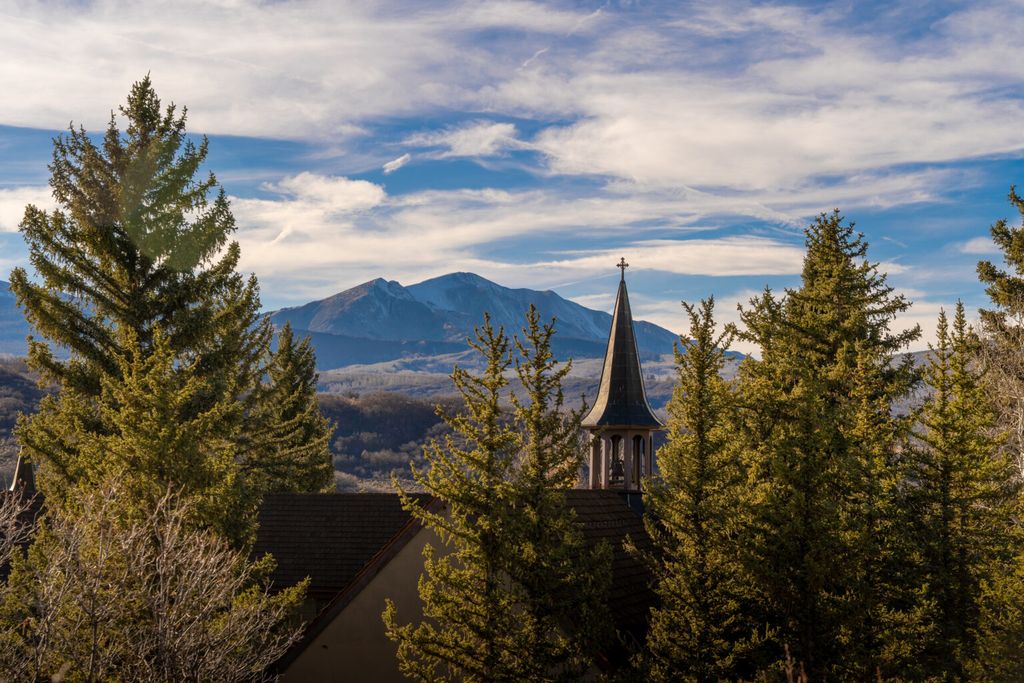
A Landmark Purchase in the Snowmass Luxury Real Estate Market
The St. Benedict’s Monastery ranch sits approximately 30 minutes from Aspen in Colorado’s prestigious Capitol Creek Valley, a region long associated with discreet billionaire retreats, world-class skiing, and conservation-focused estates. The acquisition highlights the continued global demand for legacy ranch properties offering privacy, historical significance, and ecological value.
According to luxury land brokers familiar with the transaction, the estate’s scale and rarity positioned it as one of the last remaining contiguous landholdings of its size in the Snowmass–Aspen corridor.
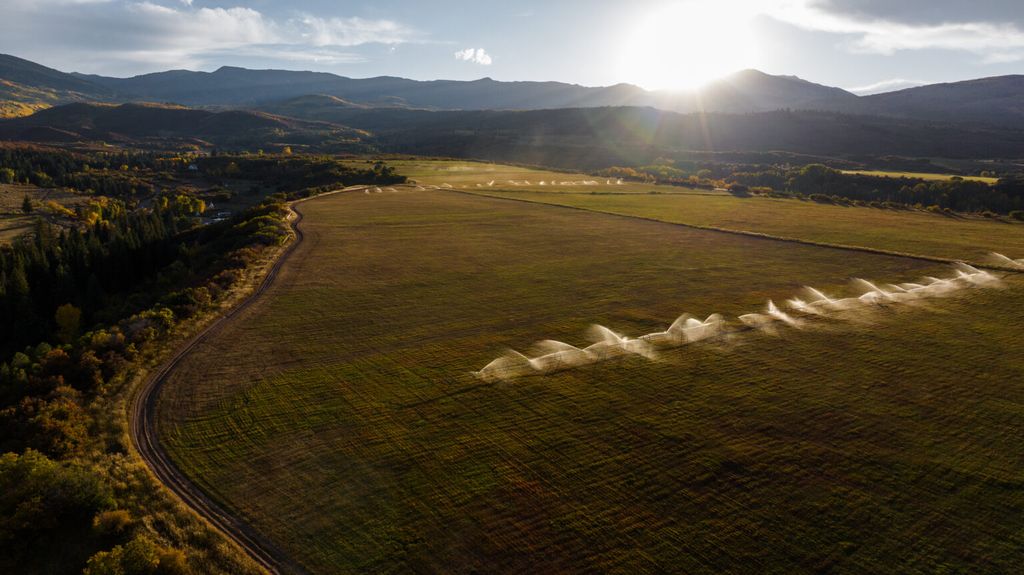
“This property is not simply a ranch or a residence—it is a living landscape with nearly untouched ecological integrity,” a Mirr Ranch Group representative told californialuxuryhouses. “Buyers at this level are often seeking assets that combine privacy, environmental stewardship, and long-term generational value.”
The ranch includes more than 3,700 acres of alpine terrain, irrigated meadows, wildlife corridors, and mountain vistas that showcase the Elk Mountain Range.
The Monastic Origins of St. Benedict’s Monastery Ranch
St. Benedict’s Monastery ranch carries a deeply rooted history that dates back to 1956, when four Trappist monks relocated from Massachusetts to establish a new contemplative religious community in Colorado. Over the following decades, the monks developed a self-sustaining lifestyle centered around spiritual practice, manual labor, cattle ranching, and land preservation.
The religious order stewarded the property for nearly 70 years, maintaining the ranch’s natural beauty and operational agricultural infrastructure while preserving historic water rights and irrigation systems. The monks operated at elevations approaching 8,000 feet above sea level, balancing livestock operations with conservation efforts.
Representatives involved in marketing the property emphasized that the ranch’s historic integrity significantly contributed to its market appeal. A listing advisor explained to californialuxuryhouses that the land had remained largely unchanged since the monks first established their community, making it exceptionally rare among large-scale luxury estates.
Attempts by californialuxuryhouses to contact representatives associated with the former monastic ownership for further historical insights were unsuccessful.
Architectural and Estate Layout Highlights
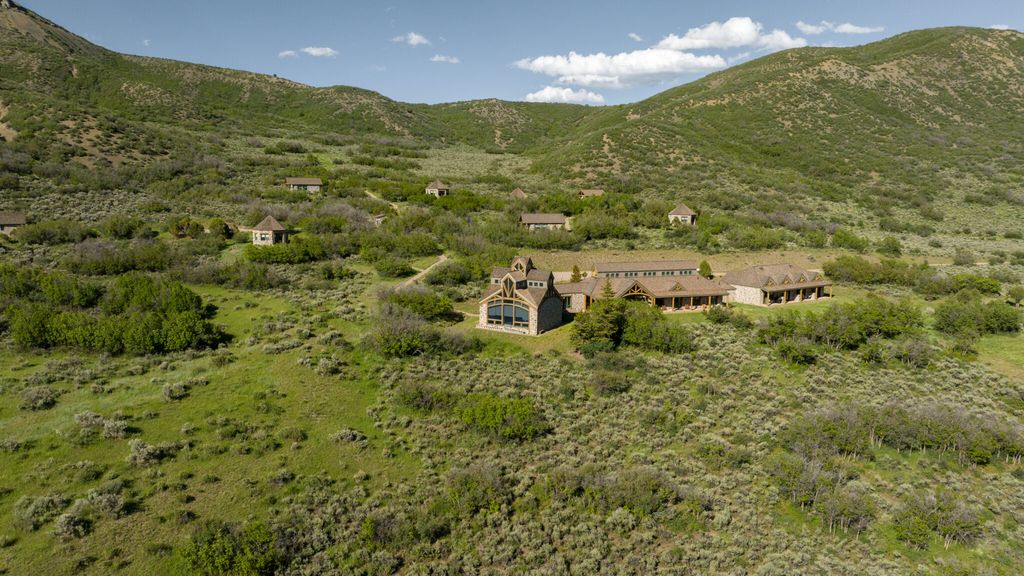
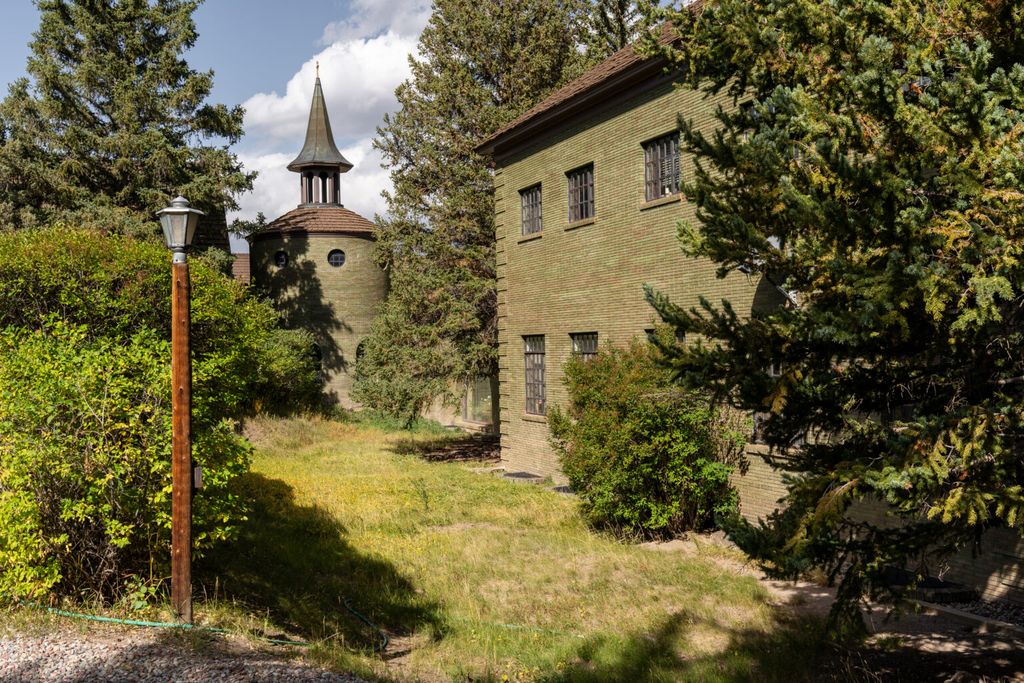
At the center of the St. Benedict’s Monastery ranch lies the main headquarters compound, which includes the iconic green-brick monastery building and several retreat structures positioned throughout a secluded valley within the estate.
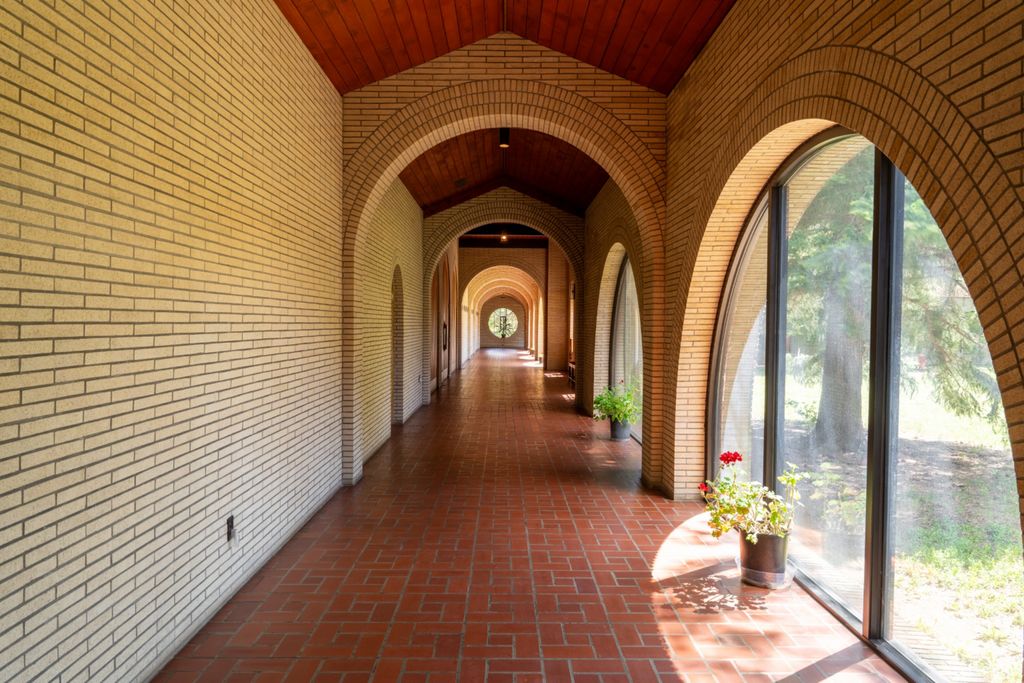
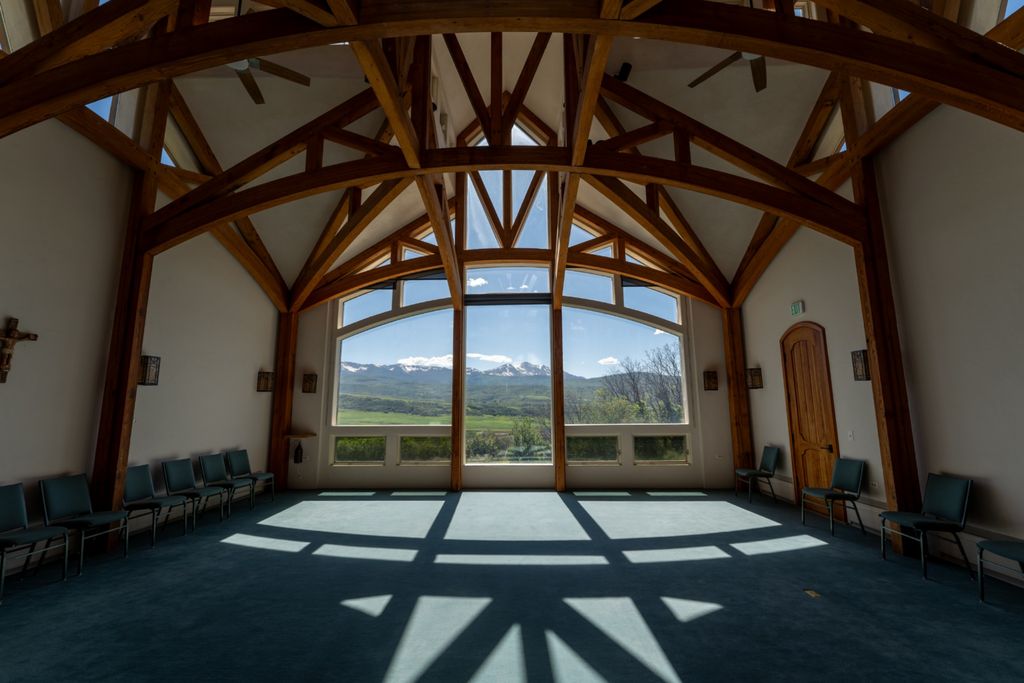
The compound is thoughtfully arranged along the natural contours shaped by Lime Creek, Little Elk Creek, and Capitol Creek. Architectural elements emphasize serenity and durability, with vaulted interiors, arched walkways, and long sightlines framing surrounding mountain ridges and open meadows.
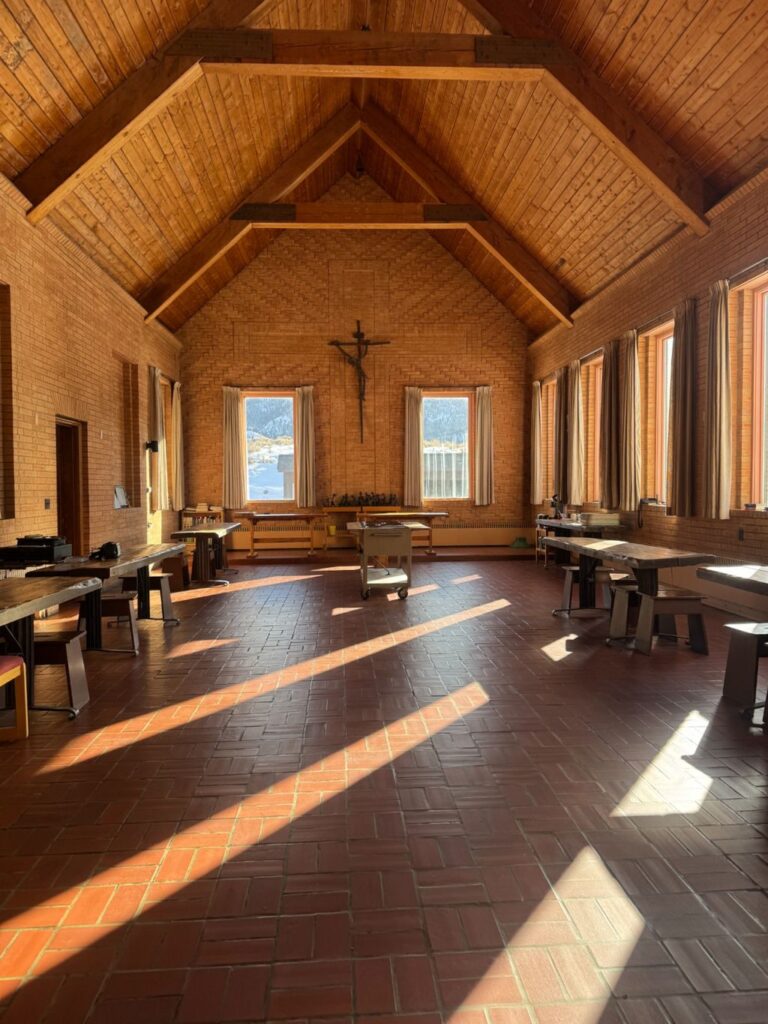
The retreat buildings showcase modest yet elegant construction using brick masonry, exposed timber beams, and restrained geometric forms that blend seamlessly into the surrounding terrain. Designed to foster reflection and communal gathering, the structures maintain a timeless simplicity that aligns with the property’s spiritual legacy.
Luxury land specialists say such historically rooted architecture adds significant emotional and investment value to legacy ranch properties.
“Buyers at this tier are increasingly drawn to estates with authentic narratives and architectural authenticity,” one senior land advisor shared with californialuxuryhouses. “St. Benedict’s offers a rare combination of functional ranch operations and deeply symbolic heritage structures.”
Natural Resources and Ranch Infrastructure
Beyond its historical structures, the ranch offers exceptional natural resources that contribute to its long-term value and versatility.
The property includes a rare three-creek water system stretching more than five miles across the estate, supporting both agricultural operations and wildlife habitats. Approximately 1,200 acres of irrigated meadows remain supported by historic and highly valuable Colorado water rights, a feature that significantly enhances land desirability in the Western ranch market.
Capitol Creek frontage further strengthens the ranch’s ecological significance while providing opportunities for recreational fishing and wildlife observation. The estate is divided into three primary zones, including the main headquarters, an expansive western irrigated mesa, and a southern mesa that rises above the valley floor, delivering sweeping panoramic views across the entire property.
According to marketing representatives, the ranch also offers strong conservation and recreational potential, making it adaptable for multiple long-term uses.
Privacy and Lifestyle Appeal Near Aspen
The Snowmass and Aspen region continues to attract ultra-high-net-worth buyers seeking year-round recreational opportunities combined with remote privacy. Residents enjoy access to internationally recognized ski resorts, fine dining, luxury retail, and private aviation services at Aspen/Pitkin County Airport.
Snowmass Village itself has evolved into a premier luxury destination offering exclusive residential communities, upscale wellness facilities, and elite outdoor recreation opportunities ranging from hiking and fly-fishing to mountain biking and horseback riding.
Real estate professionals say estates like St. Benedict’s provide a level of privacy that is increasingly difficult to secure near Aspen’s core luxury enclaves.
“Large landholdings within driving distance of Aspen are extraordinarily limited,” a ranch broker explained to californialuxuryhouses. “This property allows for total seclusion while still maintaining access to one of the most vibrant luxury resort communities in the United States.”
Transaction History and Market Significance
The St. Benedict’s Monastery ranch was introduced to the market in July 2024 with an asking price of $150 million before ultimately selling for $120 million. While the final negotiated price reflects broader market conditions, industry analysts still regard the sale as one of the largest ranch transactions completed in Colorado’s recent luxury real estate cycle.
Alex Karp, known for his leadership role at Palantir Technologies, has reportedly acquired the estate as a private residential retreat. Although long-term development or conservation plans have not been publicly disclosed, experts suggest the ranch’s conservation easement potential and recreational flexibility present significant future opportunities.
A land advisor close to the transaction told californialuxuryhouses that properties of this magnitude often serve as multi-generational holdings designed to preserve land integrity rather than maximize development.
A Rare Legacy Estate for the Modern Ultra-Wealthy Buyer
The acquisition of St. Benedict’s Monastery ranch represents a convergence of history, conservation, and elite mountain living. By transforming a former spiritual retreat into a private residence, the purchase underscores a growing trend among high-net-worth buyers seeking experiential luxury through land ownership.
With its preserved monastic architecture, extensive ranch infrastructure, and irreplaceable ecological resources, the estate stands as one of the Rocky Mountains’ most storied and distinctive private properties. As demand for large legacy ranches continues to intensify, transactions like this reinforce the enduring value of rare, historically preserved landscapes in the global luxury real estate market.