
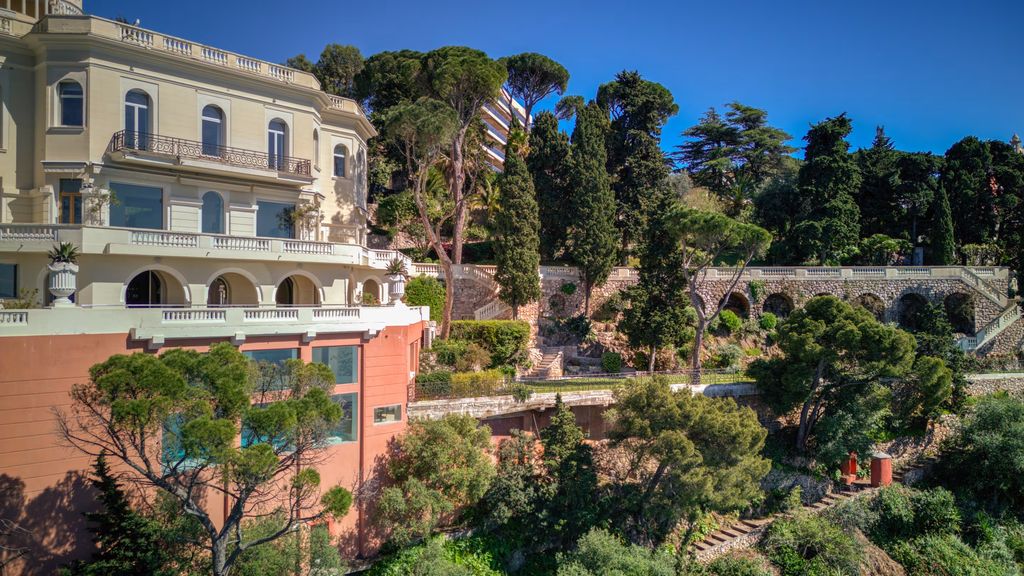
Villa Le Roc Fleur is a historic Art Deco estate in Nice, France, that was once owned by Sean Connery and later became part of Bond film history through its appearance in Never Say Never Again. The French Riviera property has now returned to the market with a revised asking price of €18.5 million.
For some celebrity residences, ownership history eventually becomes a detail hidden within sales records and archived photographs. Villa Le Roc Fleur has followed a different path. Decades after Sean Connery lived there, the property remains closely associated with both the actor and the cinematic identity that transformed him into one of the most recognizable faces in film history.
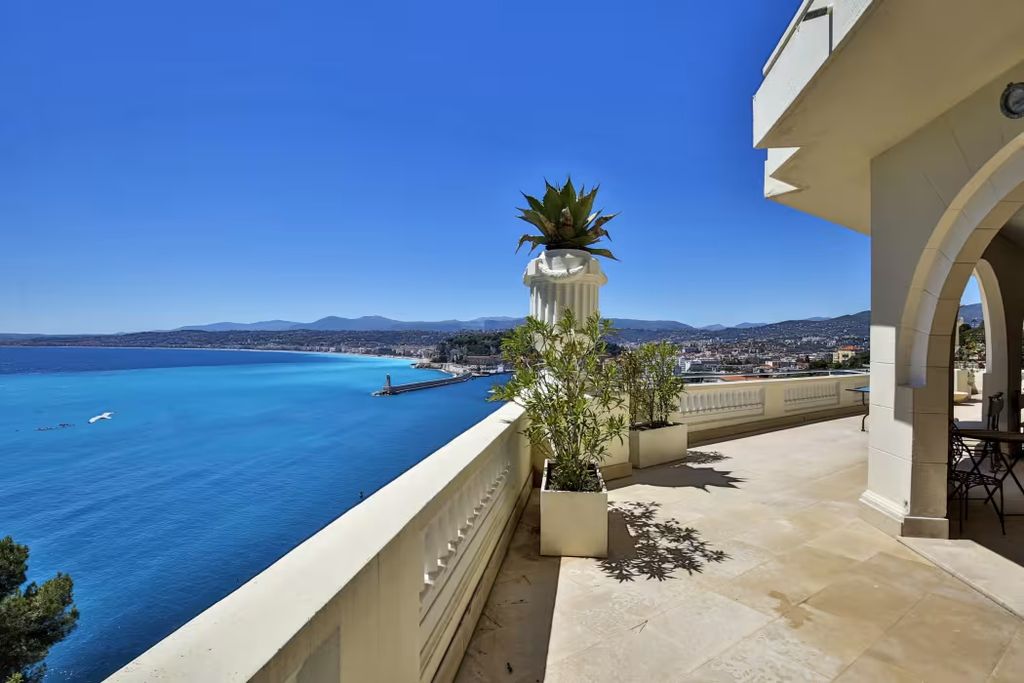
Positioned above the Mediterranean shoreline at the foot of Mont Boron in Nice, Villa Le Roc Fleur recently re-entered the market after previously appearing with asking prices reported at €30 million and later €23.5 million. The updated pricing appears to reflect broader market adjustments taking place within portions of the ultra-prime sector, where trophy properties often undergo repositioning before attracting the next buyer.
The History Behind Villa Le Roc Fleur and Sean Connery’s Ownership
Long before Villa Le Roc Fleur became known as the James Bond House, the property had already established itself as a recognizable architectural presence along the Côte d’Azur. Constructed in 1930, the residence emerged during a period when Art Deco influences increasingly shaped parts of the Riviera landscape.
During the 1970s and 1980s, Villa Le Roc Fleur belonged to Sean Connery and his wife Micheline Roquebrune. Roquebrune, a French artist born in Nice, reportedly maintained strong ties to the area, helping establish the Riviera as an important location in the couple’s life beyond film production schedules and international travel.
Luxury Houses reviewed publicly available information surrounding Villa Le Roc Fleur and found that details regarding the current ownership structure remain undisclosed. Available reports indicate that recent ownership periods involved substantial renovation efforts designed to update technical systems and contemporary living spaces while preserving many architectural elements associated with the property’s earlier decades.
Rather than transforming Villa Le Roc Fleur into an entirely modern structure, the renovation strategy appears to have focused on balancing preservation and modernization. That approach increasingly resonates within luxury markets where historical character often carries value beyond aesthetics alone.
Why Villa Le Roc Fleur Became Known as the James Bond House
Villa Le Roc Fleur developed a unique identity because of its direct connection to both Sean Connery and the Bond franchise itself.
The residence appeared in Never Say Never Again, the 1983 production that marked Connery’s seventh and final portrayal of the fictional British secret agent. Unlike homes that later adopt celebrity associations through marketing language, Villa Le Roc Fleur became part of the cinematic narrative itself.
The property’s relationship with the Bond universe extends beyond film credits. For many local residents and international observers, Villa Le Roc Fleur remains more widely recognized by its informal nickname than by its official title. Decades after filming concluded, the identity attached to the residence continues influencing public perception and market interest.
Celebrity homes frequently derive temporary value from famous ownership, yet certain properties continue maintaining relevance long after the original owners depart. Villa Le Roc Fleur appears to belong to that smaller category.
Inside Villa Le Roc Fleur’s Art Deco Architecture and Mediterranean Design
Spanning more than 10,000 square feet, Villa Le Roc Fleur retains many details dating back to its original construction period.
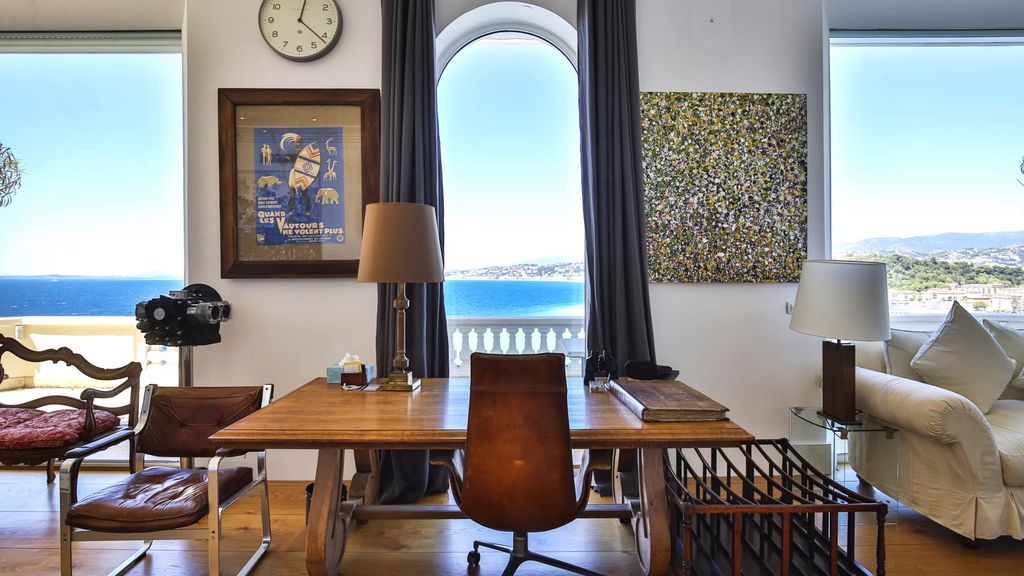
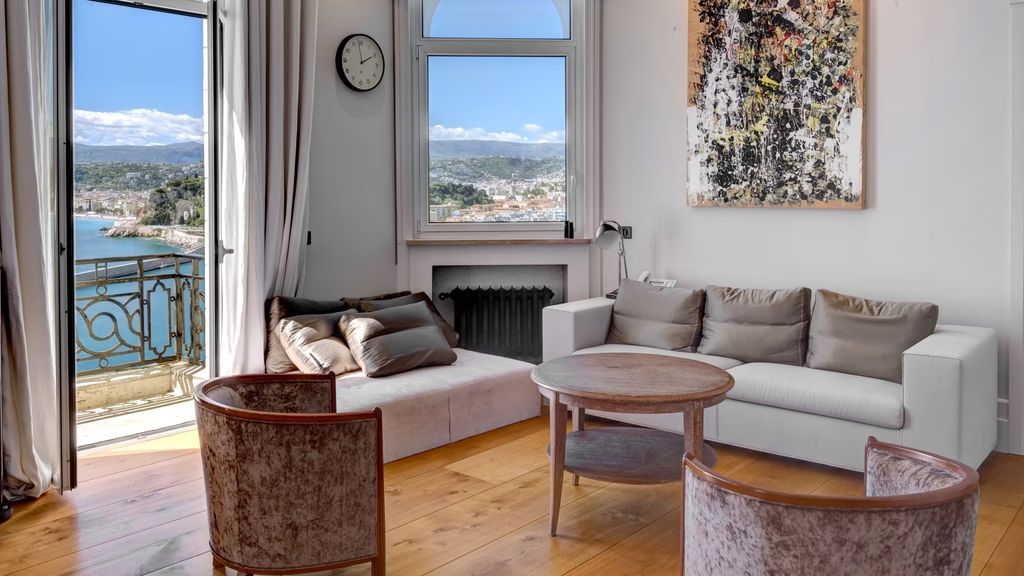
Interior spaces feature preserved mosaic inlays, decorative wood paneling, wrought-iron banisters and ornamental ceiling details that reinforce the home’s historic character. One particularly notable element is the original elevator cabin, which reportedly remains preserved within the property.
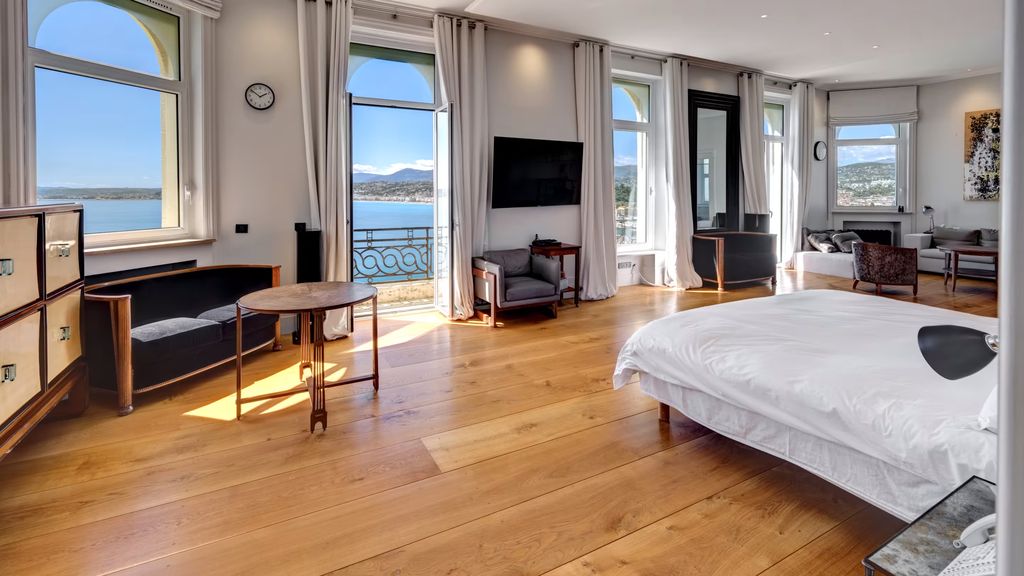
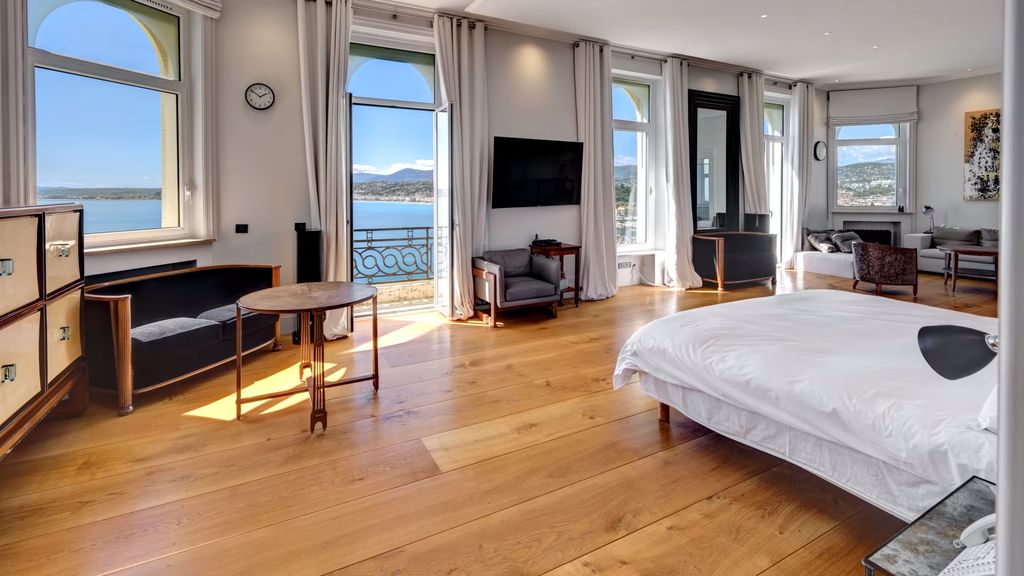
Large windows and extensive terraces establish a strong visual relationship between interior spaces and the surrounding Mediterranean landscape. Throughout Villa Le Roc Fleur, the experience appears designed around views and natural light rather than dramatic separation from the outdoors.
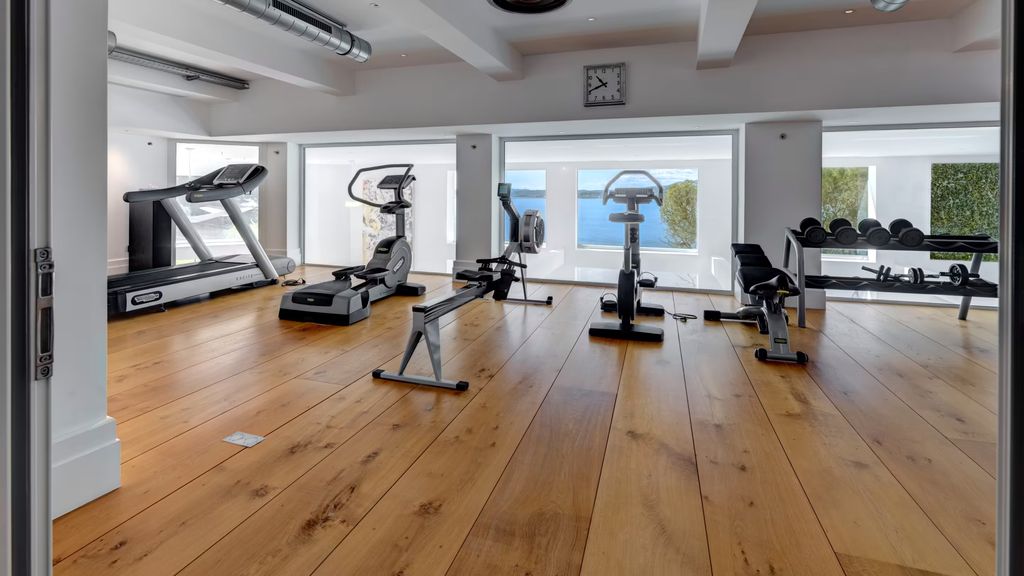
The residence also includes indoor and outdoor swimming pools together with wellness-focused spaces such as a spa, hammam and fitness areas. Entertainment amenities including a home theater and wine cellar further support contemporary luxury expectations.
Guest accommodations contribute additional flexibility to Villa Le Roc Fleur. Alongside the principal residence, the estate includes a guest house approaching 2,000 square feet and a separate caretaker apartment, creating opportunities for extended family stays or staff accommodations.
French Riviera Market Conditions and the Appeal of Mont Boron
The recent pricing adjustment attached to Villa Le Roc Fleur also reflects broader conversations surrounding luxury property activity across the Riviera.
Ultra-prime properties throughout parts of southern France frequently experience longer marketing periods compared with conventional residential inventory. Buyers operating at the highest price levels often approach acquisitions selectively, particularly when properties involve significant historical value or unique architectural identities.
Luxury Houses reviewed broader Riviera market commentary and observed that buyers increasingly prioritize properties combining lifestyle advantages with long-term prestige. Homes offering privacy, international accessibility and recognizable identities continue attracting global interest despite changing market cycles.
Location remains a significant component of Villa Le Roc Fleur’s appeal. Mont Boron occupies one of Nice’s most desirable residential areas and provides elevated views while maintaining relatively convenient access to urban amenities.
Residents can reach the Port of Nice, beach clubs, waterfront restaurants and shopping districts within short distances. The historic Old Town district offers a mix of cafés, markets and cultural destinations, while Monaco and Cannes remain accessible for additional dining, hospitality and entertainment experiences. International travel also remains convenient through Nice Côte d’Azur Airport.
For some buyers, Villa Le Roc Fleur may represent a celebrity home with cinematic history. For others, it may simply be an Art Deco estate overlooking one of Europe’s most recognizable coastlines.
For its eventual future owner, however, Villa Le Roc Fleur ultimately offers something more difficult to duplicate — a residence where architecture, cultural memory and Riviera lifestyle continue occupying the same address.