
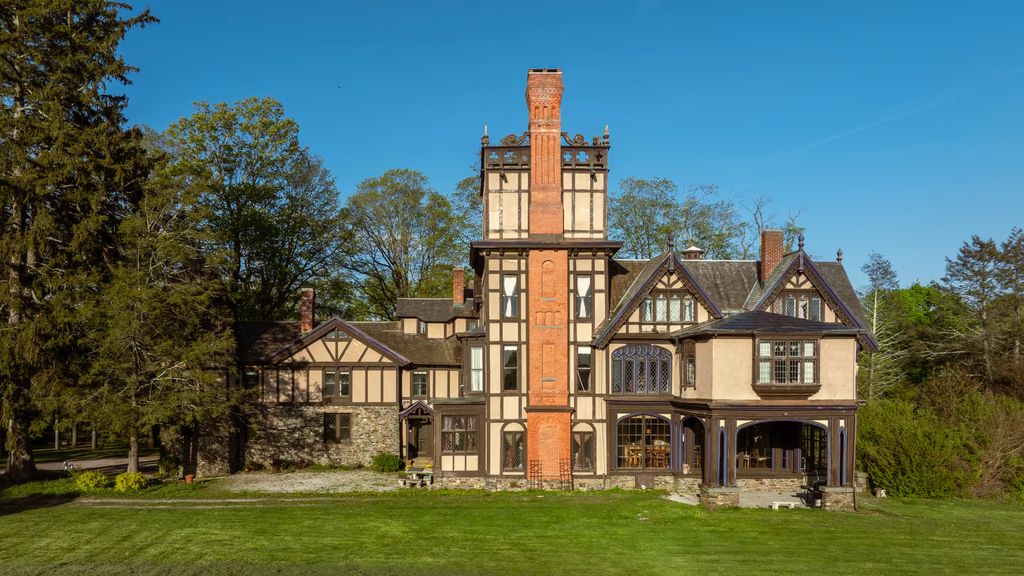
Sally Jessy Raphael’s Historic Hudson Valley Mansion Returns to the Market
A dramatic Elizabethan-style mansion tucked into New York’s Hudson Valley is once again seeking a buyer after returning to the market with a reduced $5 million asking price. Owned by legendary television host Sally Jessy Raphael, the sprawling estate known as Elmwood Farm blends Gilded Age grandeur, Gothic-inspired architecture, and centuries of regional history across more than 25 secluded acres in the Quaker Hill enclave of Pawling.
Surrounded by rolling lawns and mature trees roughly two hours north of Manhattan, the Hudson Valley mansion stands apart from many contemporary luxury listings due to its unapologetically historic character. Rather than pursuing modern minimalism, the property embraces intricate millwork, cathedral-scale interiors, carved wood detailing, and architectural elements that feel transported from another era entirely.
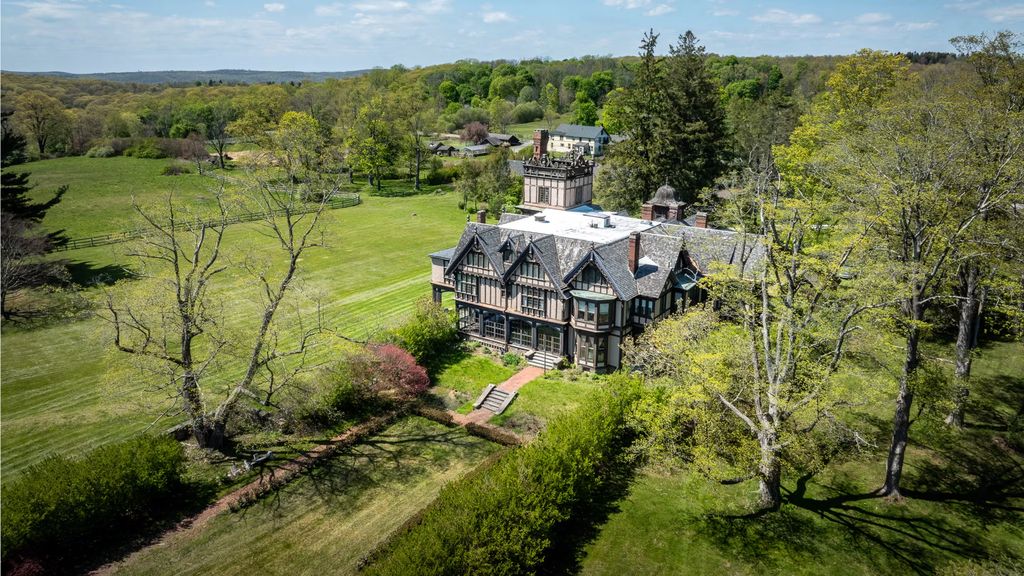
According to listing agent Jake Garay of SERHANT., Raphael spent decades carefully maintaining the property while preserving the estate’s original identity. “It really takes you back 175 or 180 years,” Garay told media outlets discussing the relisting. “It’s definitely a period piece. It’s out of that time and that era.”
californialuxuryhouses reached out for additional details regarding the television icon’s long-term stewardship of the estate, though representatives for Raphael directed inquiries back to the listing brokerage.
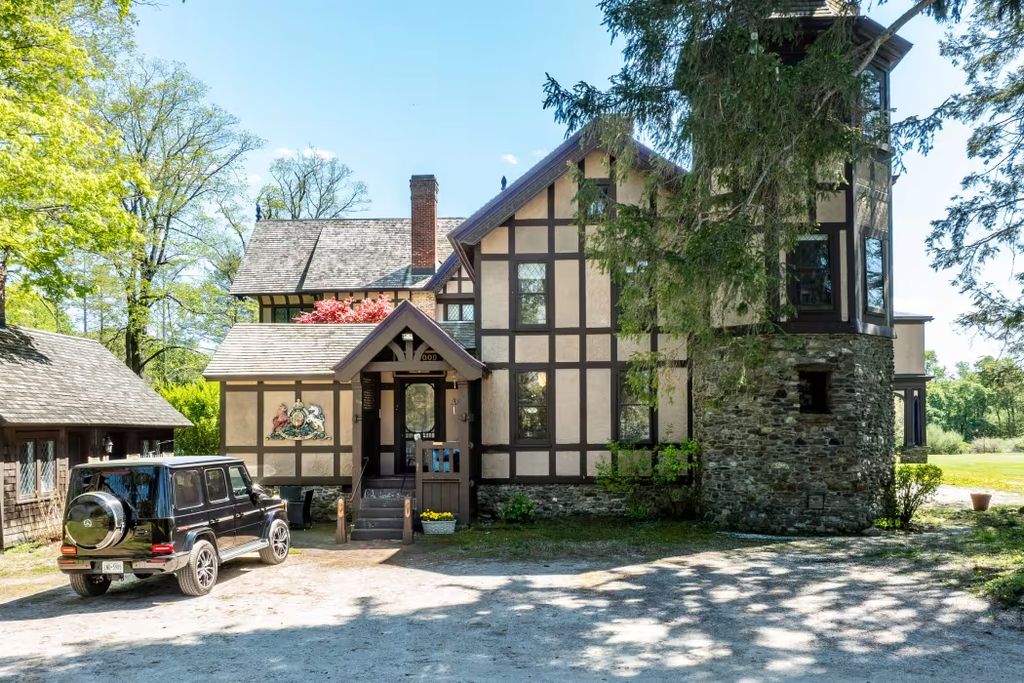
The Elizabethan-Style Mansion Has Deep Roots in Hudson Valley History
While the current mansion evolved gradually between the 1860s and early 1900s, the property’s broader history dates back to 1744, when the land operated as part of a large farming estate in Dutchess County. Historical accounts indicate the property remained within the same family for approximately nine generations before Raphael purchased the Hudson Valley mansion in 1997 for $1.725 million.
Today, Elmwood Farm spans approximately 15,000 square feet with eight bedrooms, grand entertaining halls, cathedral ceilings, 10 fireplaces, and a soaring four-story Elizabethan tower that rises above the surrounding countryside. Steeply pitched roofs and Gothic-inspired architectural detailing give the mansion an unmistakably cinematic appearance, particularly during the autumn months when the surrounding Hudson Valley foliage turns deep shades of amber and crimson.
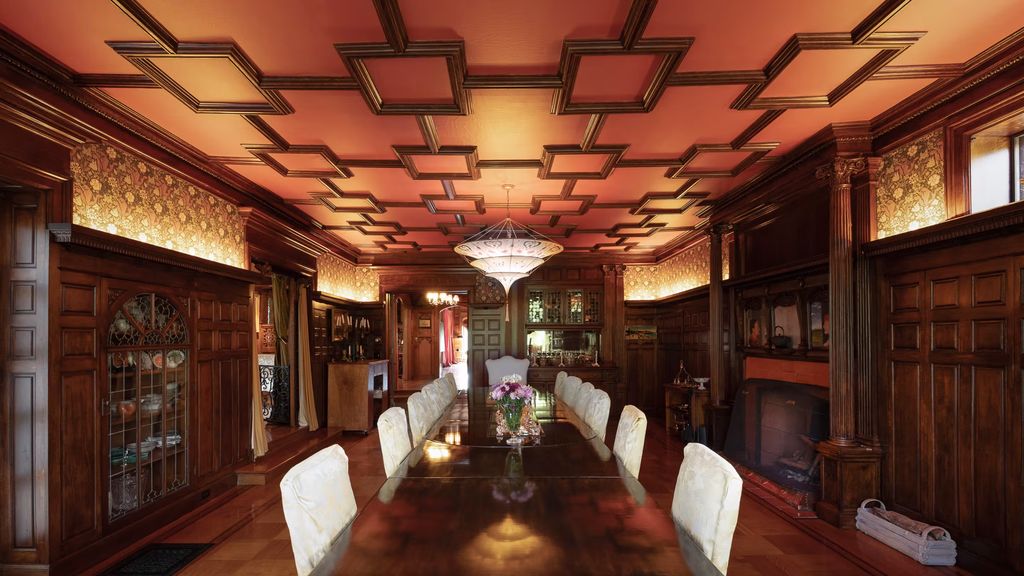
Inside, the Hudson Valley mansion retains much of its original craftsmanship. Detailed paneled ceilings, carved oak woodwork, decorative masonry, leaded glass windows, and an imposing staircase reinforce the home’s historic atmosphere. Several rooms feature proportions rarely found in modern construction, including oversized reception halls designed during an era when estates of this scale regularly hosted large social gatherings and formal entertaining.
“The craftsmanship throughout the house would be incredibly difficult to replicate today,” one luxury broker familiar with historic estates in the region told californialuxuryhouses. “You’re looking at hand-finished architectural detailing that reflects generations of artisanship.”
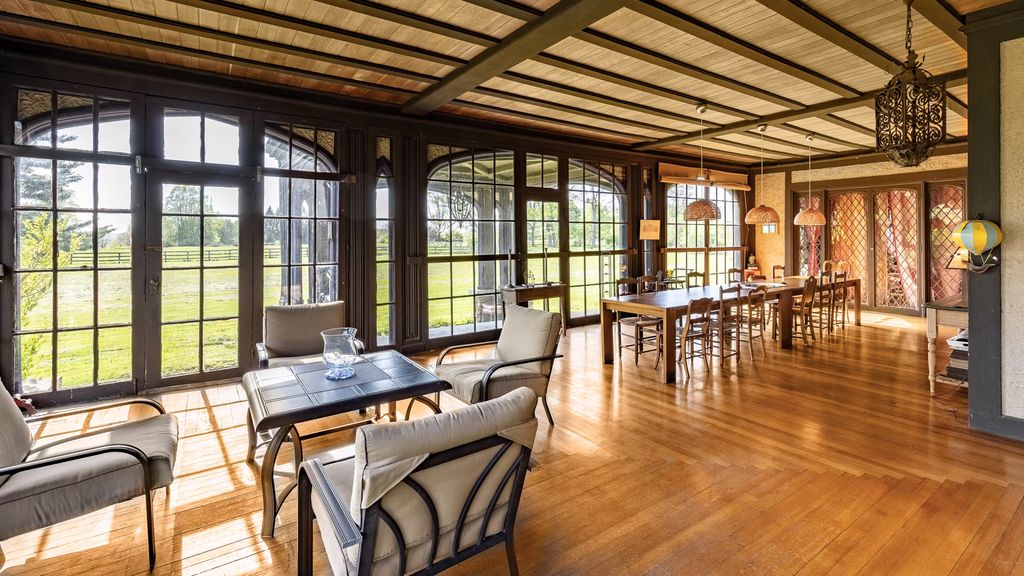
Cathedral Ceilings, a Private Chapel, and Historic Interiors Define the Mansion
Unlike many celebrity-owned homes that undergo repeated cosmetic renovations over time, the Hudson Valley mansion appears to have avoided excessive modernization. Raphael reportedly invested more than $1 million into upgrades and maintenance throughout her ownership, but much of that work focused on preservation rather than transformation.
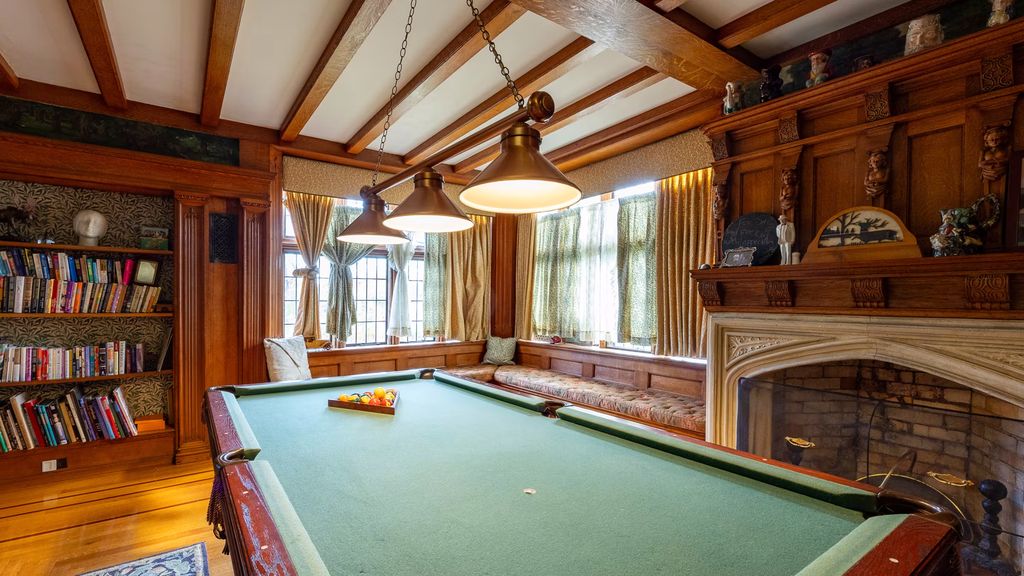
That restraint is visible throughout the residence. Cathedral ceilings and richly paneled interiors create an atmosphere reminiscent of old English manor houses, while the private chapel adds another unusual feature rarely found in residential real estate listings today. Elsewhere, the home includes a glass-paneled sunroom, multiple formal sitting areas, and a billiards room that reflects the estate’s historic entertaining culture.
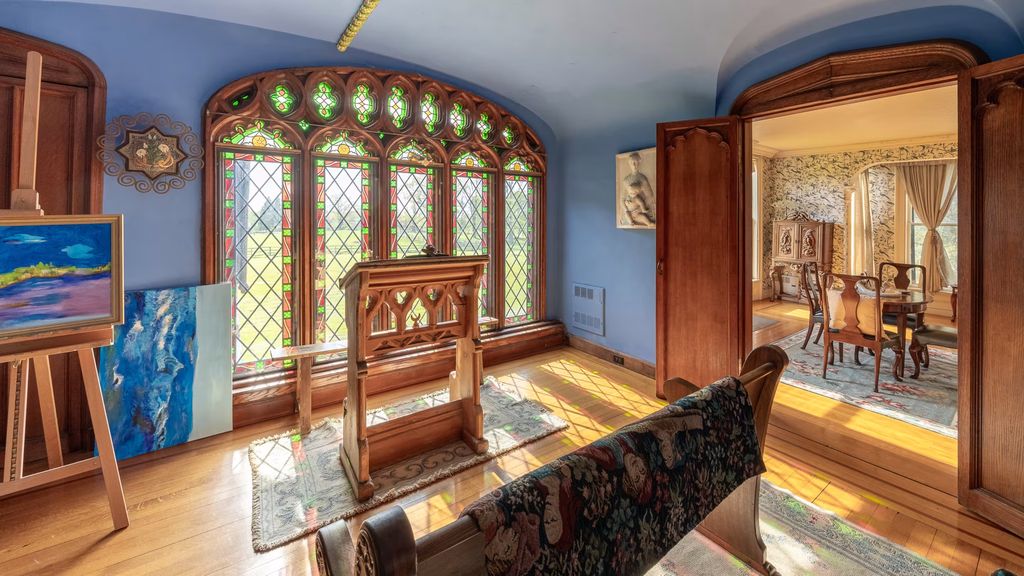
The estate’s mood shifts noticeably depending on the weather. On overcast afternoons, the Gothic spires and dark timber framing give the property an almost storybook-like atmosphere, while bright summer mornings soften the architecture beneath natural Hudson Valley light filtering through mature trees surrounding the grounds.
One representative associated with the listing told californialuxuryhouses that prospective buyers have responded strongly to the property’s authenticity. “People walk in and immediately realize this isn’t something you could recreate,” the representative explained. “It has a sense of permanence that newer luxury homes often struggle to capture.”
Extensive Grounds and Equestrian Amenities Add to the Estate’s Appeal
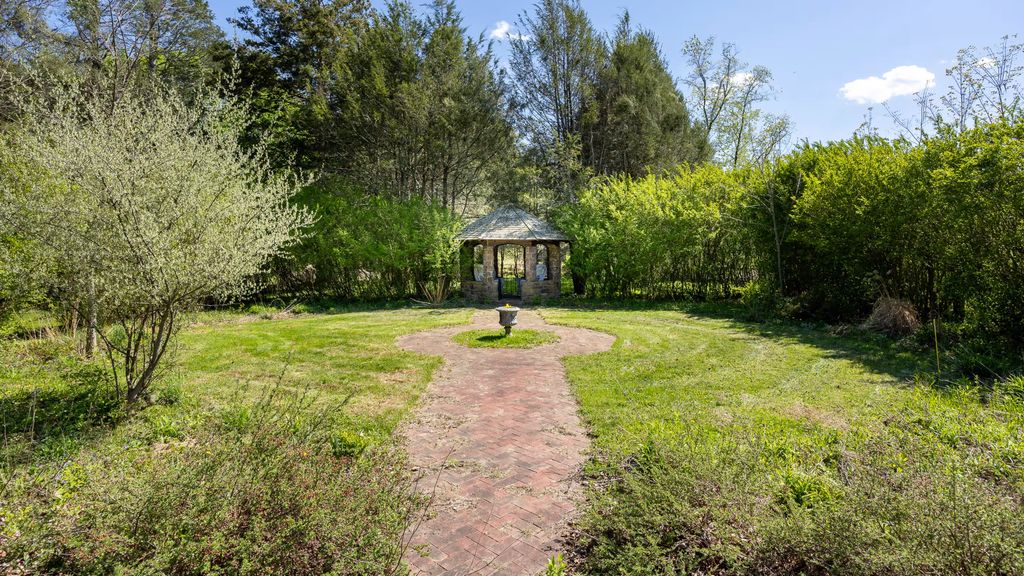
Beyond the main residence, the Hudson Valley mansion includes an extensive collection of secondary structures spread throughout the 25.5-acre property. These include two caretaker residences, staff quarters, a carriage house converted into guest and entertainment space, a greenhouse, and a yoga studio positioned within the estate grounds.
Perhaps most notable is the property’s 12,000-square-foot stable building, which features wood-paneled interiors and reflects the region’s long-standing equestrian culture. Quaker Hill and nearby portions of Pawling have historically attracted horse owners, preservation-minded buyers, and wealthy New Yorkers seeking rural retreats within driving distance of Manhattan.
There is also an older swimming pool on the property that reportedly requires restoration. However, brokers familiar with historic estate buyers note that many purchasers in this category often prioritize land, architectural pedigree, and long-term preservation potential over turnkey perfection.
Luxury real estate agents operating throughout the Hudson Valley say demand for historically significant estates has remained relatively strong despite broader volatility across national luxury housing markets. Wealthy buyers increasingly appear drawn toward properties offering privacy, acreage, and distinctive architectural identity rather than purely contemporary construction.
Pawling and Quaker Hill Continue Attracting Luxury Buyers From New York City
Located within the village of Pawling, the Hudson Valley mansion benefits from growing interest in Dutchess County among affluent buyers seeking second homes and lifestyle-driven escapes from New York City. In recent years, the broader Hudson Valley region has experienced sustained demand fueled by remote work flexibility, wellness-focused living trends, and renewed appreciation for historic architecture.
Residents of Quaker Hill enjoy proximity to hiking trails, equestrian facilities, boutique inns, and farm-to-table dining destinations scattered throughout Dutchess County. The area also offers convenient rail access to Manhattan via Metro-North, making weekend travel relatively manageable for city-based owners.
A Hudson Valley market specialist told californialuxuryhouses that large historic estates with intact acreage have become increasingly scarce. “A lot of these properties were subdivided decades ago,” the specialist explained. “Finding one that still retains architectural integrity and this amount of land is becoming much more unusual.”
Sally Jessy Raphael’s Mansion Returns With a Reduced Asking Price
The Hudson Valley mansion was previously listed publicly in 2023 with a $6.5 million asking price before undergoing a price reduction and later being removed from the market in 2024. The property is now expected to return publicly with a revised $5 million price point.
Raphael, born Sally Lowenthal, became one of television’s most recognizable daytime personalities through her long-running talk show “Sally,” which aired for nearly two decades and earned multiple Emmy Awards. Although the television host has largely stepped away from public life in recent years, her ownership of Elmwood Farm helped preserve one of the Hudson Valley’s more architecturally distinctive private estates.
For buyers searching beyond the glass-walled contemporary homes dominating much of today’s luxury market, the Hudson Valley mansion offers something increasingly difficult to replicate: scale, craftsmanship, historical continuity, and a deeply atmospheric connection to another era of American estate living.