
John Goodman Closes Chapter on New Orleans Estate
Hollywood icon John Goodman has officially sold his historic mansion in New Orleans, located in the prestigious Garden District. The home, known as the Joseph Merrick Jones House, blends cultural heritage with timeless architecture. Goodman and his wife Annabeth Hartzog purchased the property in 1997, making it a long-time family residence and a local cultural touchstone.
Situated at 2507 Prytania Street, the property has hosted numerous celebrity gatherings over the years. Its recent sale marks the end of Goodman’s decades-long presence in the area, a departure that resonates with both local fans and architectural preservationists.
A Garden District Treasure
The Garden District is renowned for its grand oak-lined streets and antebellum mansions. Goodman’s home was no exception. With its prime location and historic pedigree, the property exemplifies what draws elite buyers and cultural enthusiasts to this New Orleans neighborhood.
Known for housing other notable figures, including authors, artists, and actors, the district remains one of the city’s most sought-after addresses. The sale further cements the area’s status as a premier destination for high-value real estate.
The Joseph Merrick Jones House
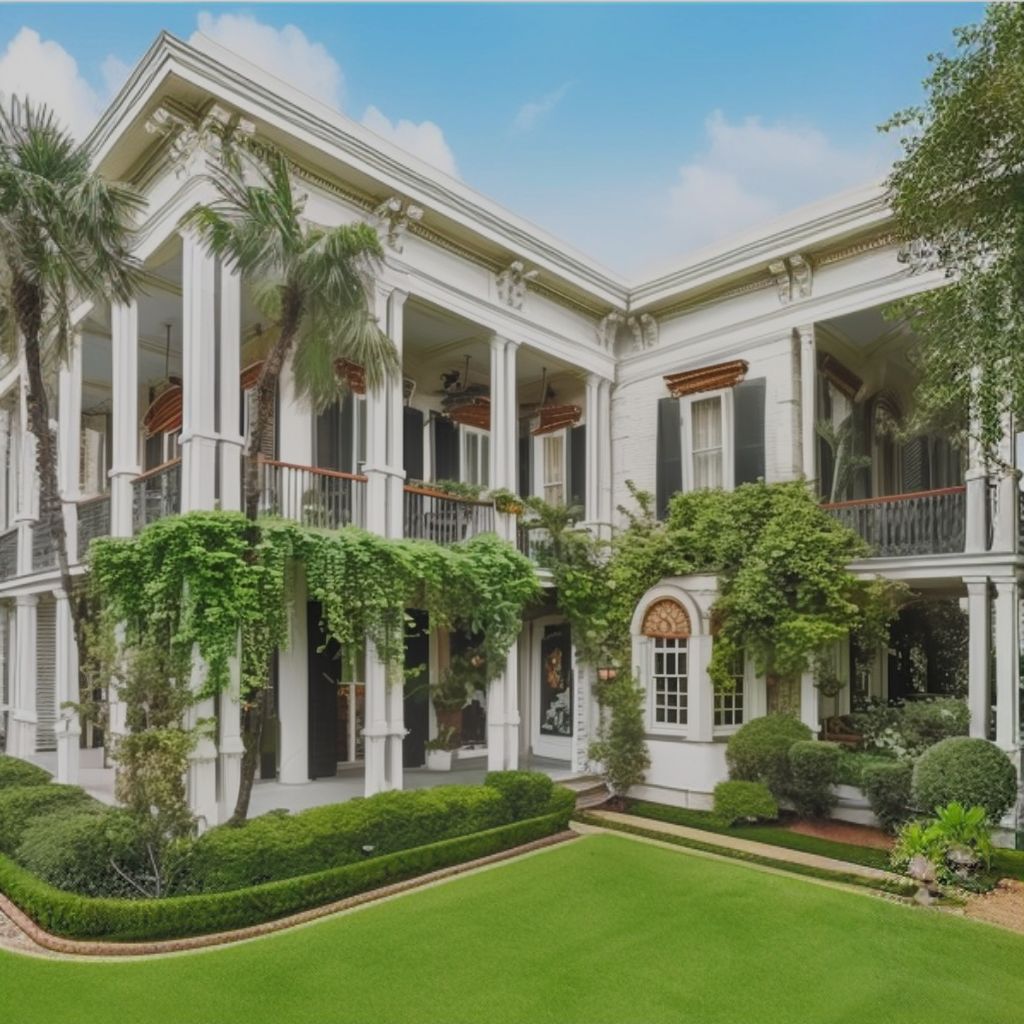
Built in the mid-19th century, the mansion is formally known as the Joseph Merrick Jones House. It has undergone extensive preservation efforts to retain its original features, including period woodwork, iron balconies, and historic details that speak to the city’s architectural legacy.
Under Goodman’s stewardship, the house was meticulously maintained, serving as a bridge between historical preservation and contemporary living. The sale hands over the keys of a genuine New Orleans landmark to a new chapter of ownership.
Italianate-Greek Revival Design
The mansion’s architectural style reflects a striking combination of Italianate and Greek Revival elements. Notable features include tall columns, intricate iron railings, and a symmetrical façade—design cues that define the grandeur of 19th-century Southern architecture.
These classic design elements make the property a rare gem in today’s market, where historical character increasingly appeals to buyers seeking authenticity and elegance.

A Legacy from the 1850s
Constructed in the 1850s, the mansion encapsulates the opulence of its era, with wide verandas, high ceilings, and spacious rooms designed for both comfort and entertainment. Its craftsmanship offers a window into New Orleans’ golden age of architecture and culture.
Despite its age, the home has remained a fully functional residence, admired for its timeless design and historical narrative. Properties like this continue to captivate new generations looking to own a piece of American history.
Trent Reznor’s Garden District Investment
Goodman is not the only celebrity drawn to the Garden District. In 2005, musician Trent Reznor of Nine Inch Nails purchased a nearby historic mansion, drawn by the area’s energy and architectural charm. The home, built in the late 19th century, offered Reznor both a creative sanctuary and a link to the city’s cultural pulse.
During his time there, Reznor began a significant restoration project to preserve the home’s original features while updating it for modern use. His renovation highlighted the appeal of blending heritage with contemporary living.
Blending History with Innovation
Reznor’s updates included the installation of smart home technology and custom interiors, carefully integrated to respect the building’s original design. These improvements enhanced both the mansion’s livability and its value.
His restoration serves as a case study in how historic homes can evolve without losing their essence—appealing to luxury buyers who value both heritage and innovation.
A Poolside Oasis
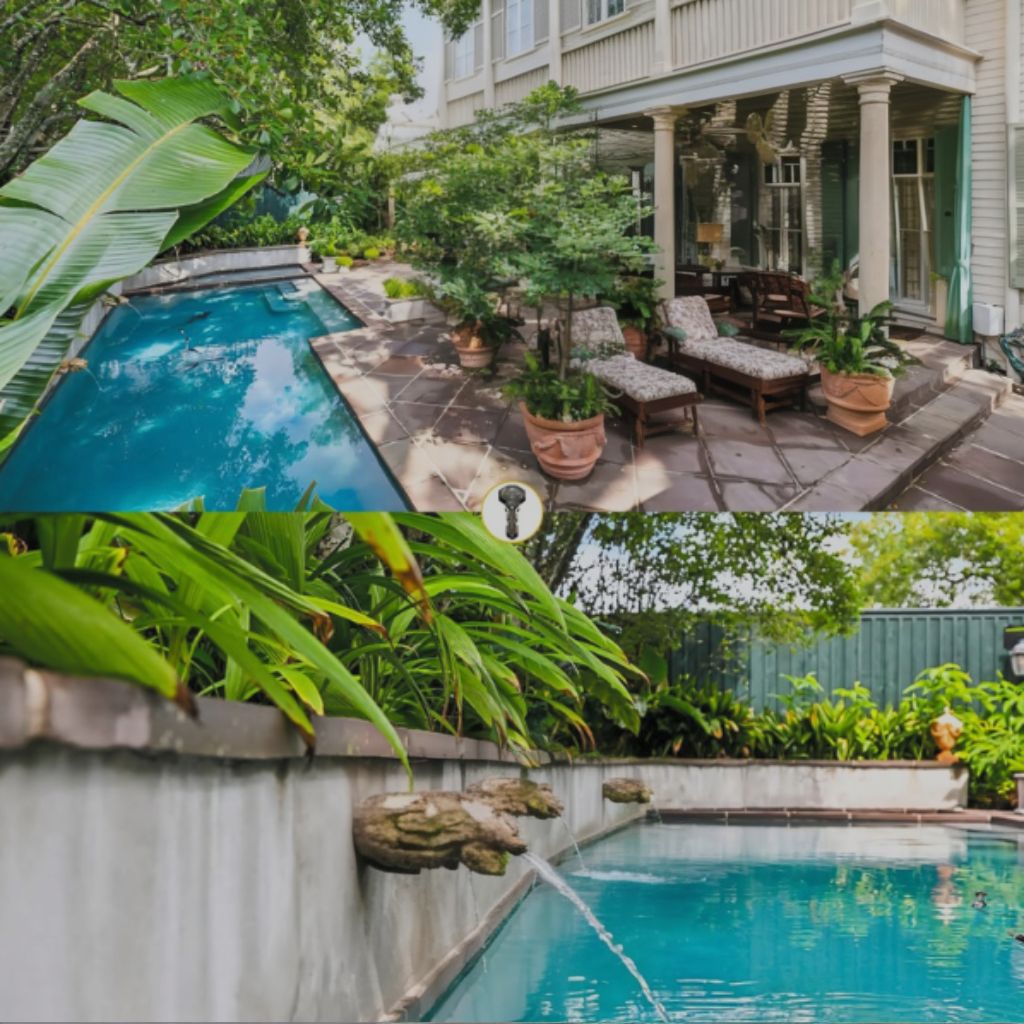
One standout feature added during Reznor’s renovation was a saltwater pool. Nestled within a landscaped garden, the pool provided a tranquil retreat in the heart of the city. Beyond aesthetics, the saltwater system also reflected modern wellness trends and environmental consciousness.
This blend of function and beauty enhanced the estate’s outdoor appeal and served as a key lifestyle element for future buyers.