
Ray Bradbury’s Iconic LA Home Demolished, Literary Legacy Lives On
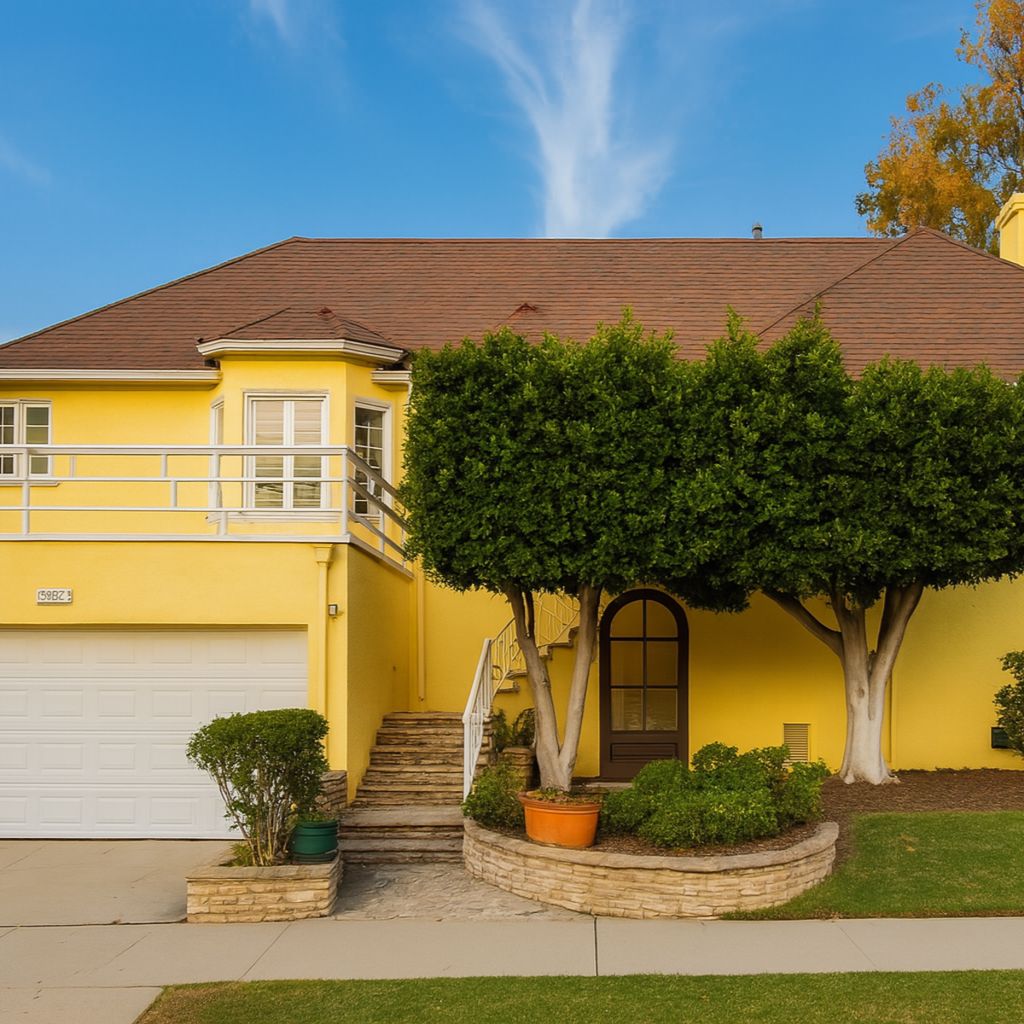
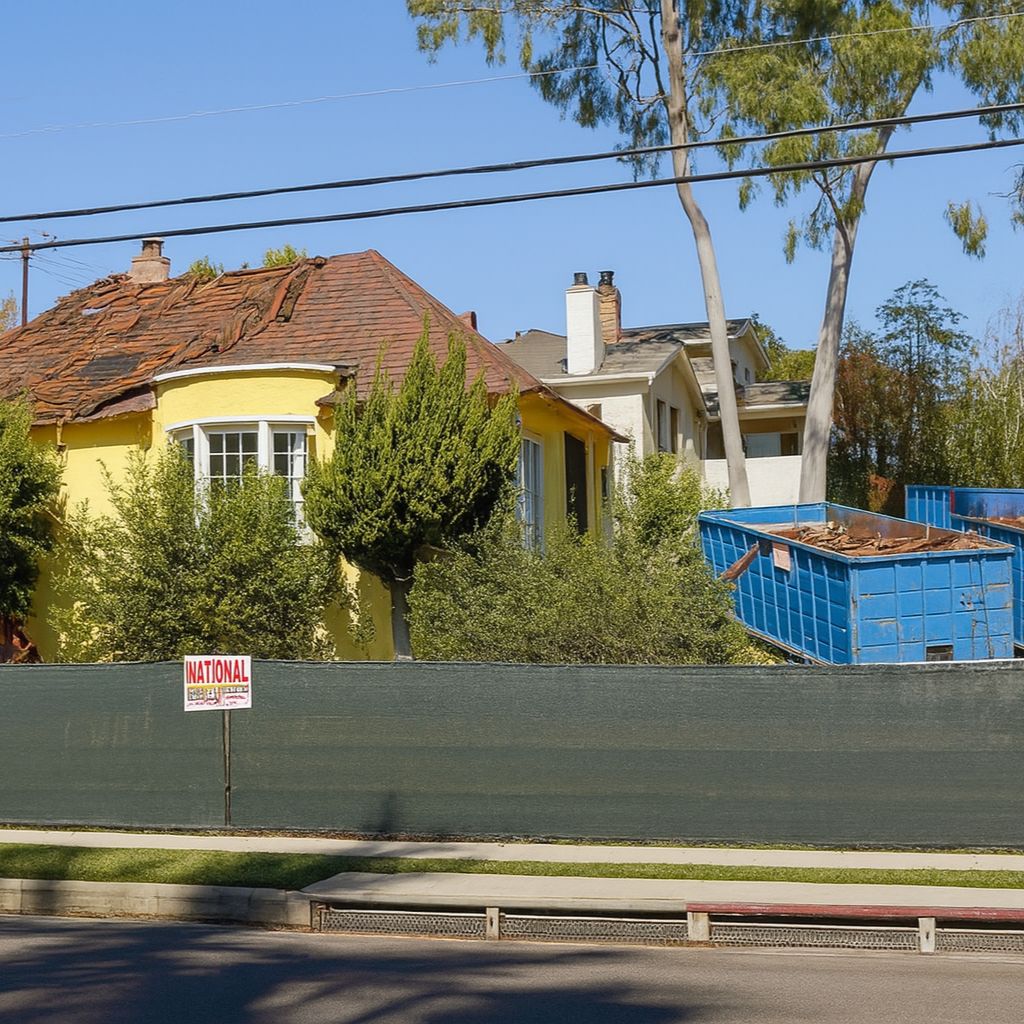
The former Los Angeles home of acclaimed author Ray Bradbury has been razed, closing a significant chapter in American literary history. Situated in the quiet enclave of Cheviot Hills, the residence was taken down under the direction of architect Thom Mayne, prompting reactions from fans and literary historians alike.
While the demolition has stirred emotions, efforts are underway to faithfully recreate Bradbury’s famed basement office—his creative sanctuary and birthplace of numerous timeless works.
Cheviot Hills: A Neighborhood of Inspiration
Nestled in West Los Angeles, Cheviot Hills was more than a place of residence for Bradbury—it was a muse. The peaceful, tree-lined streets inspired much of his writing, offering a haven where imagination thrived.
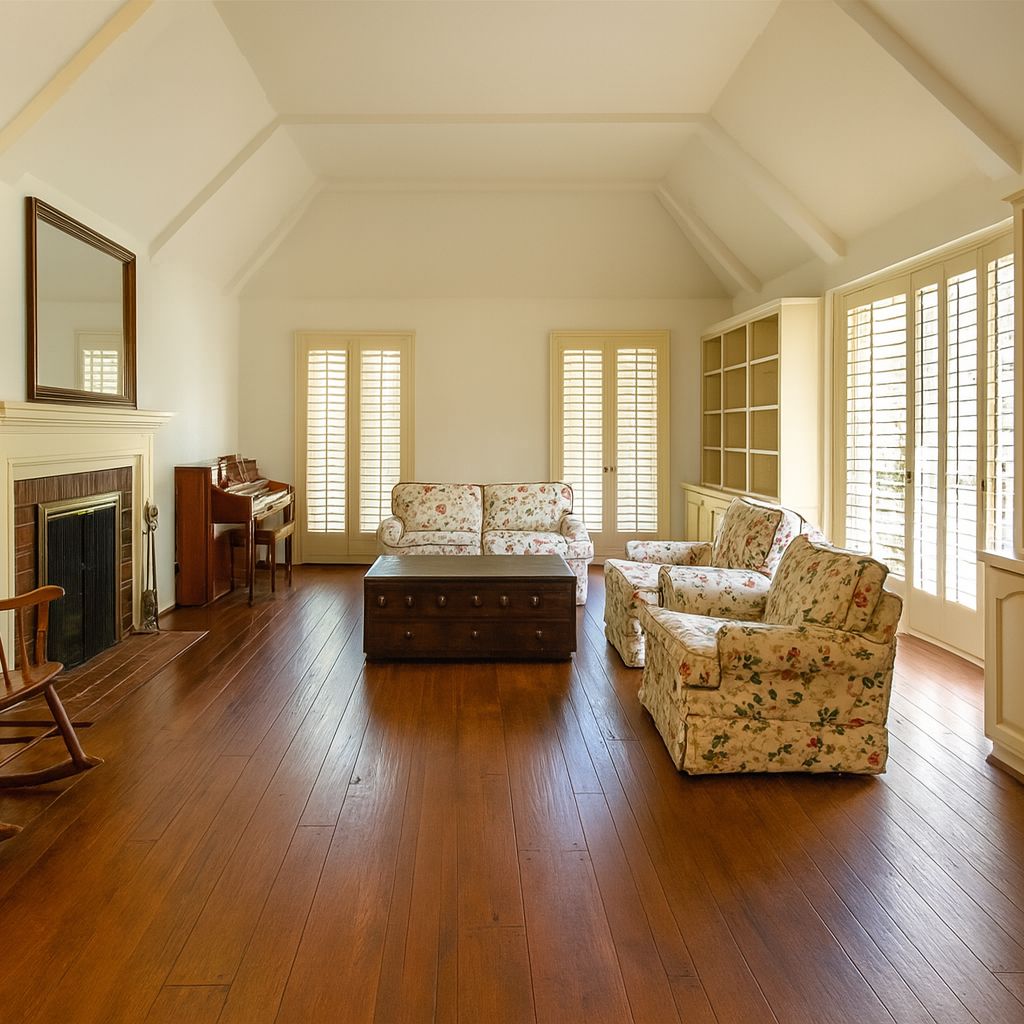
Bradbury’s home reflected his whimsical worldview, filled with artifacts, books, and memories that captured the essence of his storytelling spirit. Its loss is deeply felt, yet it reinforces the enduring power of the words he left behind.
Thom Mayne and the Debate Over Demolition
The recent demolition of Ray Bradbury’s longtime Los Angeles home has sparked passionate debate. Overseen by Pritzker Prize-winning architect Thom Mayne, founder of Morphosis, the decision was justified as part of a broader push for urban modernization.
However, literary advocates and preservationists argue that the home represented more than architecture—it was a piece of cultural heritage. For many, tearing down Bradbury’s residence is seen as a loss to the literary world and the city’s historical fabric.
Rebuilding a Creative Sanctuary
In response, a dedicated team is working to faithfully recreate Bradbury’s iconic basement office. Known as the author’s personal sanctuary, the space was filled with books, keepsakes, and his beloved typewriter—elements that fueled his most influential works.
Every detail, from the cluttered bookshelves to the ambient lighting, is being carefully replicated to preserve the spirit of the original workspace. These preservation efforts highlight the importance of honoring creative legacy, even when the physical home no longer stands.

The Center for Ray Bradbury Studies: Preserving a Literary Vision
Central to the effort of recreating Ray Bradbury’s iconic basement office is the Center for Ray Bradbury Studies. As the primary institution dedicated to protecting and promoting the author’s legacy, the Center is providing access to original artifacts, manuscripts, and personal belongings that once filled Bradbury’s private workspace.
Their direct involvement guarantees historical accuracy and emotional authenticity in the reconstructed space, ensuring that the spirit of Bradbury’s creative process is faithfully honored. This initiative reflects the Center’s ongoing mission: to safeguard the life and work of one of America’s most beloved literary figures.
Architectural Tribute: Honoring Bradbury in Built Form
In a gesture blending architecture with memory, Thom Mayne—Pritzker Prize-winning architect and project lead—has unveiled a tribute wall dedicated to Ray Bradbury. The installation features original sketches, design inspirations, and quotes from Bradbury’s iconic works, linking the world of structural design to the author’s vivid imagination.
Erected on the site of Bradbury’s former home, which was built in 1937 and purchased by the author in 1959, the wall stands as a physical and symbolic homage. Fans, historians, and local residents gathered to witness the tribute’s unveiling, underscoring Bradbury’s cultural impact in Los Angeles and beyond.
Mayne acknowledged the tension between preserving literary heritage and embracing contemporary architecture. His comments have sparked broader discussions about how cities like Los Angeles can better integrate historical character into modern urban development.
Ultimately, the tribute wall offers a meaningful intersection of memory and design—a reflection of Ray Bradbury’s enduring influence and the power of architecture to honor cultural icons.
Debating Literary Preservation in Los Angeles
The demolition of Ray Bradbury’s former home in 2015 has reignited public debate over the importance of preserving literary landmarks in Los Angeles. For many, the loss of this historic residence — where the author penned some of his most celebrated works — represents a missed opportunity to honor the physical legacy of a cultural icon.
Advocates for preservation argue that such spaces are essential for cultural continuity, educational value, and community identity. Bradbury’s home, nestled in Cheviot Hills, was more than a residence—it was a wellspring of imagination and creativity.
Preservation supporters are now calling for stronger frameworks and city policies to protect historic homes linked to influential literary figures. They believe these sites deserve recognition and long-term protection amid the city’s evolving urban landscape.
Opponents, however, emphasize the realities of urban growth. They argue that while cultural value is important, personal landmarks must sometimes give way to modernization and economic progress.
As the conversation continues, the reconstructed version of Bradbury’s basement office stands as a symbol of compromise—a space that offers both tribute and public engagement. It embodies the city’s struggle to find balance between honoring its past and building for the future.
