

The avant-garde Los Angeles compound carefully assembled and customized by legendary filmmaker David Lynch has officially returned to the spotlight, just eight months after his passing at age seventy-eight. Now offered at $15 million, this extraordinary estate presents a rare chance to own a creative sanctuary where Lynch developed some of his most celebrated works, including Mulholland Drive and Lost Highway. Listing agents Marc Silver and Barry Sloane of The Agency Beverly Hills represent the property, which captures both the mystique of Hollywood Hills real estate and the singular vision of one of cinema’s most influential directors.
A Historic Midcentury Masterpiece
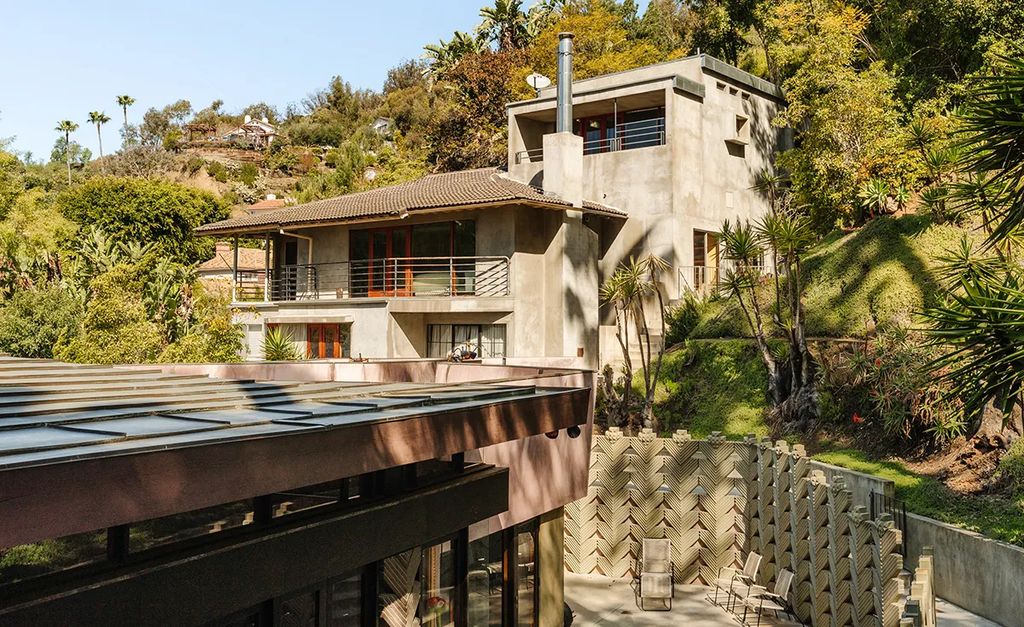
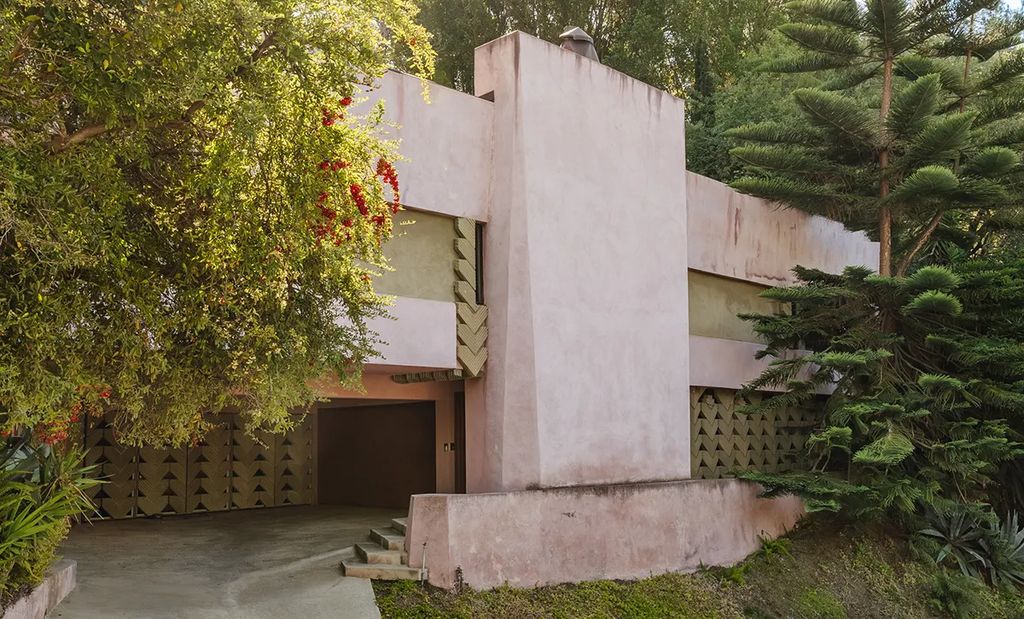
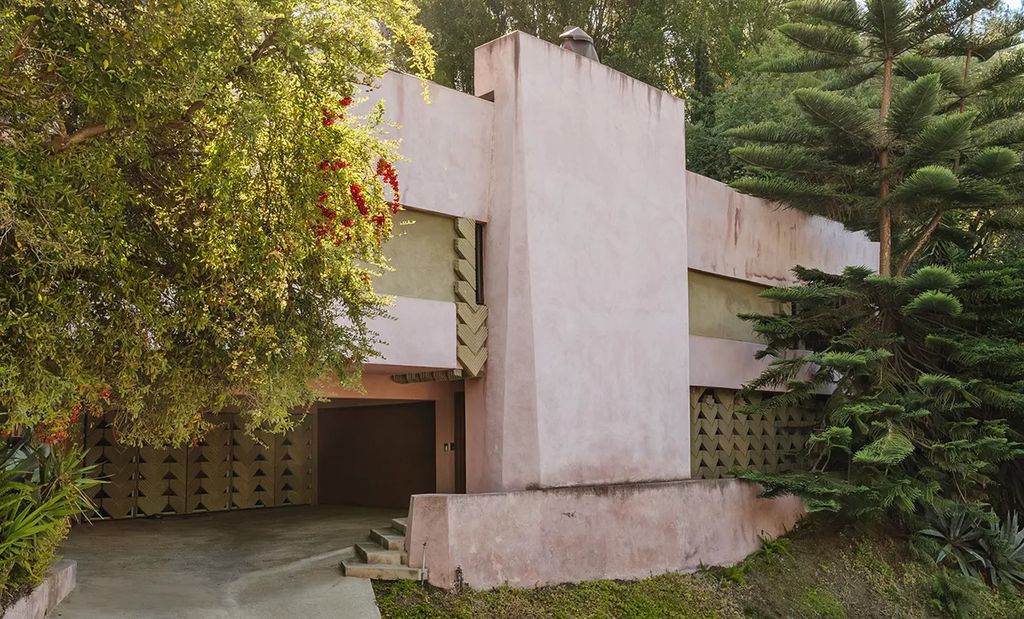
Tucked away on five contiguous hillside parcels totaling more than two acres, the gated property lies just below Mulholland Drive in the prestigious Outpost Estates neighborhood. At its heart stands the Marilyn Johnson House, a striking midcentury residence designed in the early 1960s by Lloyd Wright, the eldest son of the legendary Frank Lloyd Wright. Lynch purchased the pink-hued dwelling in 1987 for $560,000, according to The Wall Street Journal, and the home is now recognized by Historic Places LA as an “excellent example of Mid-Century Modern residential architecture.”
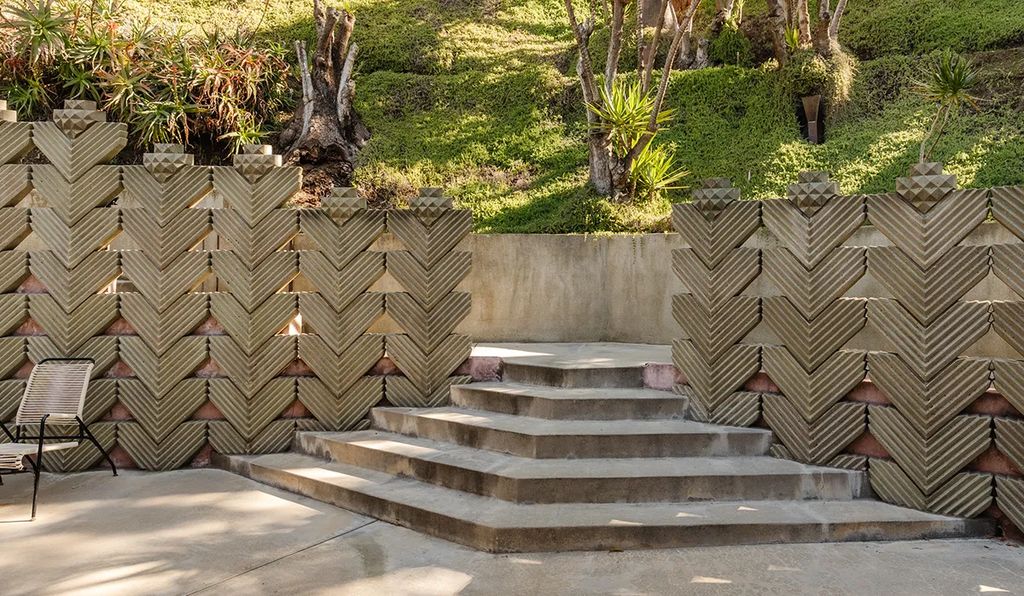
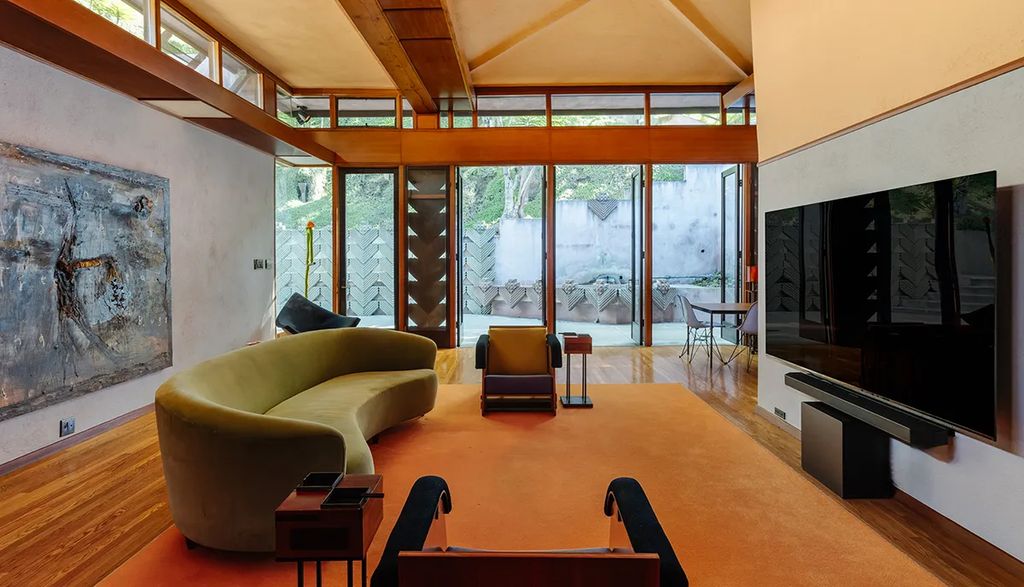
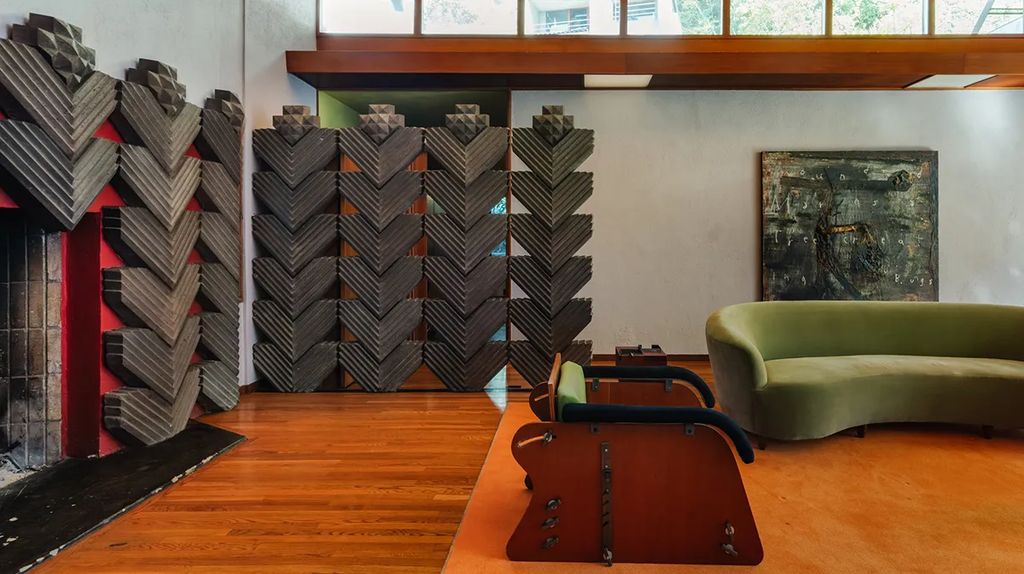
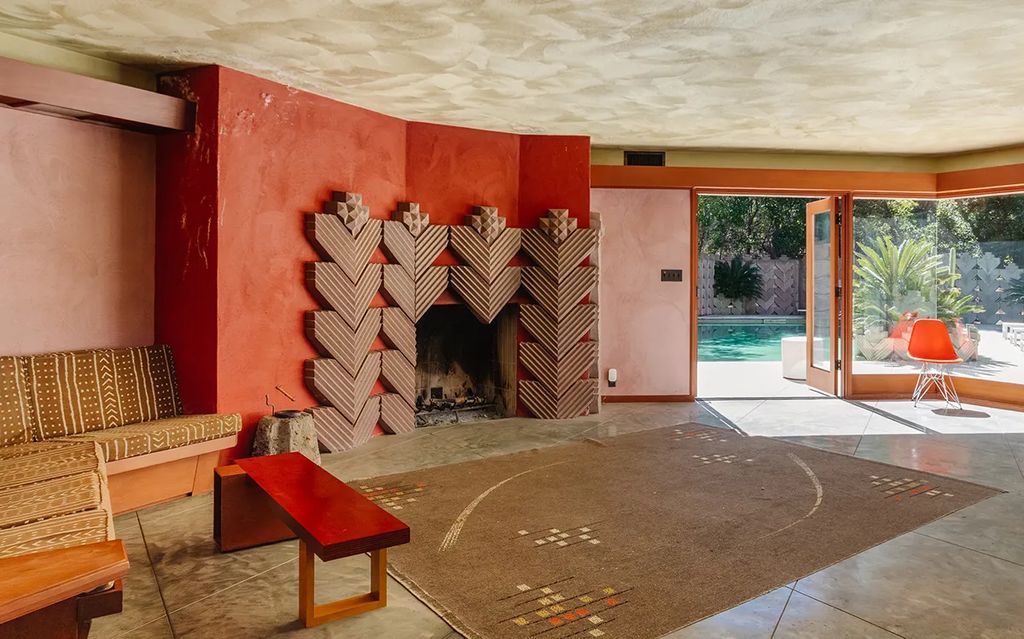
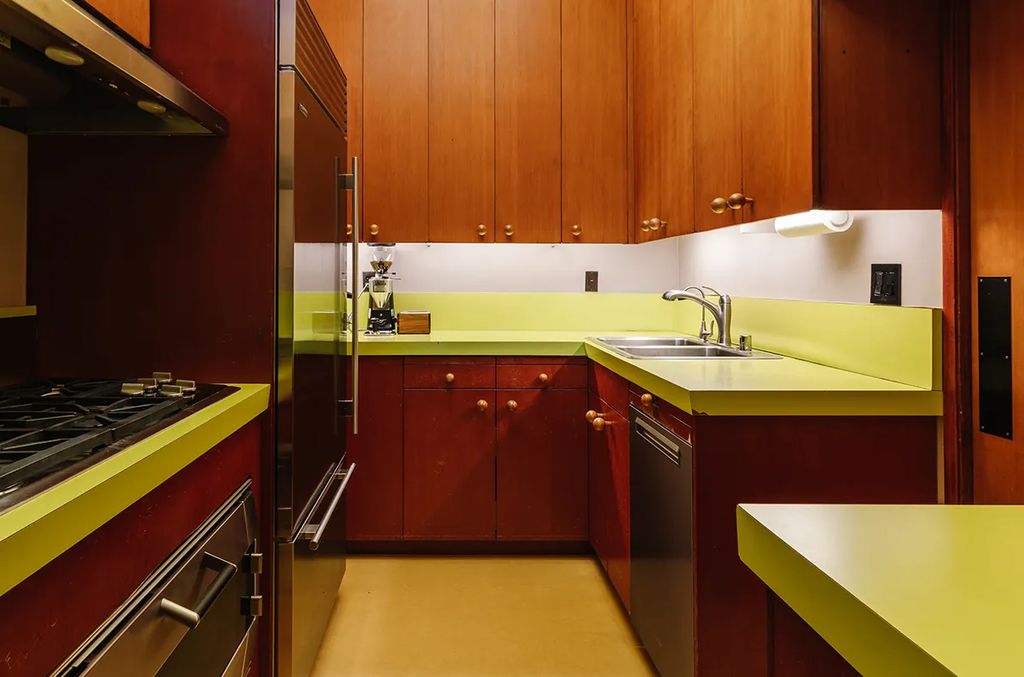
The main house spans roughly 2,000 square feet with three bedrooms and embodies classic midcentury design through walls of glass, clerestory windows, and a minimalist blend of natural wood and metalwork. A living room anchored by a soaring wood-beam ceiling and a sculptural fireplace opens to a fountain-clad patio, while a connected dining area leads to a galley-style kitchen adorned with vibrant chartreuse countertops. Every detail reflects the distinctive character that inspired Lynch throughout his four-decade residency.
Seven Distinctive Structures of Creative Vision
While the primary residence is the architectural centerpiece, Lynch gradually expanded the estate into a multi-building compound perfectly suited for an artist’s life. Over the years he acquired surrounding parcels to create a collection of seven unique structures totaling about 11,000 square feet and offering ten bedrooms and eleven baths.
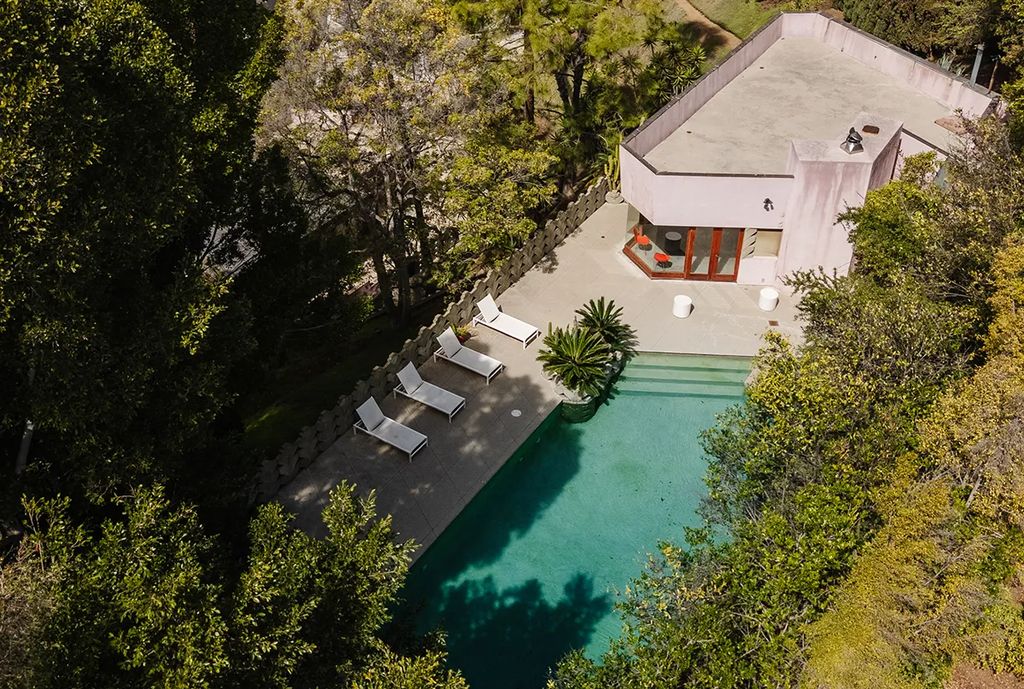
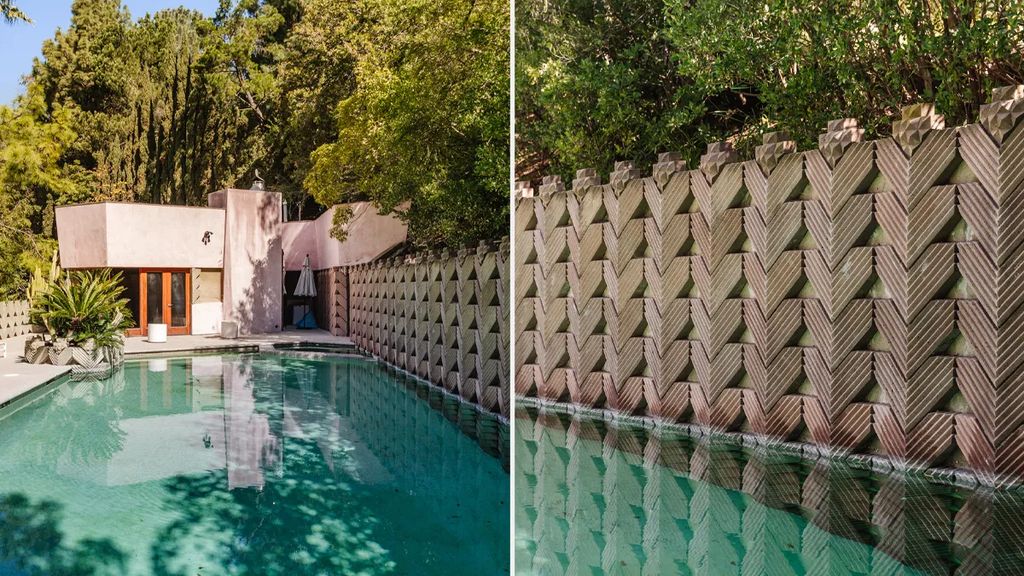
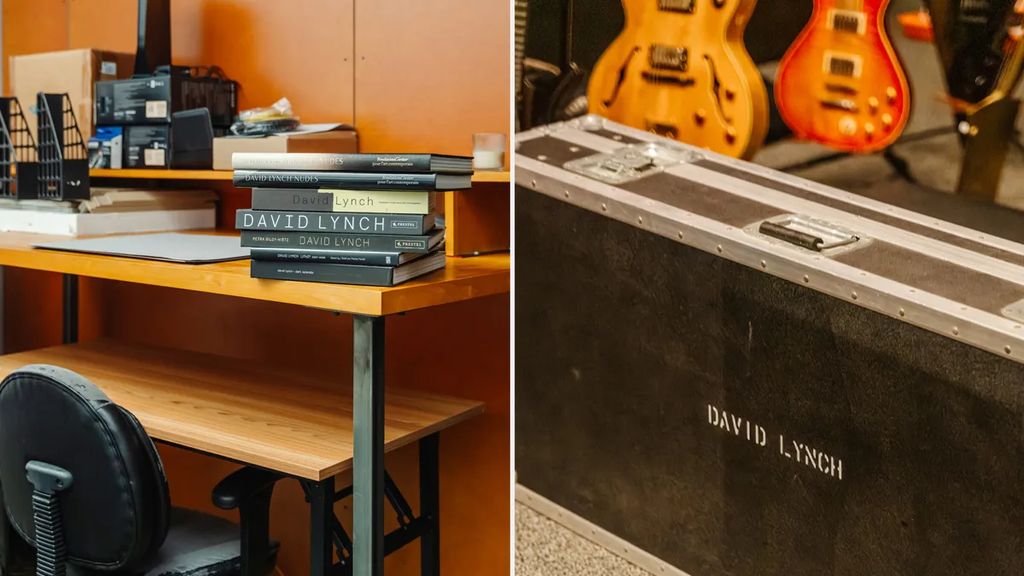
Among these additions is a home that once served as the headquarters for Lynch’s Asymmetrical Productions, a Brutalist-style building that housed a library, screening room, and editing suite and later appeared in the film Lost Highway. In 1991, he commissioned Eric Lloyd Wright, the son of the original architect, to design a hillside pool and pool house that blend seamlessly with the rugged terrain. A two-story guesthouse and a one-bedroom studio finished in smooth gray plaster complete the ensemble, each space crafted to nurture creativity and privacy.
A Source of Lifelong Inspiration
For Lynch, the Hollywood Hills compound was far more than a residence. It functioned as a wellspring of artistic energy. In a 1997 interview with the German design magazine Form, the filmmaker described the estate as “just pleasing, gives me a good feeling… it affects my whole life to live inside of it. And then, sometimes I see things, shapes or something that would go inside of it and that leads to furniture or film.” Those words encapsulate the profound relationship between artist and environment, making this property an irreplaceable part of Hollywood’s cultural tapestry.
The setting itself fosters that creative spirit. Elevated above the city yet enveloped in lush greenery, the property offers serene privacy while remaining minutes from the entertainment and dining of West Hollywood and Beverly Hills. Sweeping views of the canyon and city lights underscore the sense of retreat and inspiration that Lynch cherished.
Architectural Significance and Market Context
Architecture enthusiasts will appreciate how the compound unites midcentury ideals with modern functionality. The clean cement exterior of the main residence features chevron patterns that catch the Southern California sun, while the interiors maintain a harmony of open-plan living and intimate spaces. Lloyd Wright’s legacy is evident in every angle, a reminder of the enduring relevance of midcentury design in contemporary luxury real estate.
The listing arrives at a moment when Hollywood Hills properties with strong architectural pedigrees are commanding premium attention. Recent sales of midcentury estates by architects such as Richard Neutra and John Lautner have reinforced buyer demand for homes that merge historical importance with modern luxury. The David Lynch Hollywood Hills compound stands out not only for its cinematic provenance but also for its rare combination of privacy, acreage, and authentic midcentury craftsmanship.
Hollywood Hills Lifestyle
Beyond its architectural and artistic cachet, the estate delivers a quintessential Los Angeles lifestyle. Expansive patios and terraced gardens provide multiple outdoor living areas, while the hillside pool and pool house offer resort-style relaxation. The multi-building layout accommodates both intimate family life and large-scale entertaining, making it ideal for collectors, creatives, or anyone seeking a one-of-a-kind retreat.
Living in the Hollywood Hills means proximity to the city’s best dining, cultural venues, and iconic attractions, from the Hollywood Bowl to Runyon Canyon trails. The compound’s location just below Mulholland Drive ensures quick access to Studio City and Beverly Hills, blending seclusion with convenience—a balance that continues to attract high-profile buyers seeking refuge without sacrificing urban amenities.
An Irreplaceable Opportunity
With its $15 million asking price, this extraordinary property offers more than just luxury real estate; it offers a tangible piece of film history and architectural artistry. David Lynch’s long tenure infuses every corner with the energy of an artist who reshaped modern cinema. Prospective buyers will not only inherit a home of exceptional design but also a creative legacy that continues to influence filmmakers and architects alike.
From its celebrated midcentury origins to its role in shaping iconic films, the David Lynch Hollywood Hills compound represents a once-in-a-lifetime acquisition. Whether viewed as a private sanctuary or a cultural landmark, the estate stands as a testament to the enduring power of place in the creative process.