
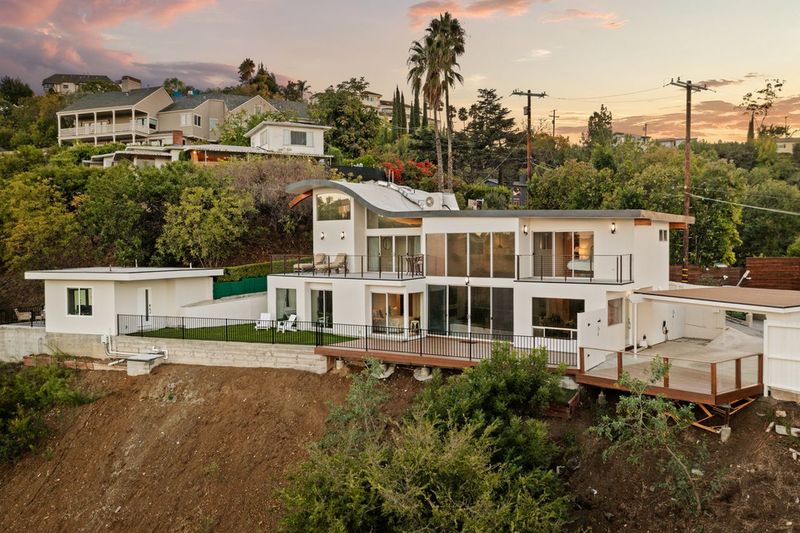
Charlie Puth is closing the chapter on one of the most personal properties in his California real estate portfolio. The Grammy-nominated singer-songwriter has sold his architect-designed Studio City residence for $2.1 million, four years after the home was acquired through a family trust named after his parents, Charles Puth Sr. and Debra Puth. While the property was never his primary residence, it reportedly functioned as both a family retreat and a discreet creative workspace where music ideas were developed between tours and recording sessions.
Charlie Puth Studio City Home Sale Reflects a Shift in Lifestyle and Ownership Strategy
The transaction arrives at a transitional moment in the artist’s personal life. Following his marriage to Brooke Sansone and the recent birth of their first child, Puth appears to be gradually restructuring his Southern California property holdings in favor of homes better aligned with a growing family lifestyle. The Studio City residence, while architecturally striking and creatively significant, now sits outside that evolving equation.
From a broader market perspective, the sale also highlights continued demand for architect-driven homes in hillside enclaves such as Studio City’s Silver Triangle, where privacy, views, and design pedigree consistently command strong buyer interest.
Jon Brouse Architecture Defines This Studio City Contemporary Residence
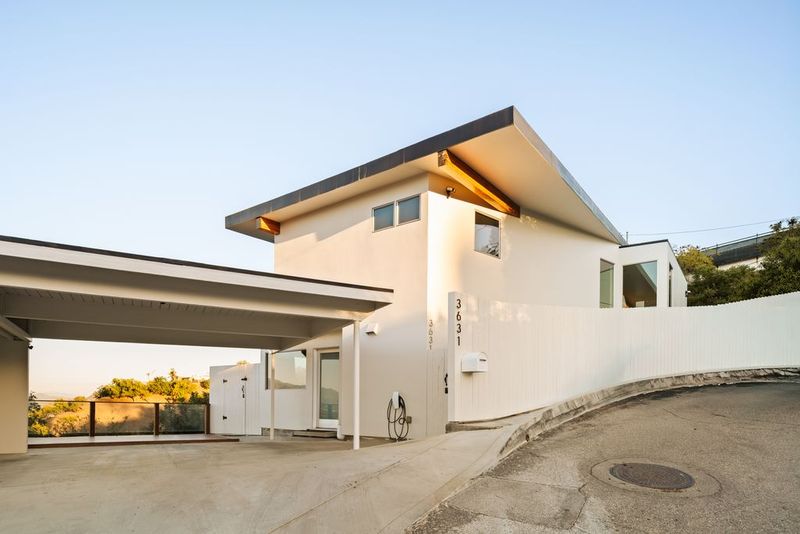
Perched above the tree-lined streets of Studio City, the residence spans approximately 2,400 square feet and is defined by the architectural language of Jon Brouse, an architect known for emphasizing volume, transparency, and strong indoor-outdoor relationships. Instead of decorative excess, the home relies on proportion, light, and material restraint to create a sense of modern livability.
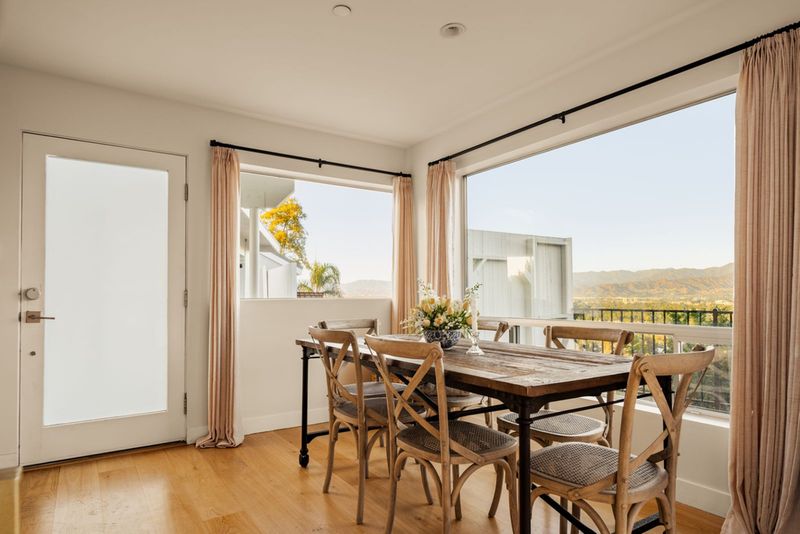
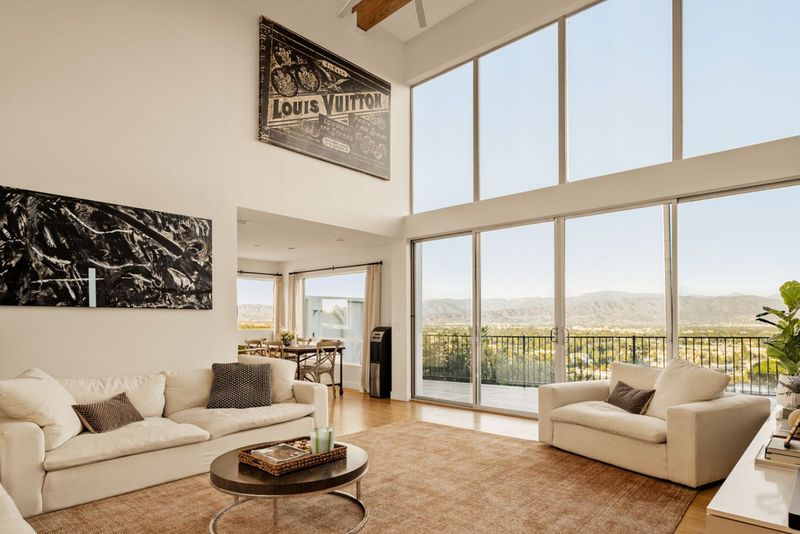
Walls of glass dominate the rear façade, dissolving boundaries between interior spaces and the panoramic views stretching across the San Fernando Valley. At night, the city transforms into a continuous lightscape, turning the home into an elevated observation point above Los Angeles.
Inside the Two-Story Great Room With 18-Foot Ceilings and Sculptural Volume
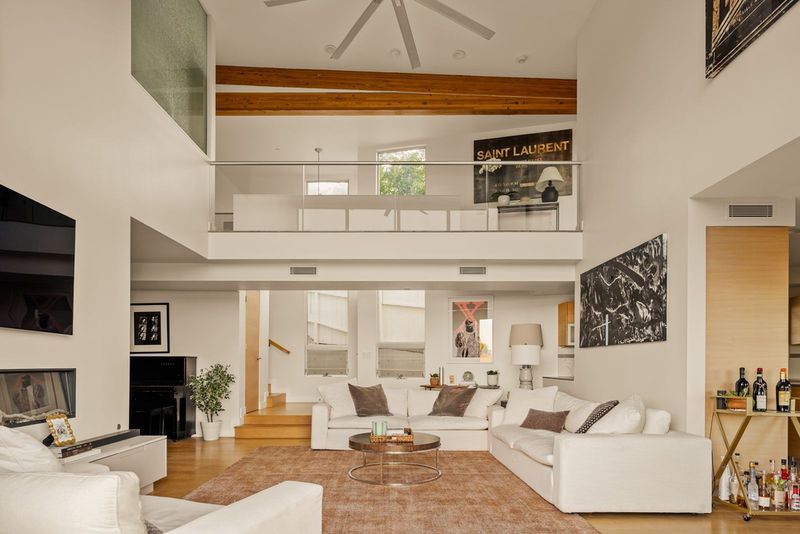
The main living area is organized around a dramatic two-story great room that immediately establishes the residence’s architectural identity. Soaring 18-foot ceilings amplify the sense of space, while exposed timber beams introduce warmth against the otherwise minimalist structural palette.
A linear fireplace anchors the room without overpowering it, allowing attention to remain focused on the surrounding glass walls and shifting natural light. An open mezzanine overlooks the space below, reinforcing vertical connectivity and creating layered visual perspectives throughout the interior.
The effect is less about ornamentation and more about spatial experience, where architecture becomes a frame for light, movement, and landscape.
Designer Kitchen and Dining Areas Designed for Open-Plan Living
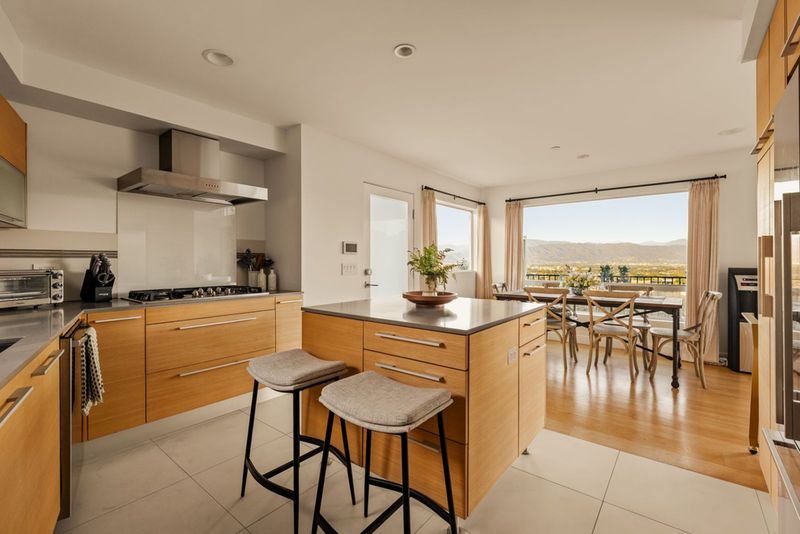
Adjacent to the great room, the dining area is positioned within a corner of floor-to-ceiling glass, creating a constant visual dialogue with the surrounding hillside environment. The layout prioritizes openness, allowing uninterrupted sightlines across multiple living zones.
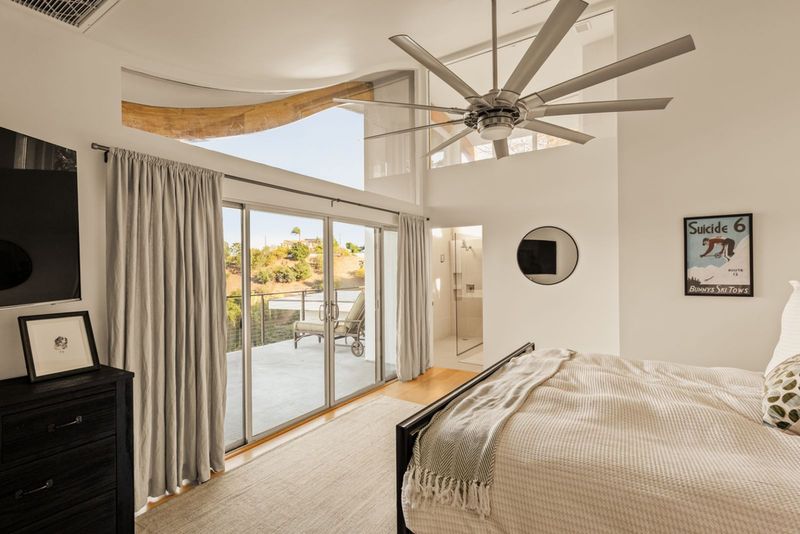
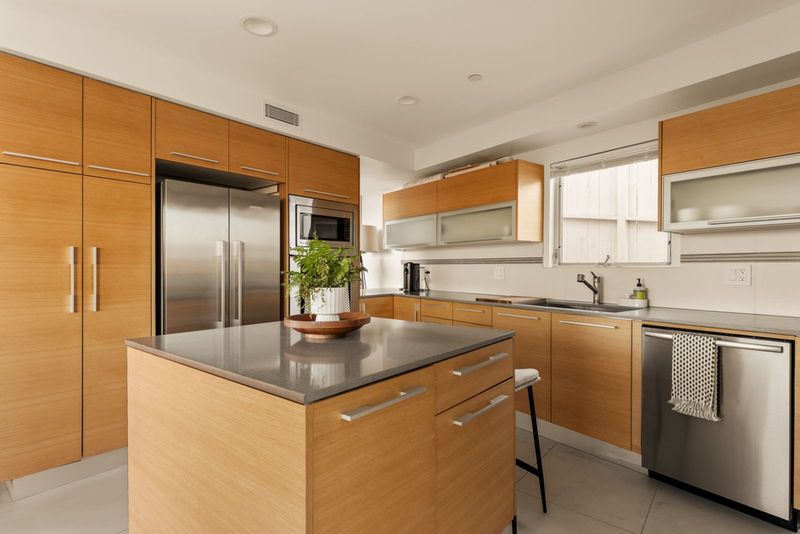
The kitchen continues this design philosophy with a refined material palette. Floor-to-ceiling wood cabinetry conceals storage while maintaining visual continuity, while quartz countertops and stainless-steel appliances introduce a subtle contrast of texture and tone. A central island serves as both a functional workspace and a casual gathering point, reinforcing the home’s emphasis on social living and fluid spatial movement.
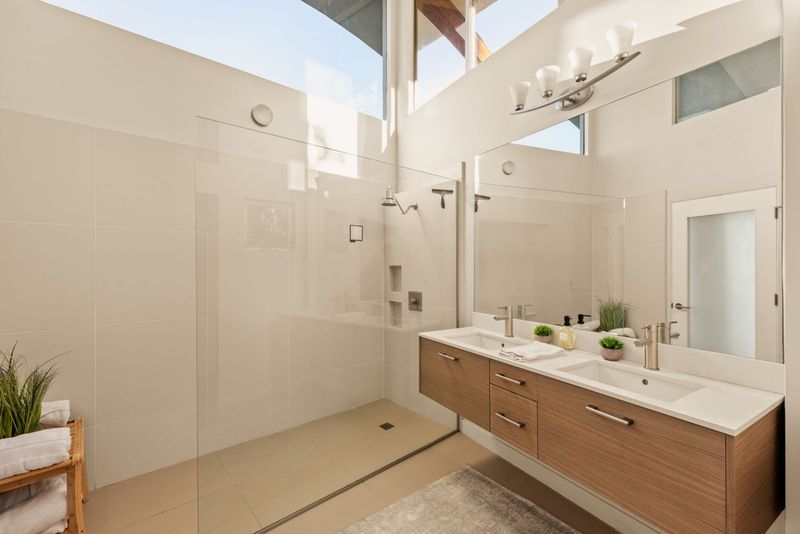
Dedicated Music Studio Highlights Charlie Puth’s Creative Connection to the Home
One of the most distinctive features of the property is a dedicated music studio, reflecting Charlie Puth’s identity as a producer and songwriter. Outfitted with recording equipment, instruments, and production tools, the space provided a private environment for experimentation and composition without external interruption.
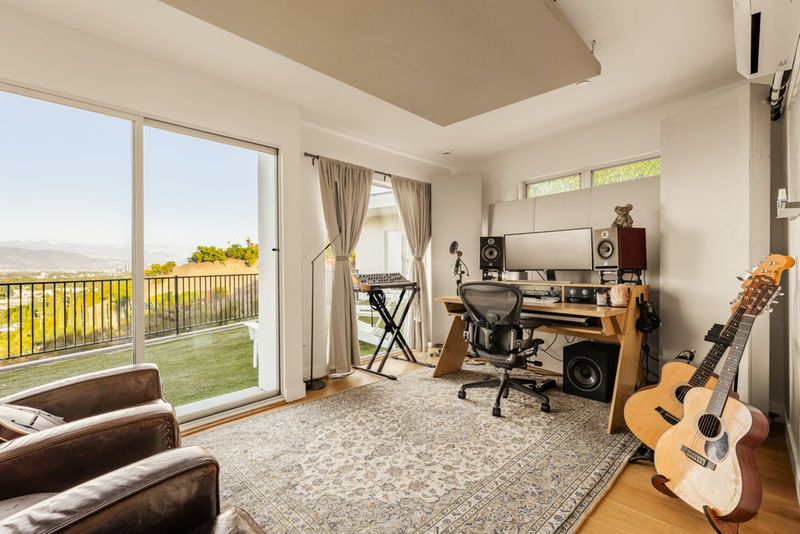
While not a commercial recording facility, the studio underscores how the residence was adapted to support both personal and creative needs. In many ways, it represents the intersection between lifestyle and profession that defines much of Los Angeles’ luxury real estate market.
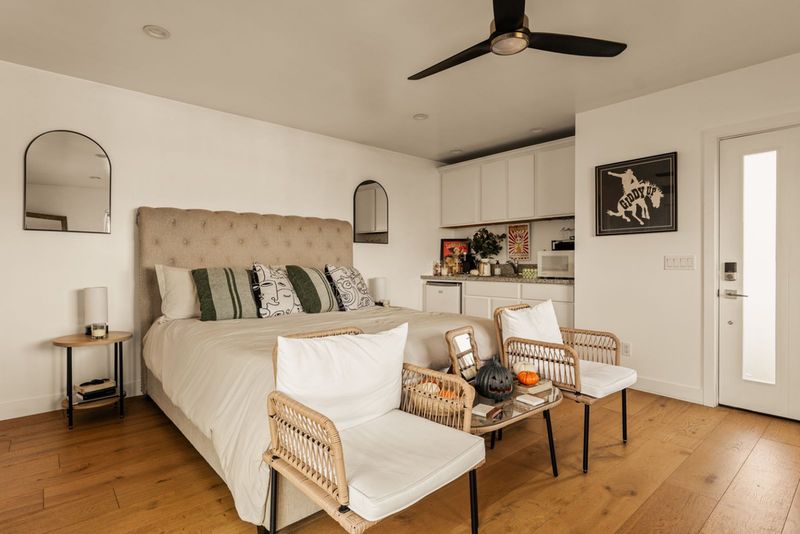
Flexible Bonus Structure Adds Multi-Use Creative Potential
Beyond the main residence, a separate 450-square-foot structure expands the property’s functionality. Designed as a self-contained unit, it includes its own bathroom, kitchenette, and outdoor deck, making it suitable for guest accommodation, creative work, or private office use.
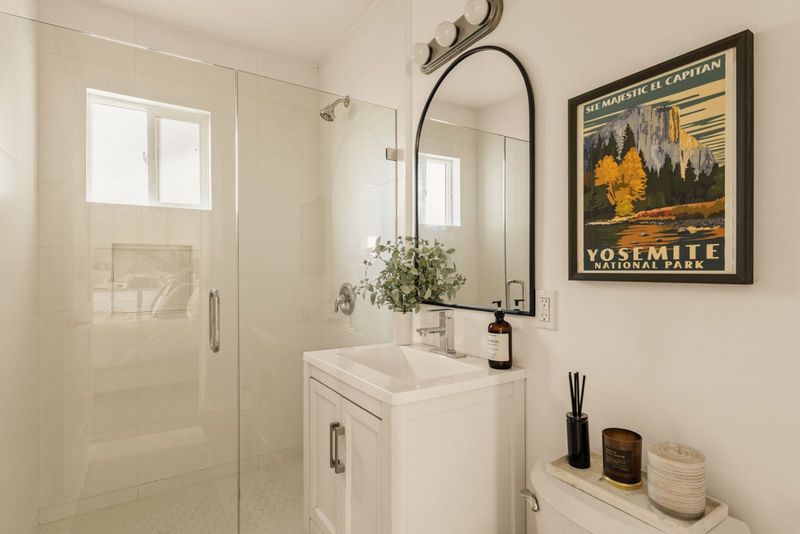
Such flexible secondary spaces have become increasingly valuable in Studio City, where homeowners often seek adaptable environments that extend the functionality of primary residences without sacrificing architectural cohesion.