
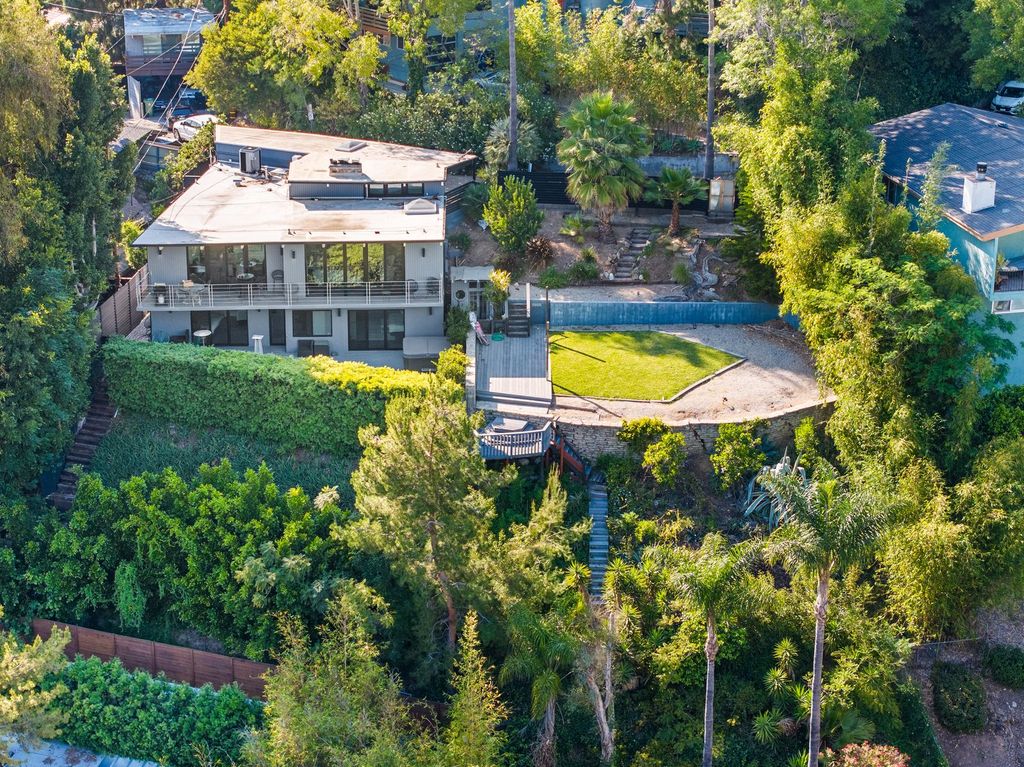
Few homes in Los Angeles can claim a direct connection to Hollywood’s Golden Age, but a newly listed residence in the coveted Hollywood Dell neighborhood offers exactly that. Once home to legendary screen icon Ava Gardner following her divorce from Frank Sinatra, the mid-century property has returned to the market with a $2.9 million asking price.
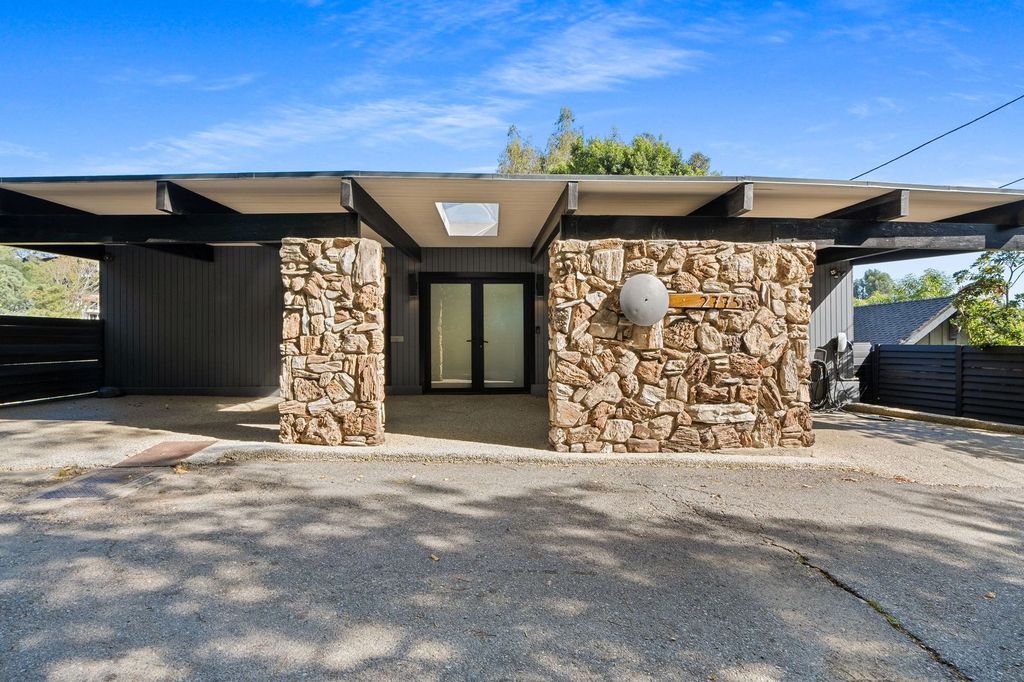
Designed in 1959 by renowned Southern California architect Ed Fickett, the residence represents an increasingly rare opportunity to own a piece of Hollywood history while enjoying the architectural pedigree that helped define California’s postwar residential design movement.
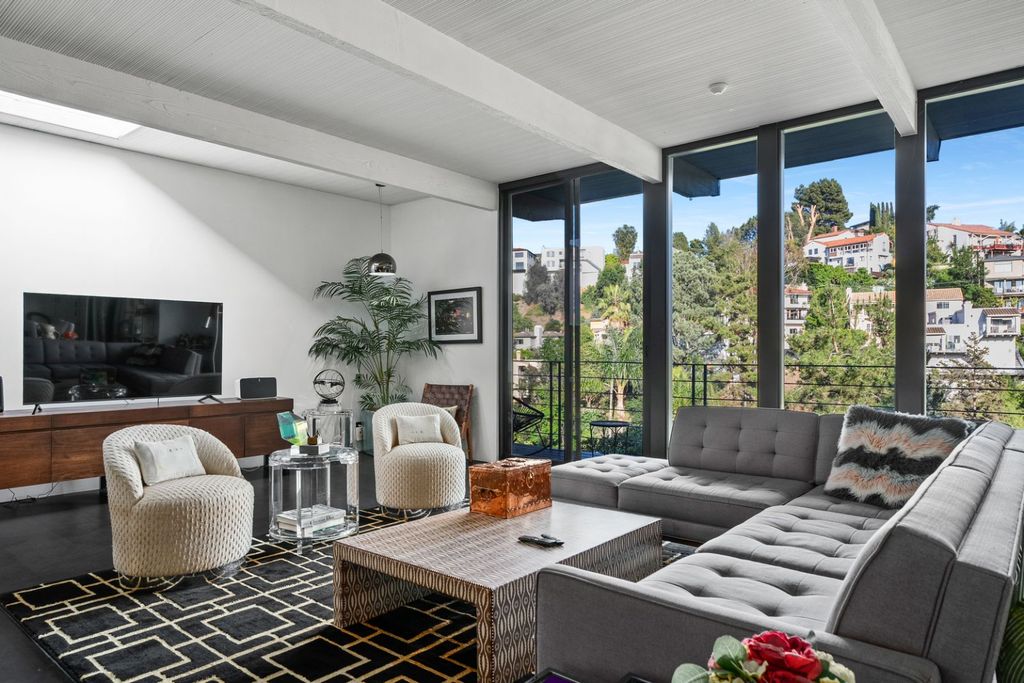
According to listing materials reviewed by californialuxuryhouses, the 2,668-square-foot home retains many of its original mid-century features, including its signature post-and-beam structure, dramatic walls of glass, and seamless integration with the surrounding canyon landscape.
“This property stands apart because it offers both architectural significance and genuine Hollywood provenance,” listing agent Antonio Bruno told californialuxuryhouses. “Buyers are increasingly searching for homes with authentic stories, and few stories are more compelling than one connected to Ava Gardner.”
A Hollywood Legacy Preserved in the Hills
Following her highly publicized divorce from Frank Sinatra, Ava Gardner reportedly made the residence her Los Angeles retreat, sharing the property with her sister, Beatrice “Bappie” Gardner.
At the time, Hollywood Dell attracted actors, directors, producers, and entertainment executives seeking privacy while remaining close to the major studios and nightlife that defined Los Angeles during the mid-20th century.
The neighborhood continues to maintain much of that character today. Tucked into the hills beneath the Hollywood Sign, Hollywood Dell offers residents a secluded canyon setting just minutes from Hollywood Boulevard, Universal Studios, Griffith Park, and some of Southern California’s most iconic cultural destinations.
While many celebrity homes from the era have been substantially altered or demolished, this residence remains remarkably faithful to its original architectural vision.
According to information reviewed by californialuxuryhouses, the home’s current presentation carefully balances preservation with modernization, allowing contemporary buyers to enjoy modern conveniences without sacrificing historical authenticity.
Ed Fickett’s Mid-Century Vision
Architect Ed Fickett earned widespread recognition throughout Southern California during the postwar housing boom, designing hundreds of residences that embraced indoor-outdoor living, open floor plans, and modern materials.
His work became particularly popular among entertainers and affluent professionals seeking homes that reflected California’s evolving lifestyle.
At Gardner’s former residence, Fickett’s influence is immediately apparent. Rough-cut stone walls, exposed structural beams, dark slate flooring, and expansive glass walls create a dramatic yet understated atmosphere.
“The architectural integrity of the home remains one of its strongest attributes,” Bruno explained to californialuxuryhouses. “Many of the details that define great mid-century design have been preserved, which is becoming increasingly uncommon throughout Los Angeles.”
Upon entering, visitors encounter a layered sequence of spaces that gradually reveal sweeping canyon views. Rather than relying on decorative excess, the architecture allows natural light, proportion, and landscape to become the home’s defining features.
Walls of Glass and Canyon Views
The double-height living room serves as the centerpiece of the residence.
Floor-to-ceiling glass stretches across entire sections of the home, framing views of the surrounding canyon while flooding the interiors with natural light throughout the day. Exposed beams overhead reinforce the home’s post-and-beam character, while contemporary steel-framed windows introduce a subtle modern contrast.
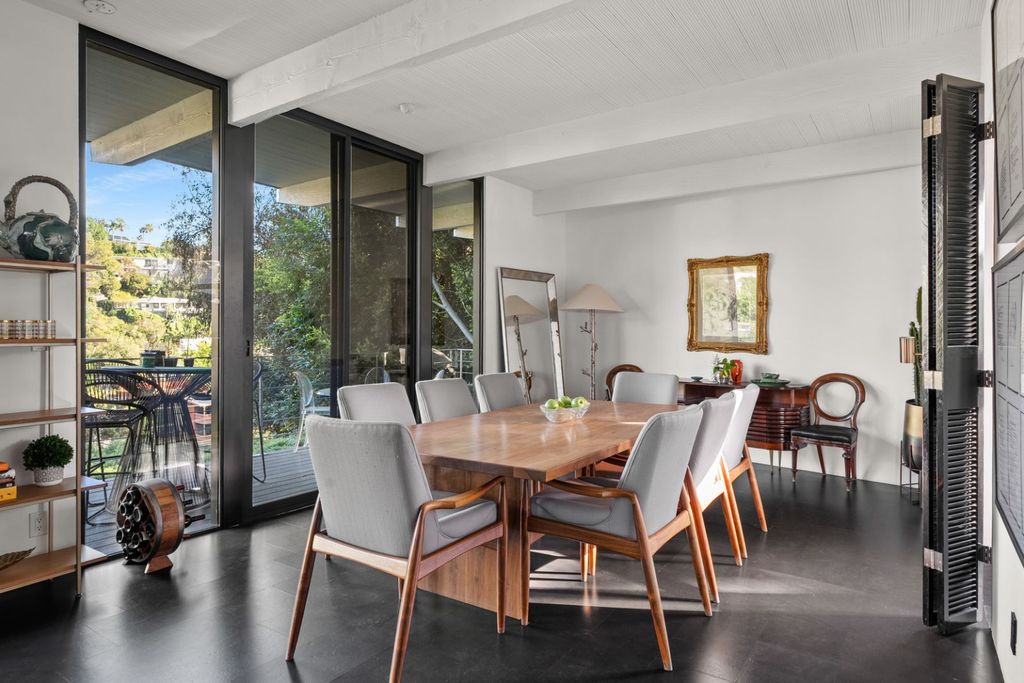
The open-plan layout connects the living and dining spaces into a single entertaining environment, reflecting the social design principles that became hallmarks of California modernism.
Nearby, the dining area opens directly onto an elevated balcony overlooking the hillside landscape. Large glass doors blur the distinction between interior and exterior spaces, a concept that continues to resonate with luxury buyers more than six decades after the home was built.
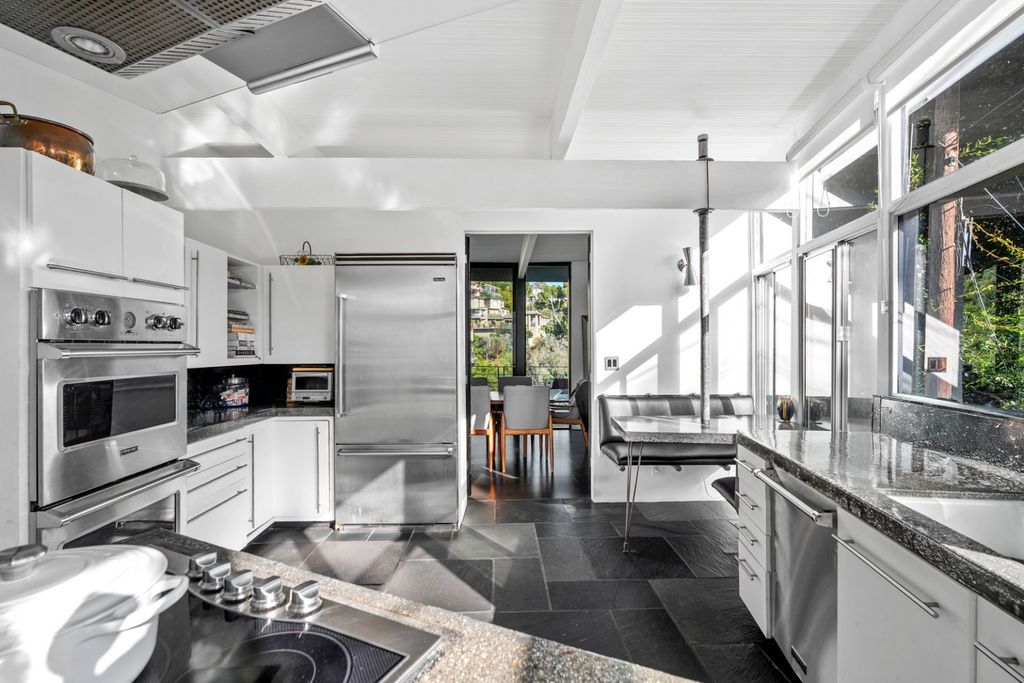
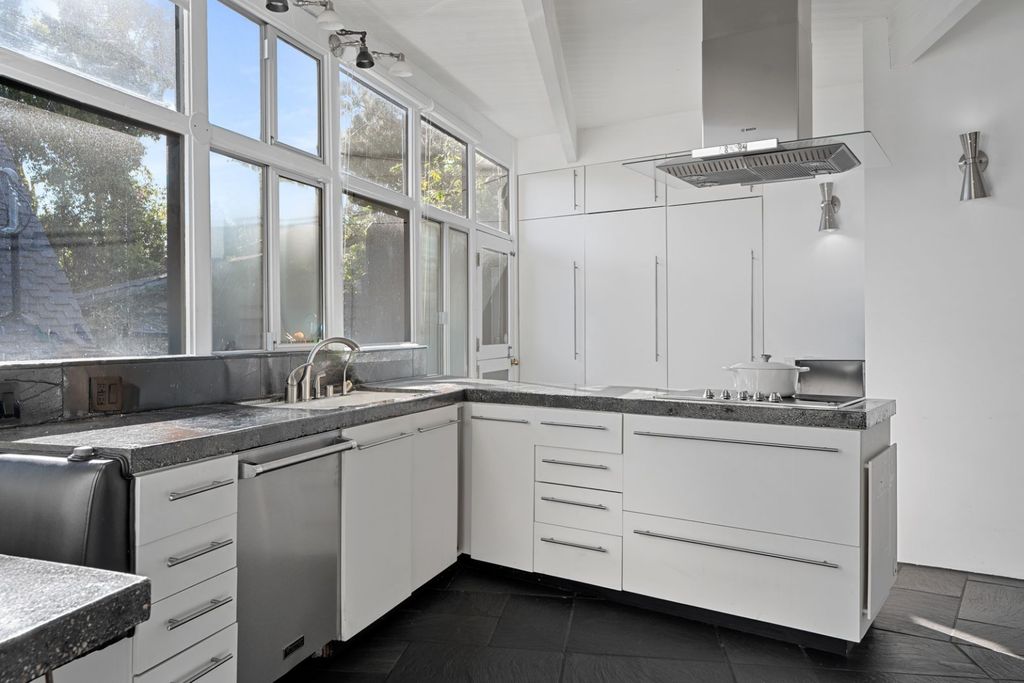
The adjacent kitchen has been updated with stainless steel appliances, minimalist cabinetry, and integrated storage while maintaining the restrained aesthetic that defines the residence.
A Primary Suite Designed for Privacy
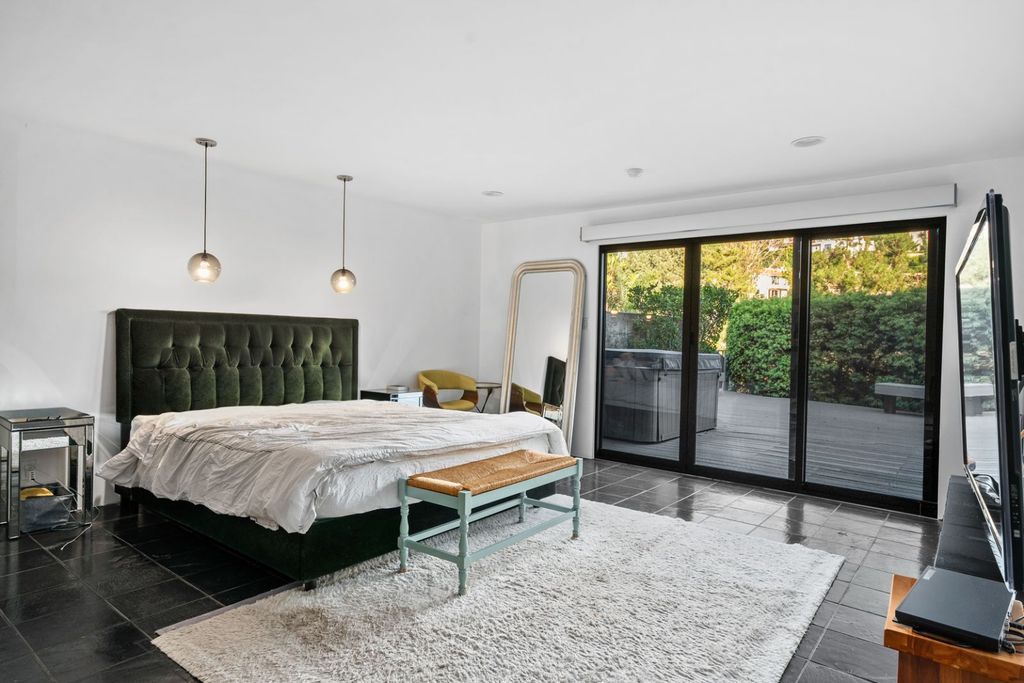
On the lower level, the primary suite functions as a secluded retreat with direct access to outdoor terraces and private relaxation areas.
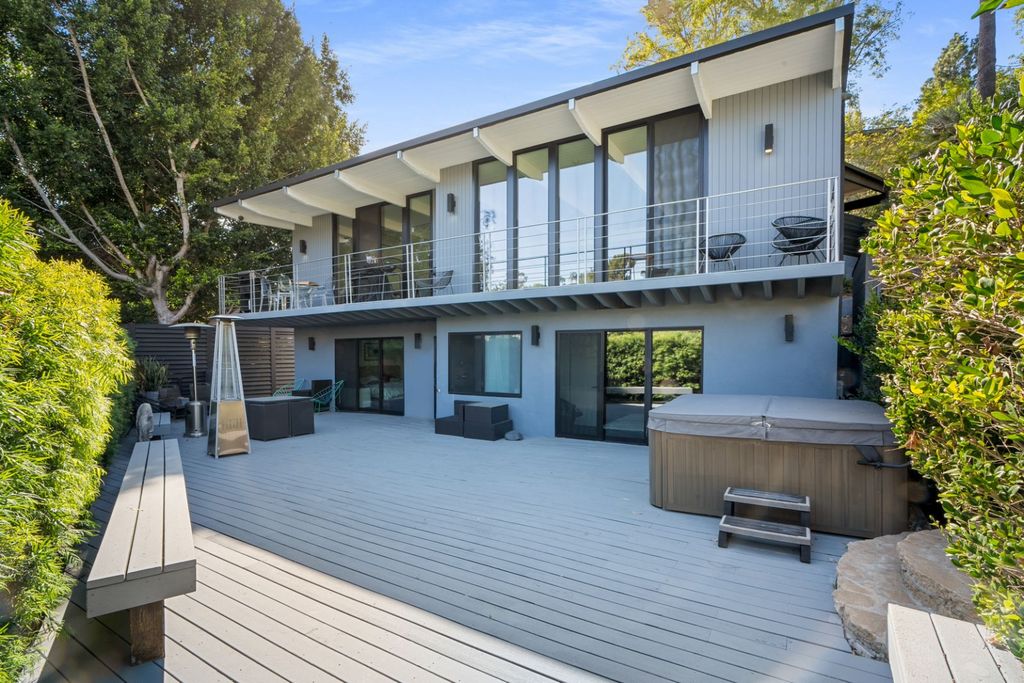
Large sliding glass doors connect the bedroom to a deck featuring a hot tub surrounded by mature landscaping. Inside, the room combines minimalist furnishings with built-in shelving and a cozy library nook anchored by a fireplace.
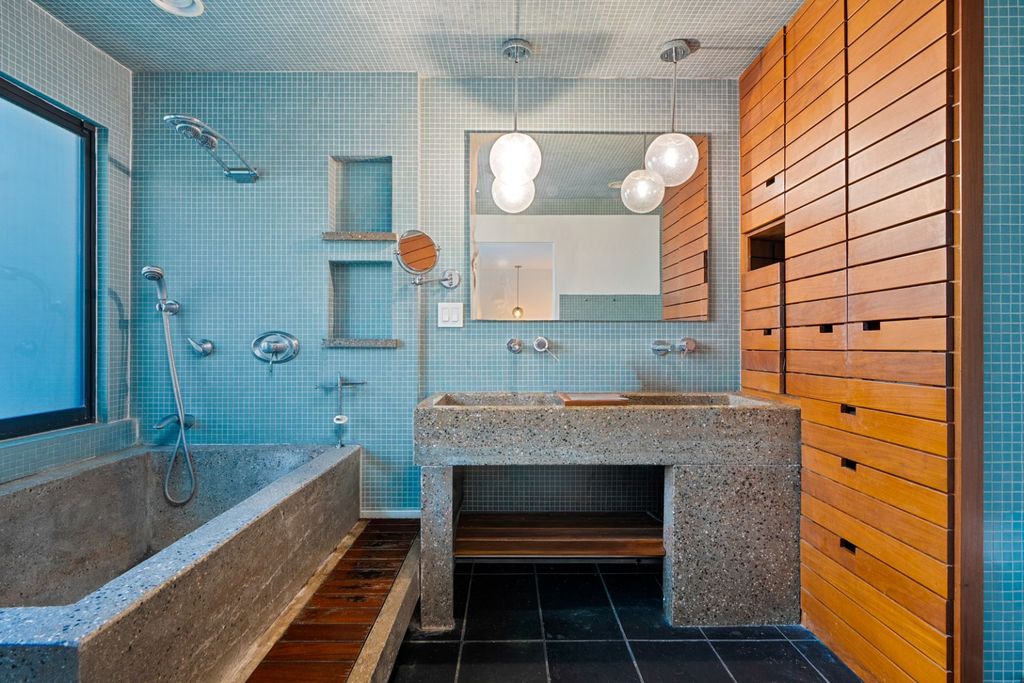
The accompanying bathroom introduces contemporary materials including terrazzo-inspired surfaces, floating vanities, warm wood cabinetry, and mosaic tile accents.
“Luxury today isn’t necessarily about excess,” Bruno told californialuxuryhouses. “Many buyers appreciate homes that offer thoughtful design, privacy, and a strong connection to nature. This residence delivers all three.”
Custom storage, integrated shelving, and carefully selected finishes further enhance the functionality of the suite while remaining consistent with the home’s original design language.
Outdoor Living in the Hollywood Dell
Southern California architecture has long emphasized outdoor living, and Gardner’s former residence embraces that philosophy throughout its grounds.
A large entertainment deck extends nearly the width of the home, providing multiple seating areas surrounded by mature trees and canyon views. Patio heaters and outdoor gathering spaces transform the area into a year-round extension of the interior.
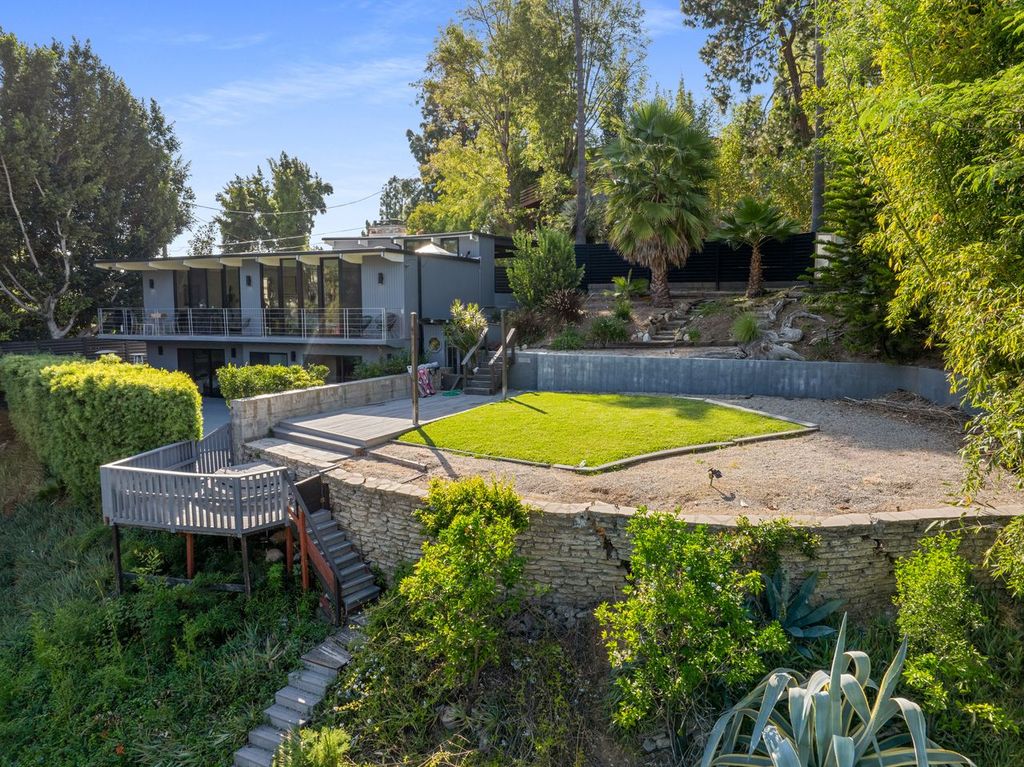
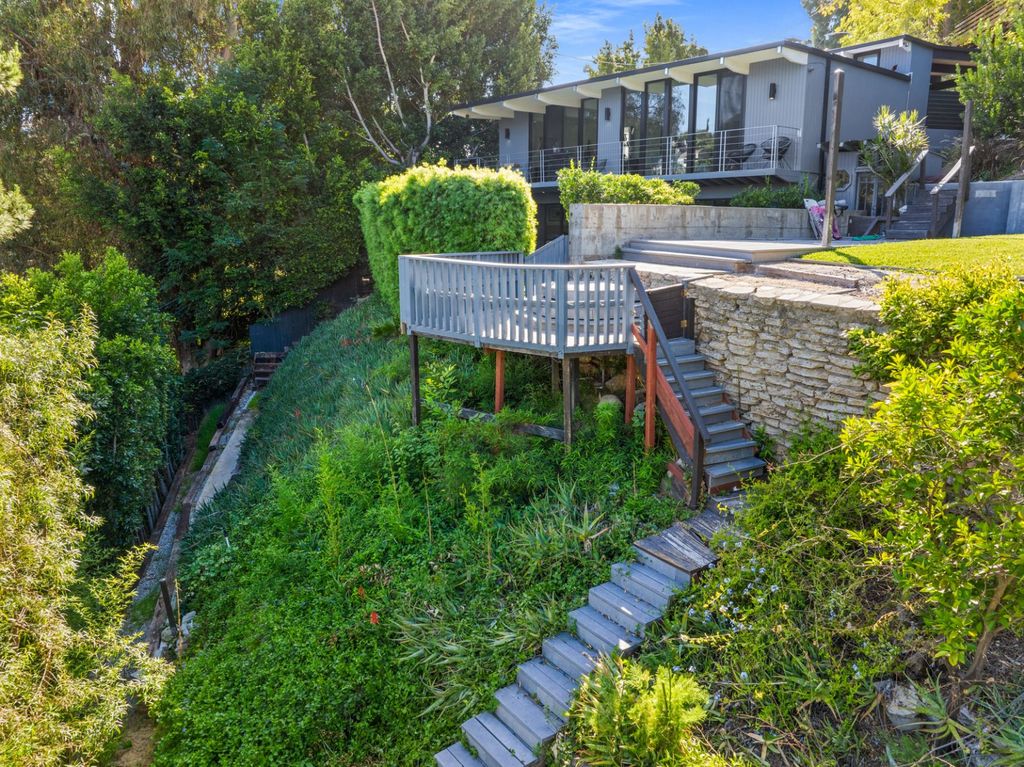
Beyond the deck, terraced landscaping unfolds across the hillside property.
Perhaps most notably, the offering includes a neighboring double lot, a rarity within the densely developed Hollywood Hills market.
The additional parcel provides both enhanced privacy and future flexibility, whether a buyer chooses to preserve the expanded grounds or explore long-term development opportunities.
According to marketing materials reviewed by californialuxuryhouses, the combined property creates a significantly larger footprint than many competing homes in the surrounding area.
A Coveted Los Angeles Location
Beyond its celebrity history and architectural significance, the property’s location remains a major draw.
Hollywood Dell residents enjoy convenient access to major employment centers including Downtown Los Angeles, Burbank’s media corridor, and Century City. Entertainment landmarks such as the Hollywood Bowl, Griffith Observatory, and Universal Studios are located just minutes away.
The neighborhood also offers proximity to acclaimed restaurants, boutique shopping destinations, hiking trails, and cultural attractions that continue to attract both local residents and international buyers.
As inventory remains limited for architecturally significant homes throughout Los Angeles, properties with documented Hollywood heritage often generate considerable interest among collectors and design enthusiasts.
“We’re seeing growing demand for homes that offer authenticity and historical relevance,” Bruno said to californialuxuryhouses. “This property isn’t simply a residence; it’s part of Los Angeles history.”
A Rare Opportunity to Own Hollywood History
More than six decades after its completion, Ava Gardner’s former home continues to embody the architectural ideals that helped define California modernism.
From its dramatic post-and-beam structure and canyon-facing glass walls to its celebrity provenance and coveted Hollywood Hills location, the residence offers a unique blend of design significance and cultural history.
For buyers seeking more than square footage alone, this Hollywood Dell property represents a rare chance to own a preserved chapter of both architectural and entertainment history.