

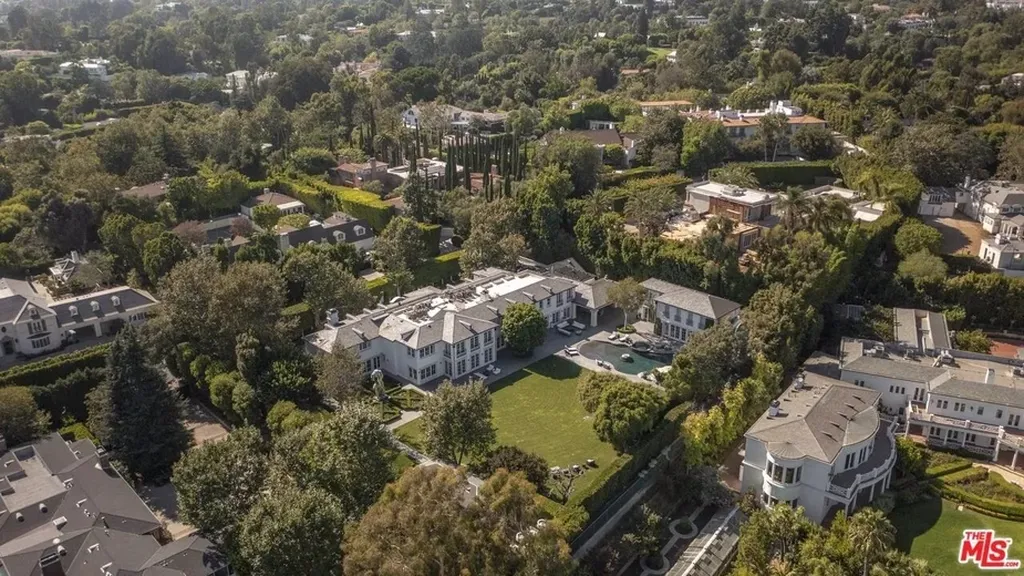
More than a year after first listing the property—and amid mounting legal troubles—Sean Combs, widely known as Diddy, has quietly pulled his sprawling Holmby Hills estate off the market.

Property records show that the Los Angeles mansion, which had been offered for $61.5 million, was officially delisted on December 24, just weeks after the rapper was sentenced to nearly four years in federal prison on prostitution-related convictions. The reason for the delisting remains unclear, and a spokesperson for Combs has not publicly commented on the decision.
A Listing Shadowed by Legal Turmoil
The estate was initially listed in September 2024, represented by celebrity real estate agent Kurt Rappaport, only days before Combs was arrested in New York on charges including sex trafficking, racketeering conspiracy, and transportation to engage in prostitution.
Although Combs pleaded not guilty to all charges—and was ultimately acquitted of the most serious allegations—he was convicted on two prostitution-related counts and sentenced to 50 months in prison, along with a $500,000 fine, the maximum allowable under federal guidelines. The presiding judge cited Combs’ “immense resources” as a factor in determining the penalty.
A Mansion Made Infamous
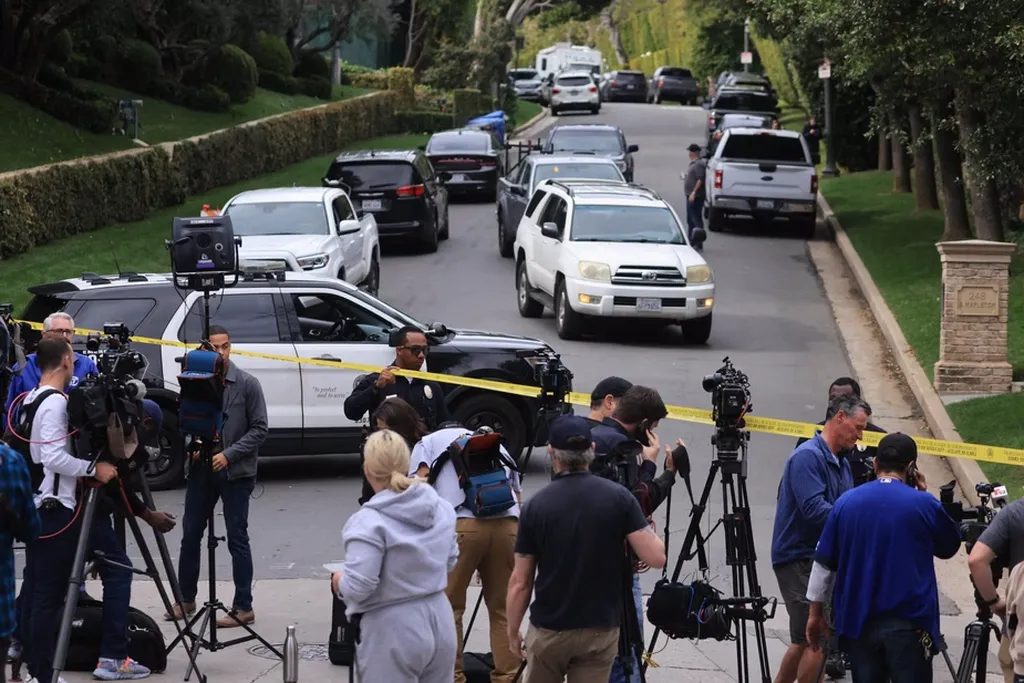
Combs’ 10-bedroom, 13-bathroom Holmby Hills residence—spanning approximately 17,000 square feet—gained worldwide notoriety in March 2024, when Homeland Security agents raided the property as part of a broader sex trafficking investigation. The home, along with Combs’ Miami estate, became central to prosecutors’ claims that the residences were used to host so-called “freak off” parties.
During the subsequent trial, jurors were shown photographs taken during the raids, which reportedly revealed weapons, narcotics, and other items alleged to be linked to illegal activity. Federal agents testified that firearms components, controlled substances, and various personal effects were seized from the property.
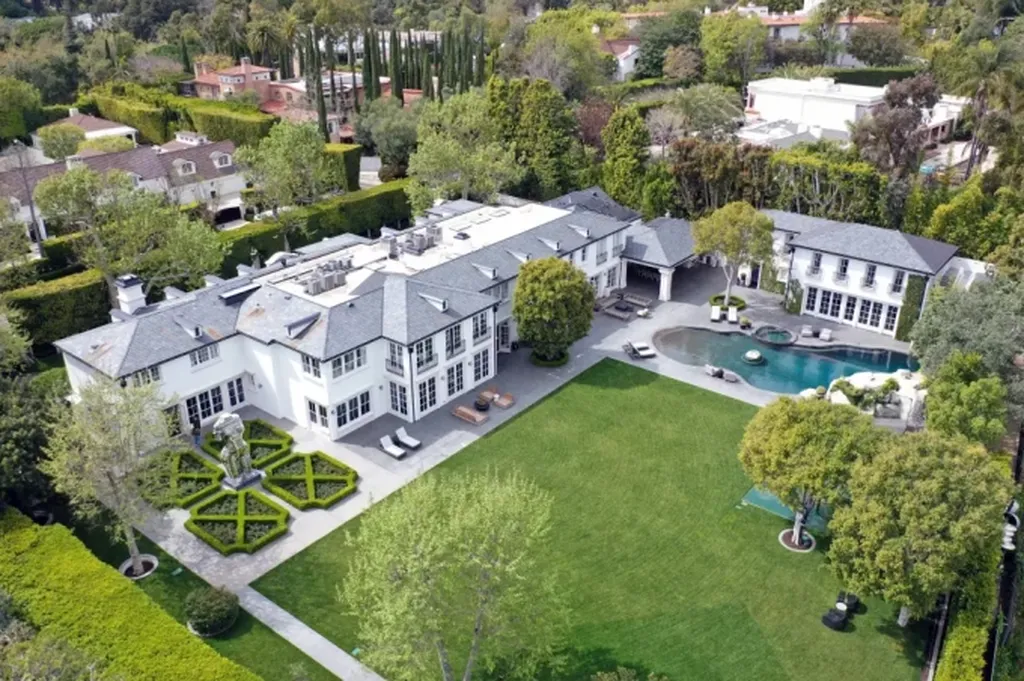
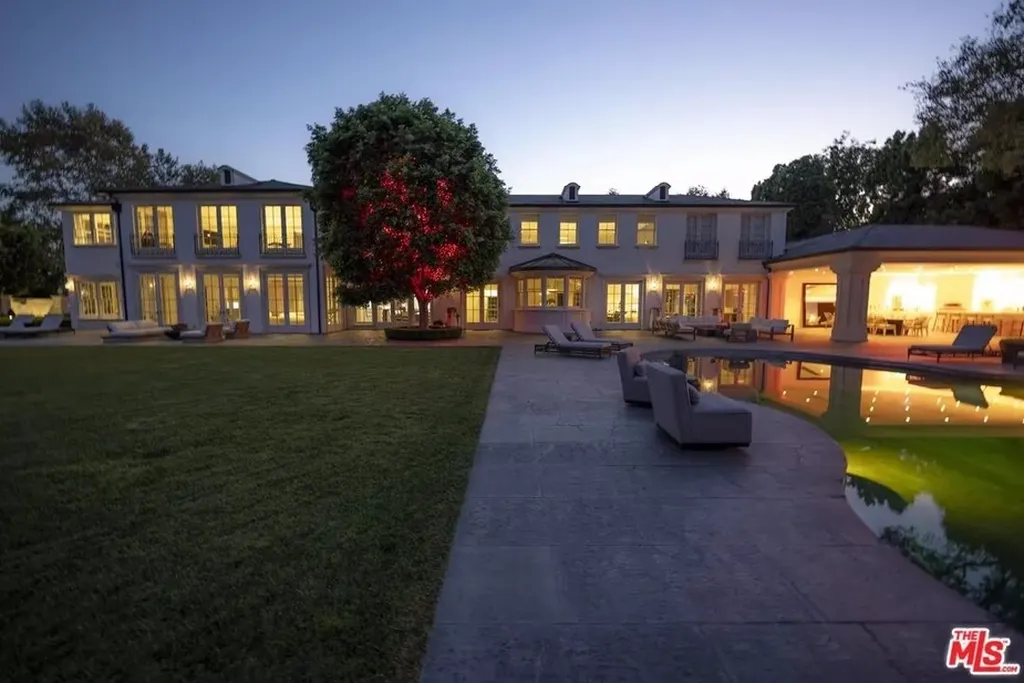
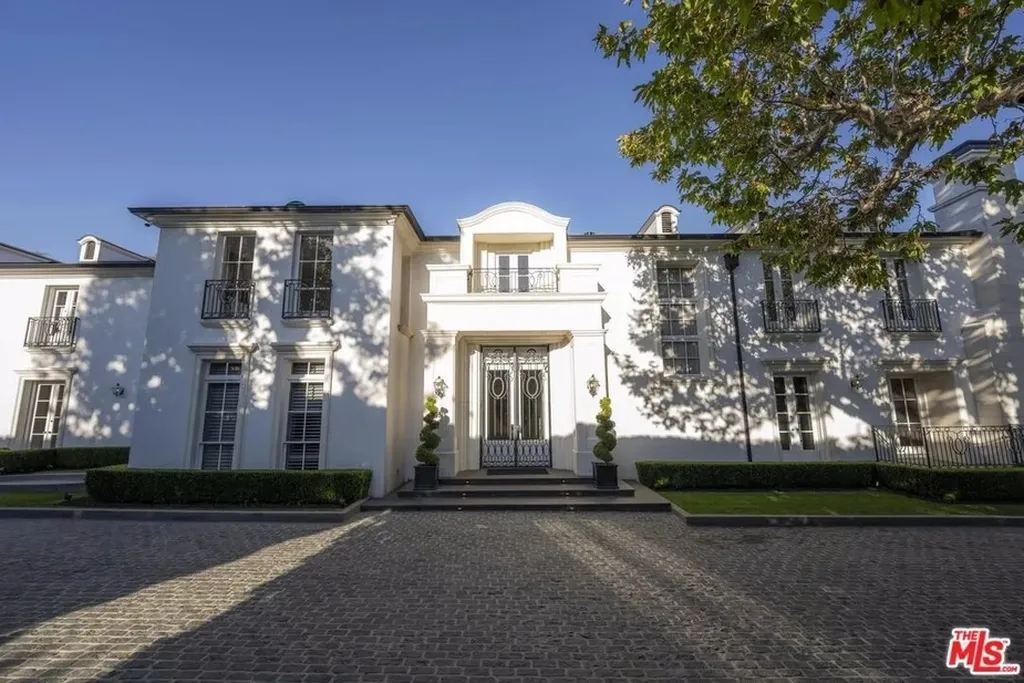
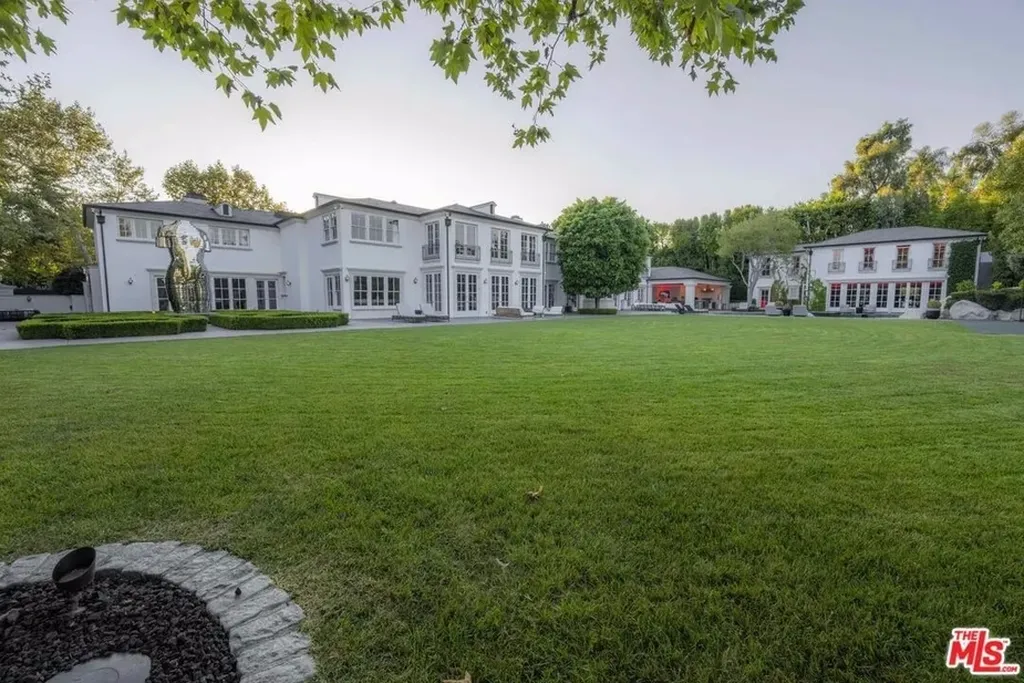
Despite its now-infamous history, the original listing made no reference to the investigation or raids. Instead, it described the estate as one of Holmby Hills’ “most spectacular and beautiful homes,” highlighting its grand scale, European-inspired architecture, and resort-style grounds.
Old-World Luxury Behind Gated Walls
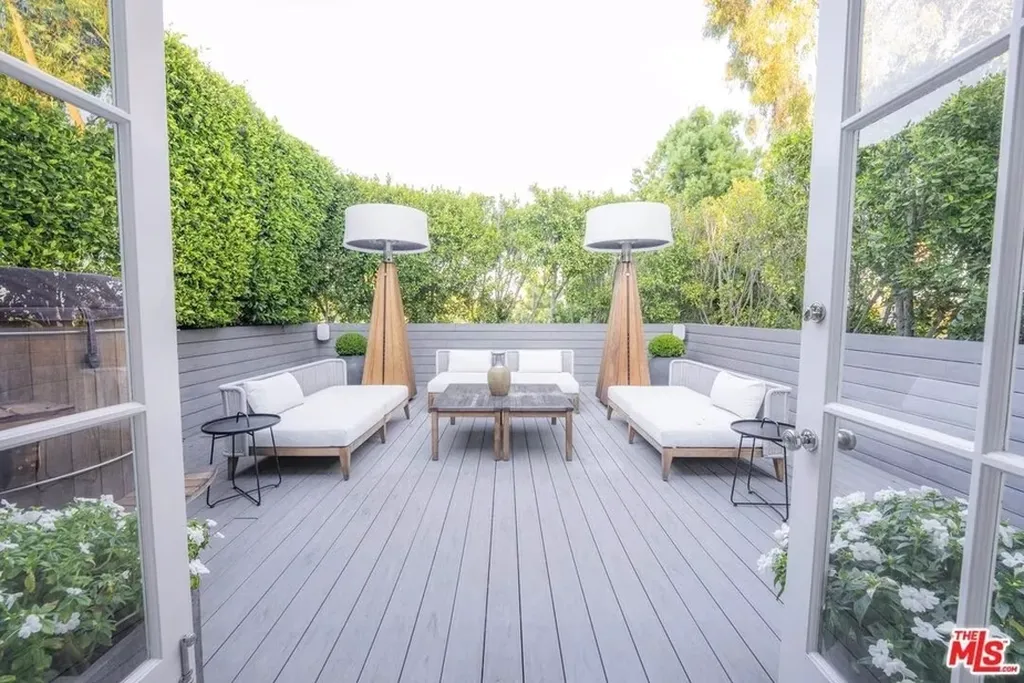
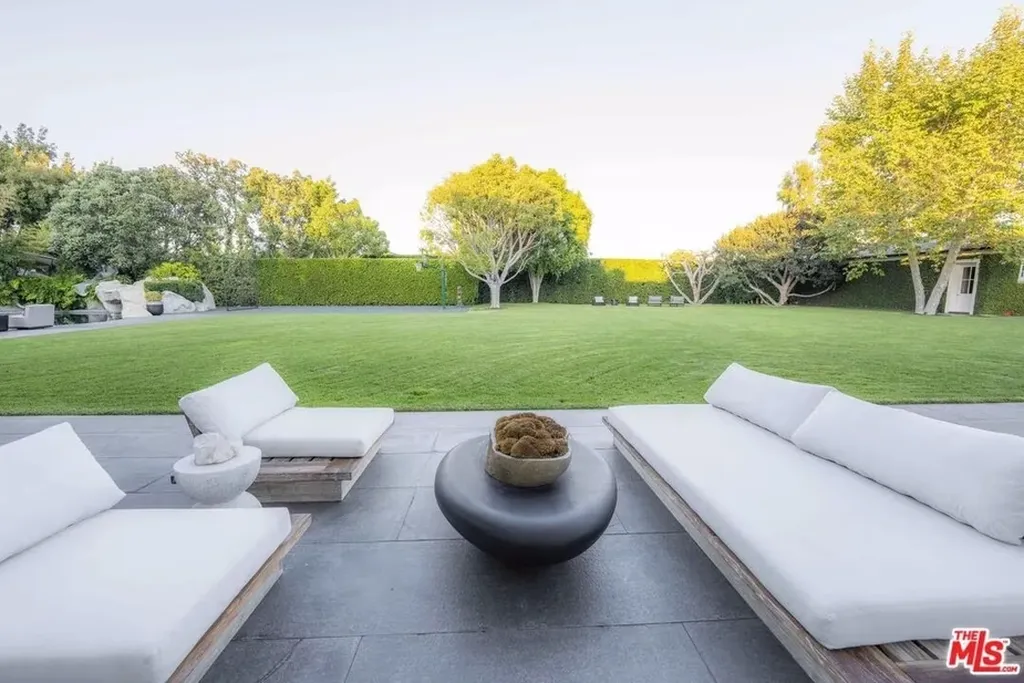
Built to impress, the estate features a long list of amenities, including a wine cellar, bar, library, gym, indoor sauna, and a private theater capable of seating 35 guests. Outdoors, manicured lawns and mature trees surround a resort-style pool complete with a waterfall and grotto, alongside a basketball court, spa house, and a covered loggia with a barbecue, bar, and pizza oven.
Combs purchased the property in 2014 for $39 million, long before it became a focal point of his legal troubles. Photos from the federal raid suggested that agents conducted an exhaustive search, reportedly removing electronics and opening safes inside the home.
What Comes Next for the Estate?
Legal experts previously told Realtor.com® that Combs is legally permitted to sell the property, even while incarcerated. However, any proceeds from a sale could be subject to court oversight, liens, or seizure, particularly in light of fines, restitution claims, and ongoing legal expenses.
Some analysts have suggested that the stigma surrounding the property—now closely associated with a high-profile criminal case—could make achieving the original $61.5 million asking price difficult. Others note that ultra-luxury homes with controversial histories often linger on the market or ultimately trade at a discount.
For now, with the listing withdrawn, the future of the Holmby Hills mansion remains uncertain. Whether Combs intends to relist, pursue a rental strategy, or hold the property as a long-term asset is unknown. What is clear is that the estate’s story—once defined by celebrity glamour—has become inseparable from one of the most sensational legal sagas in recent music-industry history.